
Digital Experience Design for Museums: Creating Memorable Visitor Journeys
How artificial intelligence and interactive tools transform passive observation into active learning.

The Audience Shift
Museums face a massive demographic shift in 2026. Young digital-native visitors process information through screens. They ignore static exhibits completely. They refuse to read small printed text cards. They expect interactive screens and instant information. Cultural spaces must adapt their physical buildings to survive. They achieve this transformation through modern digital experience design.
This discipline changes quiet rooms into active learning environments. It merges physical artifacts with interactive museum design. Visitors engage with historical facts directly and actively. The traditional museum model fails to hold human attention today. A modern museum must compete with high-speed digital entertainment.
The Phygital Integration
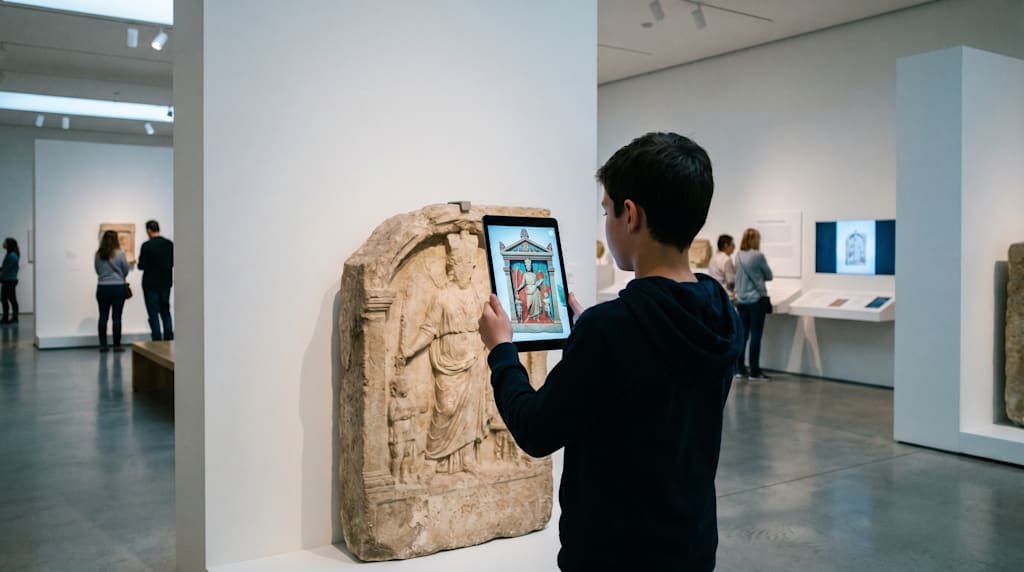
Curators previously placed ancient objects behind thick glass. Visitors stared at the objects passively. Modern institutions build immersive experience centers instead. They use a clear experience design strategy to build "phygital" spaces. This approach combines physical items with digital screens effectively. A visitor points a tablet computer at an ancient ruined wall. The tablet screen displays a 3D digital twin of the original wall. It shows the wall fully painted and restored. The AI-powered design reconstructs missing stone pieces instantly. Visitors see exactly how the building looked thousands of years ago. The tablet displays a digital fire burning in the physical fireplace. This visual context explains daily ancient life clearly. Physical objects gain massive value through this digital context.
Smart Audio and Conversational Guides
Standard audio tours force visitors to press buttons manually. They punch numbers into a plastic device. Modern museums use location-aware audio and spatial computing instead. The visitor wears wireless headphones. The mobile application tracks the visitor's location precisely inside the building. When the visitor walks near a specific painting, the audio plays automatically. It describes the painting accurately. The audio stops when the visitor walks away. The museum also provides conversational guides. The visitor speaks directly into their smartphone microphone. They ask a question about the artist. The AI experience design processes the spoken question quickly. The digital guide speaks the factual answer back into the headphones. The visitor controls the pace of their own tour completely. They ask follow-up questions easily.
Personalization and Accessibility
Every human visitor has different educational needs. A child requires simple vocabulary and games. An adult historian requires complex technical data. Museums solve this problem using AI-powered personalization. The visitor selects their age and interests on a mobile application. The software builds a custom tour instantly. It highlights specific exhibits matching those specific interests. The software ignores exhibits outside the user's selected interests. This technology also ensures high accessibility and inclusivity. The software translates text into fifty languages instantly. It reads exhibit descriptions aloud for visually impaired visitors. It provides closed captions for hearing-impaired visitors. These AI-powered digital experience solutions make education available to everyone. No visitor feels excluded from the learning process.
The Technical Backbone
These interactive features require a unified digital backbone. A museum connects its ticketing system directly to its exhibit displays. The museum application updates visitors about crowded rooms. It routes them to empty galleries automatically. This prevents long lines and visitor frustration. Directors also use data-driven curation. The software tracks which exhibits hold human attention the longest. It tracks foot traffic patterns through the building. Directors use this data to plan future exhibits. They spend money on topics that visitors actually enjoy. They remove exhibits that visitors ignore completely. Setting up this complex infrastructure requires specific technical skills. Museums hire experts for digital experience consulting and services. They cannot build these massive cloud architectures internally. The cloud servers must handle thousands of users simultaneously.
Finding the Right Partner
Museum staff study history and preserve fragile artifacts. They do not write complex software code. They partner with external engineering firms to build these digital platforms. Companies like ViitorCloud are helping businesses solve this problem. As a digital experience consulting company, they build secure software architecture. They train the artificial intelligence models safely. They test the mobile applications thoroughly. They ensure the hardware runs smoothly for thousands of daily visitors. The external engineers manage the technical infrastructure entirely. The internal museum staff focuses on historical accuracy and visitor safety. This clear division of labor guarantees a highly successful digital project. Museums save money by hiring specialized external engineers.
The Human Impact
Technology makes cultural spaces highly relevant again. It removes physical barriers between people and historical facts. The Smithsonian Institution reports that digital tools expand educational reach significantly. Visitors learn faster through active visual interaction. A child remembers a 3D hologram clearly. They forget a printed paragraph quickly. Hybrid experiences increase visitor dwell time. Visitors stay inside the building for several hours. They make the museum visit exciting and memorable. The technology supports the physical artifact. It tells the story behind the object visually. This creates a deep emotional connection for the visitor. The visitor understands the human history behind the object. It ensures history remains alive and interesting for future generations. Digital design protects human heritage perfectly.
About the Creator
ViitorCloud Technologies
As a leading software development company, we’ve empowered 500+ startups, SMBs, and enterprises to transform their operations. Upgrade your business with our AI-First Software and Platforms that automate and scale, keeping you future-ready.
Enjoyed the story? Support the Creator.
Subscribe for free to receive all their stories in your feed.
Comments
There are no comments for this story
Be the first to respond and start the conversation.