
Customizing a 60Ton Overhead Crane for Specific Industrial Needs
Tailoring Heavy-Lifting Solutions: Adapting 60 Ton Overhead Cranes to Meet Unique Industrial Demands

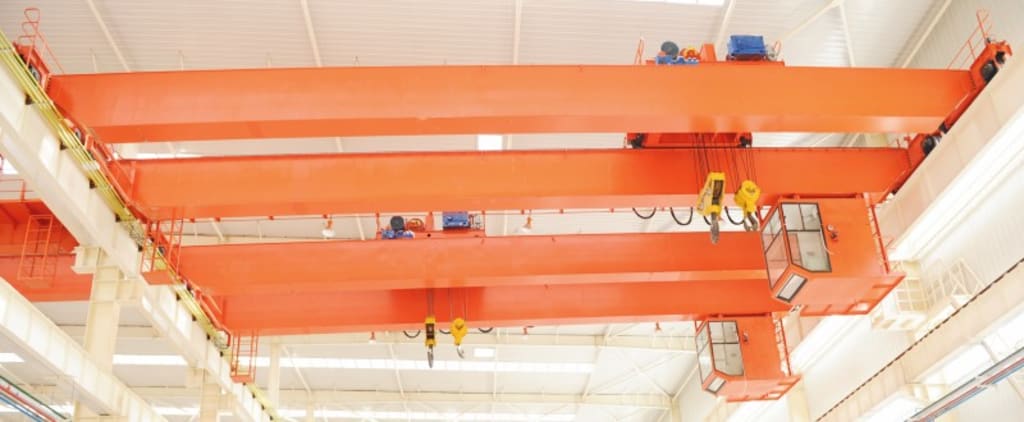
In the world of industrial operations, overhead cranes play a crucial role in handling heavy loads, streamlining processes, and enhancing productivity. A 60 ton overhead crane is a powerful piece of equipment that can meet a wide range of heavy lifting requirements across various industries, including manufacturing, construction, shipping, and mining. However, to fully leverage the capabilities of a 60 ton overhead crane, it is essential to customize it according to the specific needs of the industry in which it will be used. This article explores the importance of customization, the factors to consider, and the steps involved in tailoring a 60 ton overhead crane to meet unique industrial demands.
The Importance of Customization
While standard overhead cranes come with a set of features designed to accommodate general lifting tasks, industrial operations often require specialized equipment that can handle unique challenges. Customization allows a 60 ton overhead crane to be adapted to the specific requirements of a particular industry, enhancing its efficiency, safety, and reliability. Whether it’s adjusting the crane’s span, modifying its lifting speed, or integrating advanced control systems, customization ensures that the crane can perform optimally in its intended environment.
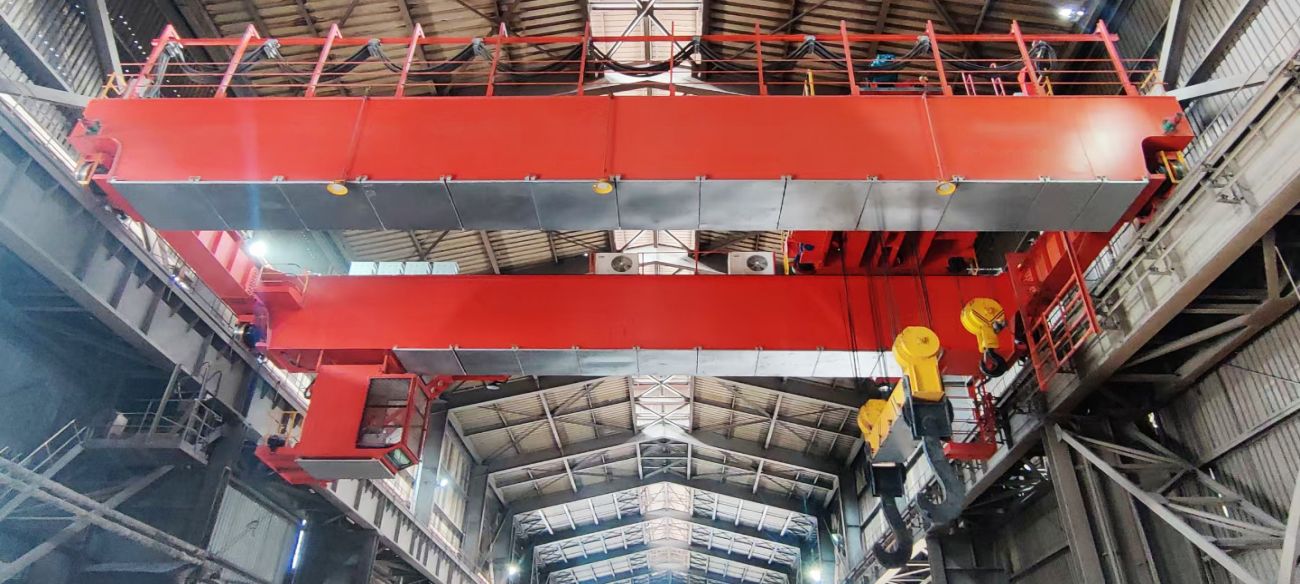
Factors to Consider in Customizing a 60-Ton Overhead Crane
When customizing a 60 ton overhead crane, several key factors must be taken into account to ensure that the crane meets the specific needs of the operation. These factors include:
Operational Environment
The environment in which the crane will operate significantly influences its design and customization. For example, a crane used in a steel mill will need to withstand high temperatures, while one used in a chemical plant may require corrosion-resistant materials. Understanding the operational environment helps in selecting the right materials, coatings, and protective features to ensure the crane's longevity and performance.
Load Characteristics
The type and nature of the loads to be lifted are critical considerations. A 60 ton overhead crane might need to lift bulky, unevenly distributed loads, or it might handle delicate items that require precise control. Customizing the crane’s lifting mechanism, such as the type of hoist, the lifting speed, and the load distribution system, ensures that it can safely and efficiently handle the specific load characteristics.
Span and Lifting Height
The span (the distance between the runway rails) and the lifting height (the maximum vertical distance the hook can travel) are crucial dimensions that need to be tailored to the specific layout of the facility. A crane with an inappropriate span or lifting height can lead to operational inefficiencies or even safety hazards. Customizing these dimensions ensures that the crane can move freely and operate effectively within the available space.
Control Systems
The control system is the interface through which operators manage the crane's movements. Depending on the complexity of the operation, a 60 ton overhead crane might require a basic pendant control, a more sophisticated radio remote control, or even an automated control system integrated with the facility's workflow. Customizing the control system to match the operational requirements can significantly enhance productivity and reduce the risk of human error.
Safety Features
Safety is paramount in any industrial operation, especially when dealing with heavy loads. Customizing the safety features of a 60 ton overhead crane, such as overload protection, anti-collision systems, emergency stop functions, and fail-safe brakes, is essential to protect both the equipment and the personnel. The specific safety requirements will vary depending on the industry and the nature of the tasks performed by the crane.
Maintenance and Accessibility
Customization should also take into account the ease of maintenance and accessibility of the crane. Features such as walkways, platforms, and easy access to critical components can simplify routine inspections and repairs, minimizing downtime and extending the crane’s operational life.
Aicrane is professional in designing and manufacturing overhead cranes including light duty and heavy duty cranes, if you would like to know how Aicrane company customize the heavy duty 60 ton overhead crane, you can read on to know details.
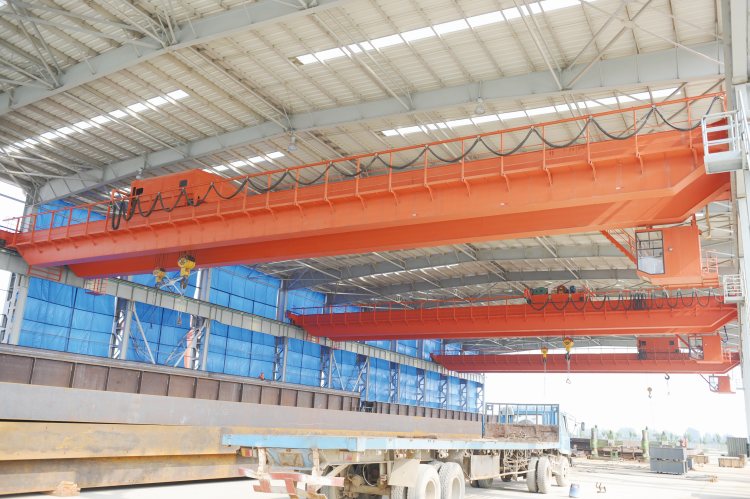
Steps in Customizing a 60 Ton Overhead Crane
Customizing a 60 ton overhead crane involves a systematic approach that begins with understanding the specific needs of the operation and ends with the successful integration of the crane into the facility. The following steps outline the customization process:
Needs Assessment
The first step in customizing a 60 ton overhead crane is to conduct a thorough needs assessment. This involves working closely with the stakeholders, including engineers, operators, and safety personnel, to understand the operational requirements, environmental conditions, and any unique challenges. This assessment forms the foundation for the customization process, ensuring that all relevant factors are considered.
Design and Engineering
Once the needs are clearly defined, the next step is to translate them into a customized design. Engineers will work on modifying the standard crane design to incorporate the specific features and dimensions required. This may involve adjusting the span, lifting height, and load capacity, as well as selecting the appropriate materials and components. Advanced engineering software and simulation tools can be used to model the customized crane and predict its performance in the intended environment.
Component Selection
Customizing a 60 ton overhead crane also involves selecting the right components, such as hoists, motors, control systems, and safety devices. These components must be chosen based on their compatibility with the customized design and their ability to meet the operational demands. For example, a crane used in a high-speed production environment may require a high-performance motor and a rapid response control system, while a crane in a hazardous environment may need explosion-proof components.
Fabrication and Assembly
After the design and component selection are finalized, the next step is the fabrication and assembly of the customized crane. This process is typically carried out by specialized manufacturers with the expertise and facilities to produce high-quality, customized cranes. During this phase, quality control measures are essential to ensure that the crane meets the specified design parameters and performs reliably.
Installation and Testing
Once the crane is fabricated, it is installed in the facility according to the customized specifications. Installation involves setting up the runway rails, assembling the crane, and integrating it with the existing infrastructure. After installation, thorough testing is conducted to verify that the crane operates correctly and safely under the intended conditions. Any issues identified during testing are addressed before the crane is put into regular operation.
Training and Commissioning
The final step in the customization process is the training of operators and the commissioning of the crane. Operators need to be trained on the specific features and controls of the customized crane to ensure safe and efficient operation. Commissioning involves a final inspection and handover, during which the crane is officially certified for use.
Customizing a 60-ton overhead crane is a complex but essential process that ensures the crane meets the specific needs of the industry in which it will be used. By carefully considering factors such as the operational environment, load characteristics, and safety requirements, and by following a systematic customization process, businesses can optimize their investment in overhead cranes. The result is a highly efficient, safe, and reliable piece of equipment that enhances productivity and supports the unique demands of the operation.
About the Creator
Aicrane Group
Aicrane is a professional fabrication and trade integration enterprise in Overhead Crane, Gantry Crane, Rubber Tire Gantry Crane, Boat Lift, Steel Structure Workshop, Construction Winch, Marine Winch,etc.
Enjoyed the story? Support the Creator.
Subscribe for free to receive all their stories in your feed.
Comments