
Custom Polo Shirts With Logo: Why Embroidery Offers a More Refined Look Than Prints
Branded Custom Polo Shirts – Stylish, Professional, and Personalized with Your Logo
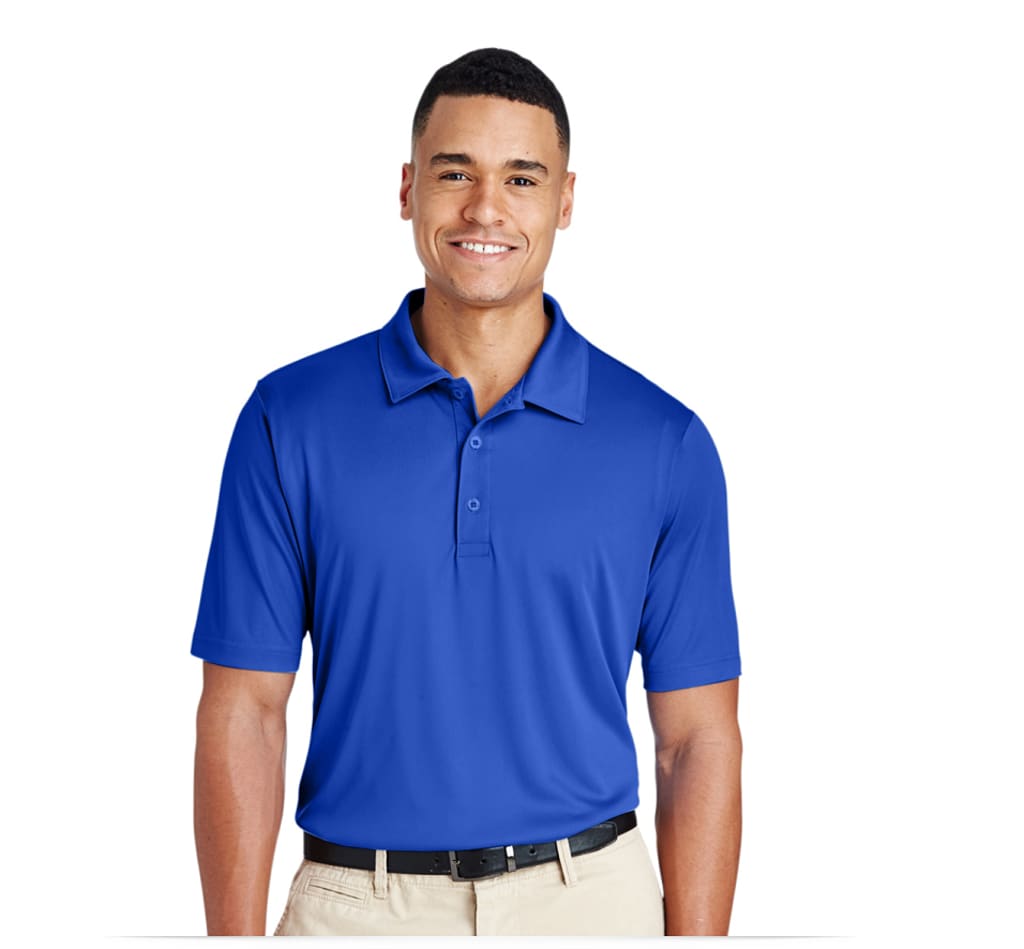
Upon adding a logo, a blank canvas transforms into a powerful statement of a brand when placed on a polo shirt. But not all different styles of branding leave the same impression. In a sense, a finely embroidered logo, with its threads sewn right into the fabric, looks rich and stands the test of time. Now, compare that with a printed logo, which may fade, crack, or peel off over the years. Which one really conveys a picture of a statement that could last for long? Custom polo shirts with logos are just like walking billboards since they instinctively merge style with brand identity.
Embroidery vs. Printing: A Comparative Analysis
Choosing between embroidered polo shirts or printed ones is one of those decisions that you cannot take lightly. Both these methods have their advantages; however, having information about them will empower you to choose the ideal custom polo shirts with logos. Let us look into the key points of embroidery vs. printing.
Visual Appeal
Aesthetics are almost always an indispensable determinant for making the right decision about the custom polo shirts with the logo of your choice. Embroidery delivers textures, depth, and sophistication to the design. Customizing your Custom Polo Shirts With Logo is an excellent way to make it stand out and you can do it easily with AllStar Logo. With embroidered logos, the raised threads create a rich, tactile, and elegant appearance that brings about the professional finish you want.
The vast platter of colors for printing and its ability to make detailed designs bait a large number of clients. Print designs are mostly flashy and bold. However, they often come off as flat and lifeless. A design that requires such visual pizzazz in such documentation should always have great print because, with great printing techniques, all design ideas that require so many colors and intricate details don't work very well with embroidery.
Durability
Embroidery is most certainly better than printing when it comes to durability. Simply because the threads used in embroidery are actually sewn into the fabric, the design will hold for years. It is also resistant to fading, peeling, and cracking after repetitive washes.
On the flip side, prints are prone to fading due to frequent washing, wearing, or exposure to harsh conditions. Heat transfers and screen printing will not retain vibrancy and will start to crack after several uses; that said, embroidery is great if you are looking for a design that will stand the test of time.
Design Complexity
Embroidery logos or designs that must be simple and clean with limited colored hues will fall well. Certainly, some designs may be too sophisticated to embroider with a perfect result. Details such as small text or very thin lines might look smudgy or undistinguishable by stitching, so dearly embroidery isn't a faithful romance of complex artwork.
Photos and logos that are multi-colored or have minute details may be better suited to printing. Digital printing or screen printing allows you to reproduce complex designs without quality loss accurately. This is where printing makes a better choice for logos with gradients, minor text, or intricate graphics.
Cost Comparison
Affordability is a key consideration when making decisions. Generally, embroidery materials are costlier than prints, as they are labor-intensive. The price usually goes up with the complexity of the design because it requires more time and effort to execute.
In contrast, printing is the cheaper option, especially for a bulk order. Printing can reduce the overall cost per shirt on a larger order, thereby making it very plausible to companies with limited budgets or to outfits needing to clothe large teams. However, printing might be cheaper in hiring, but it might need to be replaced frequently because of its low durability..
Fabric Compatibility
Similar to their normally stiff and sugar-coated types of textiles, solely from the logo embroidery point of view, embroidery is far preferable on thicker textiles such as pique cotton, frequently mainly used in the crafting of polo shirts, to these types of polo shirts with thinner fabrics. This is very good for a fabric with an embroidery rear pull-out effect for a tidy and polished accomplishment of elegance.
Behind all this room is printing in some dazzling shade selections, but it is better suited with lighter fabrics such as polyester or cotton blend, which yield a nice smooth surface for high-quality printing. Certain printing techniques, e.g., screen printing, cannot perform well on thicker fabrics. Always consider the fabric type before deciding on the method.
Comfort
Custom polo shirts with logos can be designed depending on various materials to maintain their relaxed fit. Depending on the style used, either embroidery or print can affect the feel of the garment differently. For instance, with embroidery, a bit of weight is added, especially if it is a large design with a lot of stitches. The shirt breathes less when warm during use. So, one has to be careful in choosing the embroidery option for custom shirts.
On the other hand, printing will add a minute weight to the fabric for a light, soft feel. It will go right on the surface without distorting the fabric, which will remain breathable and comfortable. If your goal is a light summer shirt or one for a casual environment, the most suitable choice is printing.
The Perceived Value
The method chosen to embellish your custom polo shirts with logos can directly impact how your brand is perceived. Embroidery is your go-to method if you are cultivating a perception of premium quality, luxury, and sophistication for your brand. An embroidered logo creates an image of an established, professional, and high-end brand in the minds of the customers or clients who see it.
Although printed logos are still useful, they are rather taken in the spirit of being casual or less durable. In aiming to represent a more casual or budget-friendly image, prints can still be a good choice. That said, for a brand that wants to cater to the premium or luxury clientele, one of the embroidery's sleek appearance and longevity will generally suit better.
Speed of Production
If custom polo shirts with logos need to be produced quickly, printing might be a better alternative owing to its faster production time. Screen printing and digital printing are relatively fast processes, especially when large numbers are required. With these processes, the shirts needed can be produced in a shorter time frame.
Embroidery has very high-quality results, but it is usually a bit more time-intensive work, especially for complicated designs or very large quantities. This is a time-consuming process, since the stitching process will take time, and there is a setting up time for the embroidery machines, making the total production time longer.
Personalization
In terms of personalized branding experiences, both embroidery and printing unearth infinitely different levels of personalization. Embroidery can add a touch of elegance and individuality to every logo custom polo shirt. An embroidered company logo, a team name, or a custom message creates an appearance that is simply one of a kind.
Meanwhile, printing too can offer very high levels of customization, especially when it concerns multi-color logos, intricate designs, or images. Digital printing techniques allow an artist to include photographs or fine work on Polo shirts that would not be possible with embroidery.
Conclusion
Regarding Custom Polo Shirts With Logo embroidery, the embroidery itself is superior, refined, durable, and professional. Sturdiness, texture, and sheen, all of which elevate a brand image, are the watchwords when one speaks of embroidery since one is strengthened by the assurance of the logo remaining vivid and clear. This is the best option for companies intent on using custom polo shirts to portray class, craftsmanship, and professionalism.
About the Creator
Enjoyed the story? Support the Creator.
Subscribe for free to receive all their stories in your feed.
Comments
There are no comments for this story
Be the first to respond and start the conversation.