
Choosing the Right TV Stand: Balancing Style, Storage and Everyday Living
How furniture size, materials and storage design can influence the comfort and organisation of a modern living room.

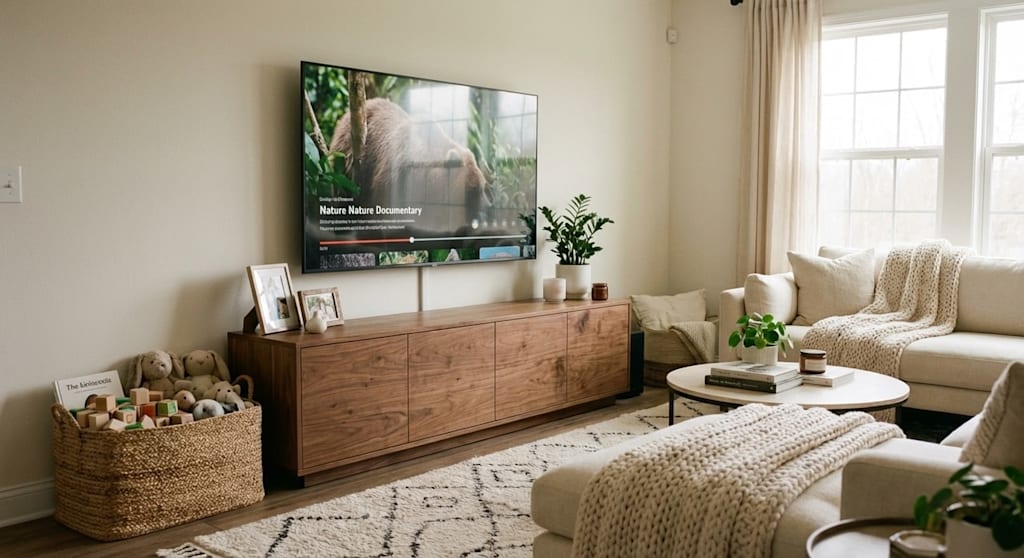
The television is often one of the main focal points of a living room, but the furniture surrounding it can be just as important. A suitable TV stand provides a stable surface for the screen, creates additional storage and helps maintain an organised living environment. With different sizes, materials and designs available, choosing the right unit involves more than simply finding a piece that matches the existing décor.
From a simple oak TV stand to a large TV cabinet or a full entertainment unit, each option serves a different purpose. Understanding these differences can help households make practical furniture decisions based on their available space, viewing habits and storage requirements.
The Role of a TV Stand in Modern Homes
Living rooms often serve several purposes. They may be used for watching television, entertaining guests, spending time with family or enjoying hobbies. As a result, furniture needs to accommodate different activities without making the room feel crowded.
A TV stand provides a designated place for the television and related equipment. Depending on its design, it can also hold streaming devices, gaming consoles, remote controls, books and decorative objects. Keeping these items together reduces clutter and makes everyday entertainment easier to manage.
The size and shape of the unit also influence the room's overall appearance. A low, wide stand can create a balanced arrangement beneath a large screen, while a compact design may be more suitable for a bedroom or a smaller living area.
Why Oak Remains a Popular Furniture Material
Wood continues to feature prominently in home interiors because of its natural texture and ability to complement different decorating styles. Oak, in particular, has a distinctive grain pattern and a range of tones, from pale natural finishes to deeper brown shades.
An oak TV stand can work well in traditional interiors, where wooden furniture creates a warm atmosphere. It can also suit contemporary spaces when paired with clean lines, neutral walls and simple accessories.
However, not every oak-finish product is constructed in the same way. Solid oak furniture is made from oak timber, while oak veneer consists of a thin layer of oak applied to another material. Some furniture also uses decorative finishes designed to resemble natural wood.
These distinctions matter because construction, finish and maintenance requirements can vary. Checking the material description before making a decision provides a clearer understanding of what to expect from the furniture.
When a Large TV Cabinet Makes Sense
A large TV cabinet can be useful in households with bigger screens or several entertainment devices. Its wider surface provides room for the television and potentially a soundbar, while enclosed compartments can help keep accessories out of sight.
This type of furniture can also establish a visual centre in a spacious living room. In open-plan homes, a substantial cabinet may help define the entertainment area without requiring additional partitions.
Nevertheless, a larger unit is not automatically the better choice. Furniture that occupies too much wall space can restrict movement and make a room feel crowded. Measuring the available area, including nearby doors and walkways, is therefore an important first step.
It is also worth considering the television's actual width rather than relying exclusively on its advertised diagonal screen measurement. A stand that extends beyond the screen on both sides often creates a more balanced appearance, provided it fits comfortably within the room.
Understanding the Entertainment Unit
An entertainment unit generally offers a combination of display space and storage for equipment associated with television and media use. Depending on the design, it may include open shelves, drawers, cupboards or dedicated spaces for electronic devices.
Open shelving provides convenient access to consoles, receivers and other equipment. However, these shelves can leave cables and accessories visible. Closed cabinets provide a neater appearance but may require careful consideration of ventilation, cable access and remote-control signals.
For households that use several devices, cable management deserves particular attention. Rear openings and sufficient space behind equipment can make connections easier to organise and reduce the appearance of tangled wires.
An entertainment unit should also accommodate the equipment that people actually use. Selecting a complicated storage arrangement when only a television and streaming device are required may introduce unnecessary bulk.
Choosing Furniture for Smaller Living Rooms
Smaller rooms require a different approach to furniture selection. A compact TV stand with a simple structure can preserve valuable floor space while providing the essential support and storage needed for everyday use.
Raised legs may create a lighter visual appearance by exposing more of the floor beneath the furniture. Wall-mounted shelves can provide additional storage without adding another large piece to the room.
Colour can influence how the furniture interacts with its surroundings. Lighter oak finishes may complement pale walls and natural lighting, while darker finishes can create contrast against lighter backgrounds.
It is equally important to maintain comfortable walking routes. A unit should not obstruct doorways, restrict access to other furniture or force people to move awkwardly around the seating area.
Matching the Unit to the Interior
A television unit does not need to match every other piece of furniture exactly. In many interiors, combining complementary materials and colours creates a more natural result than using identical finishes throughout the room.
Oak furniture can sit comfortably alongside neutral upholstery, textured rugs and understated metal accessories. Darker wooden finishes may work with deeper wall colours, while lighter timber can complement brighter and more minimal spaces.
The key is to consider the overall balance of the room. If the television and cabinet already create a strong visual feature, keeping nearby decorations simple may prevent the area from feeling overcrowded.
Storage also contributes to the appearance of the finished space. Drawers and cupboards can conceal everyday objects, while a few carefully selected items on open shelves can add character without creating unnecessary clutter.
Safety, Maintenance and Long-Term Use
Practical considerations should remain central to furniture selection. The unit must support the television's weight and dimensions, and its construction should be suitable for the intended use.
Where appropriate, securing furniture to the wall can reduce the risk of tipping, particularly in homes with children. Electronic equipment should have adequate ventilation, and cables should be arranged to minimise trip hazards.
Maintenance requirements depend on the materials and surface finish. Wooden furniture generally benefits from regular dusting and prompt attention to spills. Harsh cleaning products should be avoided unless the manufacturer's care instructions specifically permit them.
Before assembling or positioning a unit, it is also sensible to review its dimensions, assembly requirements and any recommended wall-fixing arrangements.
Making a Practical Choice
Choosing between an oak TV stand, a large TV cabinet and an entertainment unit ultimately depends on how the living space is used. A straightforward stand may be sufficient for a minimal setup, while a cabinet can provide more concealed storage. A larger entertainment unit may suit households with several devices and additional media accessories.
The most useful approach is to measure the room, identify the equipment that needs to be accommodated and consider how the furniture will fit with existing décor. Material quality, stability, ventilation and ease of maintenance should be considered alongside appearance.
Ultimately, good furniture selection is about finding a sensible balance between function and design. A well-proportioned TV unit can support everyday activities, reduce visual clutter and contribute to a comfortable living environment without overwhelming the space.
About the Creator
Enjoyed the story? Support the Creator.
Subscribe for free to receive all their stories in your feed.
Comments
There are no comments for this story
Be the first to respond and start the conversation.