
Choosing the Right Engine Oil: A Comprehensive Look at Automotive Lubricants
Understanding the Best Automotive Lubricants for Your Vehicle
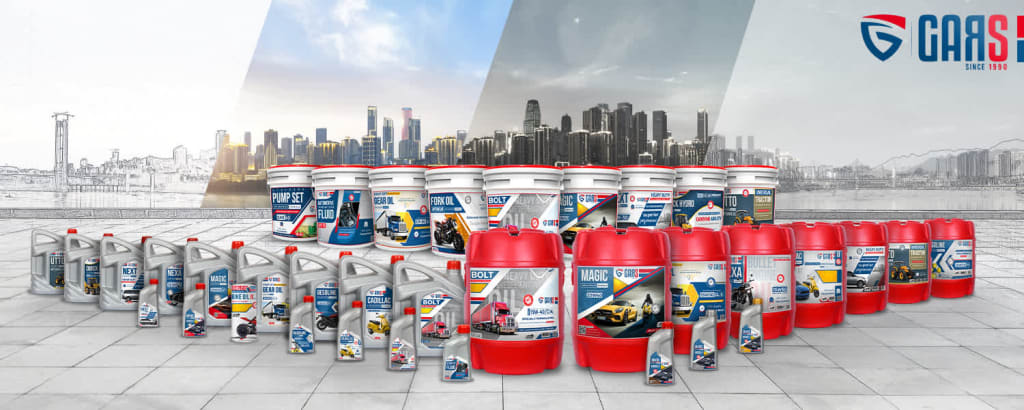
Understanding the Best Automotive Lubricants for Your Vehicle
Maintaining your vehicle’s health is more than just routine checkups and cleanings. One of the most critical aspects of vehicle care is using the right lubricants, which serve as the lifeblood for various components, ensuring smooth operation and longevity. However, with the overwhelming number of products in the market, selecting the best automotive lubricants for your vehicle can be daunting. In this article, we'll break down the importance of automotive lubricants, explore the different types, and offer guidance on how to choose the most suitable options for your vehicle.
What Are Automotive Lubricants?
Automotive lubricants are essential fluids that reduce friction between moving parts of a vehicle. By forming a protective layer between surfaces, these fluids prevent wear and tear, reduce heat generated by friction, and ensure smoother operation of components. They also serve other purposes, like cleaning, cooling, and even preventing corrosion. Whether it’s engine oil, transmission fluid, or brake fluid, each lubricant plays a vital role in the overall performance of a vehicle.
Lubricants aren't a one-size-fits-all solution. They are formulated for specific parts of the car, each designed to handle different mechanical pressures, temperatures, and conditions. With such a range, understanding their functions is crucial for maintaining vehicle performance.
Why Lubricants Are Essential for Vehicles?
Lubricants are often considered the unsung heroes of vehicle maintenance. Without the proper application of these fluids, your vehicle would quickly succumb to mechanical failure. The friction between moving parts in an engine, for example, can generate significant heat. If not adequately lubricated, this heat can cause parts to expand and seize, leading to costly repairs or even irreparable damage.
Besides preventing friction, lubricants also help in cooling the engine by dispersing heat away from critical components. Some lubricants also come with additives that prevent rust and corrosion, ensuring your vehicle's internal parts stay in top shape even in adverse conditions.
Synthetic gear lubricants typically offer superior performance compared to mineral-based options, providing better thermal stability and oxidation resistance.
Types of Automotive Lubricants
Understanding the different types of automotive lubricants is essential to maintaining your vehicle properly. Here’s a rundown of the most commonly used fluids:
Engine Oil: The most widely known lubricant, crucial for minimizing wear in the engine.
Transmission Fluid: Ensures smooth shifting of gears in both manual and automatic transmissions.
Brake Fluid: Essential for the proper functioning of the brake system.
Gear Oil: Used in the gearbox to ensure heavy-duty components operate smoothly.
Coolant: Helps regulate the engine’s temperature and lubricates various components.
Grease: Ideal for joints, bearings, and parts requiring heavy-duty lubrication.
Hydraulic Fluid: Used in systems like power steering and hydraulic brakes to transmit pressure.
Each type of lubricant has a specific purpose, and using the wrong one can lead to malfunctions.
Engine Oils: The Lifeblood of Your Vehicle
When we talk about lubricants, engine oil often comes to mind first. It is a vital fluid that not only lubricates the engine but also cleans, cools, and protects the engine from rust and corrosion. Engine oils are available in different grades, and selecting the correct grade for your vehicle is paramount. Additives Manufacturer In India play a crucial role in enhancing the performance and longevity of various products across industries.
Modern vehicles often require multi-grade oils, which work efficiently in a range of temperatures. The two numbers on engine oil labels refer to the oil's viscosity (its thickness and ability to flow). For example, a 5W-30 oil flows like a 5-weight oil in cold temperatures and like a 30-weight oil at the engine’s operating temperature. This dual characteristic ensures that the oil performs optimally in both cold and hot conditions.
Synthetic vs. Conventional Oils
When it comes to choosing engine oil, drivers are often faced with the decision between synthetic and conventional oil. Conventional oils are derived from natural crude oil and offer basic protection for engines, but they tend to break down faster under extreme conditions. Synthetic oils, on the other hand, are engineered for better performance. They offer superior protection in both high and low temperatures, reduce friction more effectively, and last longer than conventional oils.
While synthetic oils are generally more expensive, they can extend the lifespan of your engine and enhance fuel efficiency. This makes them a smart investment for drivers looking to get the most out of their vehicle.
Viscosity: The Key to Proper Lubrication
One of the most important factors in choosing the right automotive lubricant is its viscosity, which refers to the thickness of the fluid. Viscosity is essential because it determines how well the lubricant can flow and protect the moving parts of your vehicle. In general, oils with a higher viscosity are thicker and provide better protection under high-pressure conditions, whereas lower-viscosity oils flow more easily and are ideal for cold environments.
Choosing the correct viscosity depends on several factors, including the type of vehicle, the engine design, and the climate. For instance, a thicker oil may be more suitable for older vehicles with higher mileage, while a thinner oil may be more appropriate for modern engines designed for fuel efficiency.
Transmission Fluids: Smooth Shifting
Transmission fluid is another vital lubricant that ensures your vehicle’s transmission system functions properly. In automatic transmissions, this fluid lubricates gears and moving parts while also serving as a coolant. In manual transmissions, gear oil typically does the job, offering better protection for the transmission’s heavier load-bearing components.
Automatic transmission fluids are specially formulated to work under high temperatures and pressures, ensuring that the system remains efficient and gears shift seamlessly. It's crucial to keep an eye on the transmission fluid levels and have it changed according to your vehicle manufacturer's recommendations.
About the Creator
Enjoyed the story? Support the Creator.
Subscribe for free to receive all their stories in your feed.
Comments
There are no comments for this story
Be the first to respond and start the conversation.