
Choosing the Optimal Roof Floor for Structural Integrity and Longevity
How Modern Roofing Systems Enhance Building Strength and Long-Term Performance
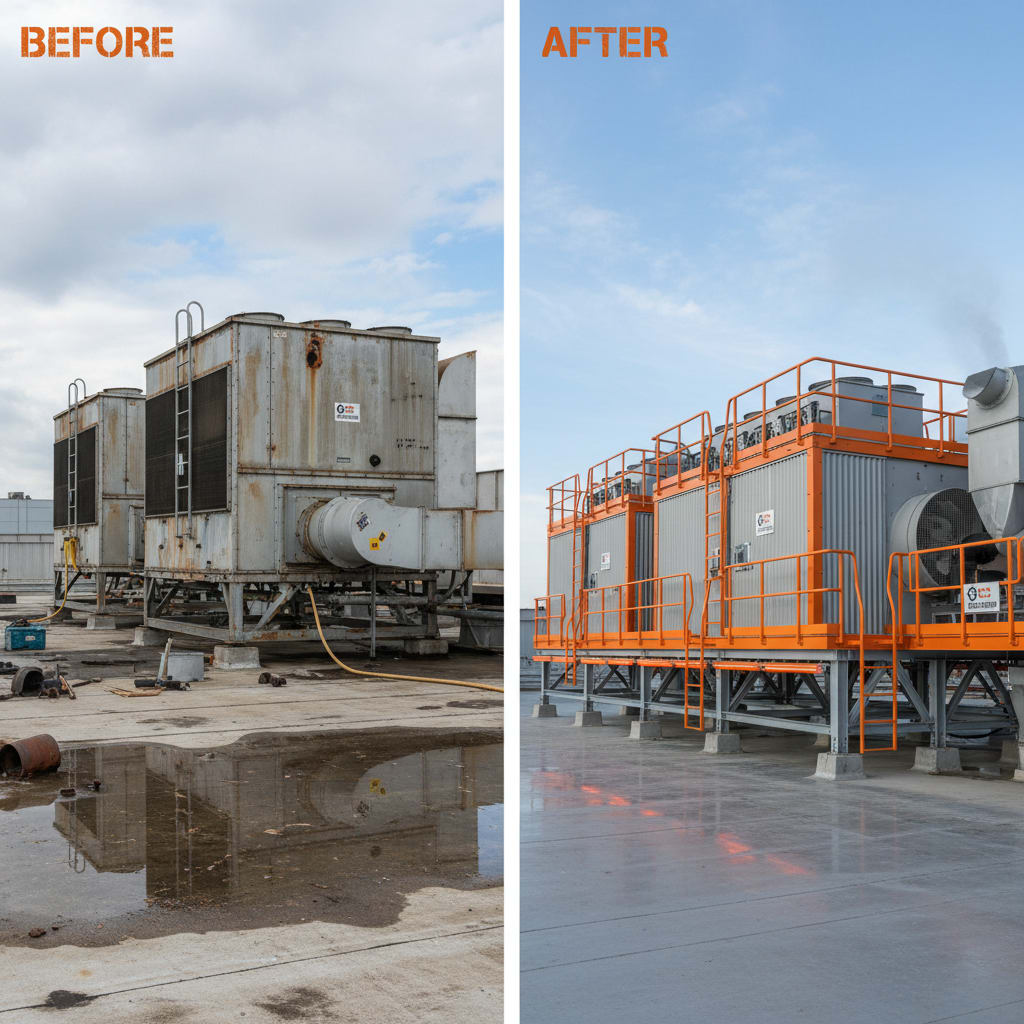
How Modern Building Trends Influence Roof Floor Selection
The construction sector continues to embrace innovation at a rapid pace. Recent industry reports highlight growing interest in durable building systems. Property developers increasingly prioritize structural performance and long-term value.
Among the most discussed topics is roof design. Engineers and architects now focus on solutions that improve safety, energy efficiency, and service life. One important factor often highlighted in project planning is the selection of the right roof floor system.
As infrastructure projects expand worldwide, demand for advanced roofing solutions continues to rise. New materials and engineering methods are transforming how buildings perform under environmental stress. Industry experts believe roofing decisions made today can significantly influence future maintenance costs.
Growing Attention on Structural Reliability
Recent construction news reveals a strong shift toward resilient building practices. Governments and private developers seek structures capable of handling changing weather conditions. Roofing systems play a central role in achieving this objective.
A well-designed roof floor supports load distribution throughout the structure. It helps maintain stability while protecting interior spaces from environmental exposure. Engineers consider this component a critical part of overall building performance.
Modern projects often undergo detailed structural assessments before construction begins. These evaluations help determine suitable roofing solutions for specific applications. Factors such as climate, building purpose, and expected loads influence final decisions.
Why Roof Floor Selection Matters
The roof represents one of the most exposed sections of any building. It experiences constant interaction with sunlight, wind, rain, and temperature fluctuations. Because of these conditions, choosing an appropriate roofing framework becomes essential.
The right system contributes to structural integrity and longevity. It reduces stress concentrations and improves overall performance. Proper selection can also minimize repair requirements over time.
Industry specialists frequently recommend evaluating material compatibility during project planning. Roofing components should work together efficiently to create a durable structure. Poor compatibility may lead to premature deterioration.
Construction professionals often examine solutions offered by roof floor,Constrframe and other industry suppliers when researching modern structural systems. Such evaluations help identify options that align with project goals and engineering requirements.
Technology Drives Better Roofing Solutions
Digital technologies continue influencing construction practices worldwide. Building Information Modeling has become a valuable tool for project teams. It allows designers to analyze roofing performance before installation begins.
Advanced simulations help predict load behavior under various conditions. These insights support informed decision-making throughout the design process. As a result, many projects achieve greater efficiency and reliability.
Manufacturers also invest heavily in research and development. New roofing systems are designed to improve strength while reducing unnecessary weight. This balance supports structural performance and installation efficiency.
Automation further contributes to quality improvement. Precision manufacturing techniques help ensure consistent product specifications. Greater consistency often translates into enhanced reliability in the field.
Material Innovations Support Longevity
Material science remains a key driver of construction advancement. Engineers continuously explore options that offer better durability and environmental resistance.
Steel-based systems remain popular for many commercial and industrial applications. Their strength and predictable performance make them suitable for demanding projects. Proper protective treatments can further extend service life.
Composite materials are also gaining attention. These solutions combine desirable characteristics from different material types. Many developers appreciate their balance between performance and efficiency.
Concrete-based roofing systems continue serving numerous applications as well. Advances in mix design have improved durability and structural capabilities. These improvements help buildings withstand challenging operating conditions.
Selecting the most suitable material requires careful evaluation. Project requirements vary significantly across sectors and locations. A solution that performs well in one environment may not be ideal elsewhere.
Sustainability Becomes a Key Consideration
Environmental concerns increasingly influence construction decisions. Sustainable design principles now shape many building projects. Roofing systems contribute significantly to these efforts.
Efficient roofing structures can support energy conservation goals. They may help improve thermal performance and reduce operational demands. These benefits align with broader sustainability objectives.
Many developers seek materials with extended service life. Durable systems reduce replacement frequency and associated resource consumption. This approach supports long-term environmental responsibility.
Recyclability also receives growing attention. Construction stakeholders increasingly favor materials that can be reused or repurposed after service life ends. Such practices support circular economy initiatives.
Understanding Load Requirements
Structural loading remains a major consideration during roof floor selection. Every building experiences different operational demands. Accurate calculations are essential for safe performance.
Engineers evaluate both permanent and temporary loads. Permanent loads include the weight of structural components. Temporary loads may involve maintenance activities or environmental influences.
Snow accumulation represents a significant concern in many regions. Wind forces can also affect roofing behavior. Understanding these conditions helps ensure appropriate design choices.
Modern engineering software enables detailed load analysis. These tools provide valuable insights during project planning. Better analysis often leads to more reliable outcomes.
Maintenance Planning Enhances Performance
Long-term building success depends on effective maintenance strategies. Even the most advanced roofing systems require periodic inspection. Regular evaluations help identify potential concerns early.
Preventive maintenance reduces the likelihood of costly repairs. It also supports consistent structural performance. Building owners increasingly recognize the value of proactive maintenance programs.
Access considerations should be addressed during design stages. Safe maintenance access encourages routine inspections and servicing. This approach contributes to extended service life.
Industry data consistently shows that well-maintained structures perform better over time. Strategic maintenance planning therefore remains an important component of roofing decisions.
Industry Experts Highlight Future Trends
Construction professionals anticipate continued growth in smart building technologies. Roofing systems will likely become more integrated with digital monitoring solutions. These technologies may provide real-time performance data.
Sensors could help detect structural changes before visible damage occurs. Early detection supports timely intervention and improved asset management. Such capabilities are attracting attention across the industry.
Prefabrication is another emerging trend. Factory-produced structural components offer improved quality control and installation efficiency. Many experts expect wider adoption in coming years.
Artificial intelligence may further enhance project planning. Advanced analytics could help optimize roofing designs for specific conditions. These developments demonstrate how technology continues reshaping construction practices.
Making Informed Roofing Decisions
Choosing an optimal roof floor requires careful consideration of multiple factors. Structural requirements, environmental conditions, and maintenance expectations all influence outcomes. Successful projects balance these elements effectively.
Technology now provides greater insight than ever before. Engineers can evaluate performance through sophisticated modeling and analysis tools. These capabilities support smarter construction decisions.
As industry standards continue evolving, durable roofing solutions remain a priority. Developers increasingly seek systems that deliver reliability, efficiency, and longevity. Careful planning and informed material selection help achieve these objectives.
The future of construction depends on resilient infrastructure. Thoughtful roofing decisions contribute significantly to that goal. By embracing innovation and sound engineering principles, building professionals can create structures designed to perform for decades.
About the Creator
Emily Carter
Emily Carter is a freelance writer focused on SEO, digital marketing, content publishing, and online business trends. Her articles provide insights into search optimization, content strategy, and the evolving world of digital media.
Enjoyed the story? Support the Creator.
Subscribe for free to receive all their stories in your feed.
Comments
There are no comments for this story
Be the first to respond and start the conversation.