
Choosing a Leather Watch Strap: Materials, Fit, and Style
practical guide to leather watch straps, fit, materials, care, and everyday style.

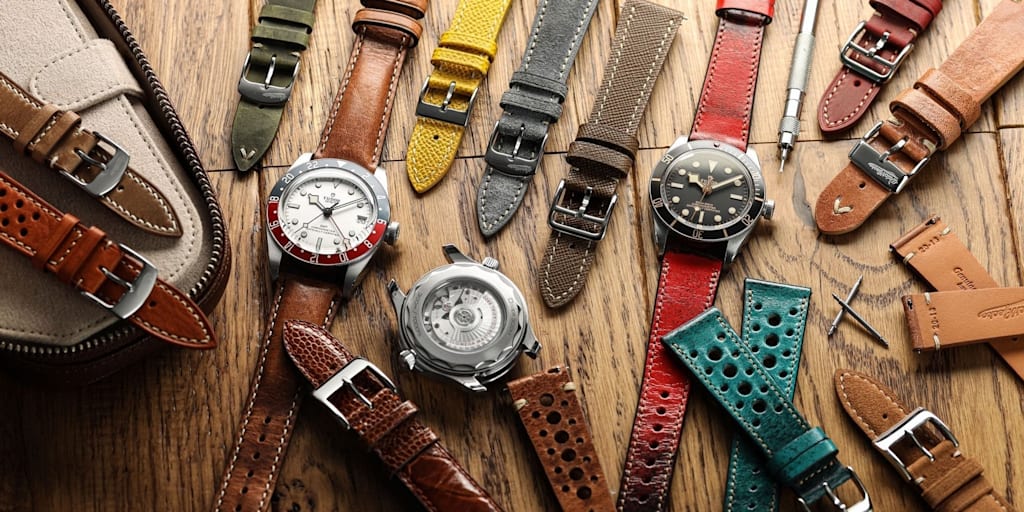
A watch strap is more than a simple component that keeps a timepiece attached to the wrist. It can influence comfort, appearance, durability, and even how a watch feels during everyday use. With many materials, colors, textures, and construction methods available, choosing the right strap often requires more thought than simply matching its color with a watch dial.
Leather remains one of the most recognizable materials used for watch straps. It has a traditional appearance, develops character with use, and is available in a wide range of finishes. However, not every leather strap is the same. The type of leather, stitching, lining, thickness, and fitting system can all affect its performance.
Understanding Watch Straps
A watch strap is the flexible band used to secure a wristwatch around the wrist. Traditionally, straps have been made from materials such as leather, fabric, rubber, and synthetic compounds. Metal bracelets are another common option, although they differ from conventional straps in construction and adjustment.
The choice between these materials depends largely on personal requirements. A leather strap may suit someone looking for a classic appearance, while rubber or synthetic materials may be more practical for activities involving water or heavy perspiration.
For mechanical and luxury watches, the strap can also become part of the overall visual identity of the timepiece. A change of strap may make the same watch appear more formal, casual, vintage-inspired, or contemporary.
What Makes Genuine Leather Different?
The term genuine leather watch straps is commonly used to describe straps made from real animal hide rather than entirely synthetic material. However, the phrase itself does not necessarily describe the highest grade of leather. Leather quality depends on factors including the type of hide, tanning process, finishing, thickness, and construction.
Different leather varieties can produce noticeably different results. Smooth leather generally offers a clean and formal appearance, while textured or grained leather can provide a more casual character. Some leather is treated to create a particular color or surface effect, whereas other types are designed to retain more of the natural appearance of the hide.
Leather also changes over time. Regular contact with the wrist, exposure to air, and normal handling can gradually alter its color and surface. This aging process, sometimes called patina, is one reason leather is appreciated by traditional watch enthusiasts.
The Appeal of Handcrafted Leather Watch Straps
There is a distinction between a mass-produced strap and one made with greater attention to individual construction details. Handcrafted leather watch straps can involve processes such as hand cutting, edge finishing, stitching, skiving, and careful assembly.
Craftsmanship does not automatically determine whether a strap is suitable for every wearer. Instead, it can affect details such as the consistency of the edges, appearance of stitching, flexibility, and overall finishing.
Stitching is particularly important. A strap may use contrasting thread for a more noticeable appearance or matching thread for a subtler design. The spacing and tension of the stitches can also contribute to the visual character of the strap.
Another consideration is the edge treatment. Properly finished edges can make a leather strap feel smoother against the wrist and may help reduce premature wear.
Finding the Right Fit
Even a well-constructed strap can be uncomfortable if it is not correctly sized. Watch straps are generally specified by the width of the attachment point, often measured in millimeters. The width should correspond with the watch's lug spacing.
Length is another consideration. People with smaller or larger wrists may need different strap lengths. A strap that is too short can be uncomfortable, while excessive length can leave an awkward amount of material around the wrist.
The thickness of the strap also matters. A thin strap may complement a smaller or dress-oriented watch, while a thicker strap can look more appropriate on a larger case.
Considering a Zenith Defy Strap
The design of the watch should be considered before selecting a replacement strap. For owners exploring a Zenith Defy strap, compatibility is particularly important because the Defy family includes watches with different case designs and specifications.
Before purchasing or installing a replacement, it is worth checking the exact model reference, attachment dimensions, strap construction, and clasp or buckle arrangement. Two watches from the same broader collection may not necessarily use identical strap dimensions.
A replacement strap should also sit securely against the case without creating excessive pressure around the attachment points. When compatibility is uncertain, checking the watch's documentation or consulting a qualified watch professional can help prevent an unsuitable fit.
Leather and Everyday Wear
Leather is comfortable for many everyday situations, but it is not universally suited to every environment. Frequent exposure to water, sweat, humidity, or chemicals can accelerate deterioration. This is especially relevant for people who exercise while wearing a watch or spend considerable time outdoors.
A leather strap can generally benefit from being kept dry and allowed to air after extended wear. If it becomes wet, aggressive heating should be avoided because excessive heat can affect the leather and adhesives used in its construction.
Rotating between multiple straps can also reduce the amount of continuous wear placed on a single piece. This allows leather to rest between uses and gives the wearer more flexibility when changing between casual and formal settings.
Matching Strap Style With the Watch
Color is only one part of the equation when matching a strap with a watch. Texture, stitching, thickness, buckle design, and leather finish can all influence the final appearance.
Black leather often creates a restrained and formal combination, while brown shades can introduce a warmer and more traditional appearance. Darker textured leather may work well with sportier watches, whereas smooth leather can complement dress-oriented designs.
The goal does not necessarily have to be perfect color matching. Sometimes a subtle contrast between the watch case, dial, and strap creates a more balanced appearance.
Caring for a Leather Watch Strap
Regular maintenance can extend the useful life of a leather strap. Basic care includes keeping the strap away from unnecessary moisture, wiping away surface dirt with an appropriate soft cloth, and storing the watch in a dry environment when it is not being worn.
Leather conditioners should be used carefully because unsuitable products can change the color or finish. Manufacturer recommendations should take priority, particularly when the strap has a specialized coating or treatment.
Signs of significant deterioration should also be taken seriously. Cracking, severe thinning, damaged stitching, or weakening around the spring-bar holes may indicate that a strap should be replaced. A failing strap can allow an expensive watch to fall, making structural condition more important than appearance alone.
Final Considerations
Selecting a watch strap involves balancing appearance, comfort, compatibility, and practical requirements. Leather continues to be popular because it combines a traditional look with a wide variety of textures and finishes.
Whether considering genuine leather watch straps, handcrafted alternatives, or a replacement such as a Zenith Defy strap, the most important factors are not simply appearance or price. Correct sizing, construction quality, material characteristics, and intended use should all be considered before making a choice.
A suitable strap should complement the watch while remaining comfortable and secure during normal wear. Understanding the differences between materials and construction methods makes it easier to select an option that fits both the watch and the circumstances in which it will be worn.
About the Creator
Enjoyed the story? Support the Creator.
Subscribe for free to receive all their stories in your feed.
Comments
There are no comments for this story
Be the first to respond and start the conversation.