
Cholesterol's Role in the Body: A Comprehensive Overview
What is cholesterol’s role?
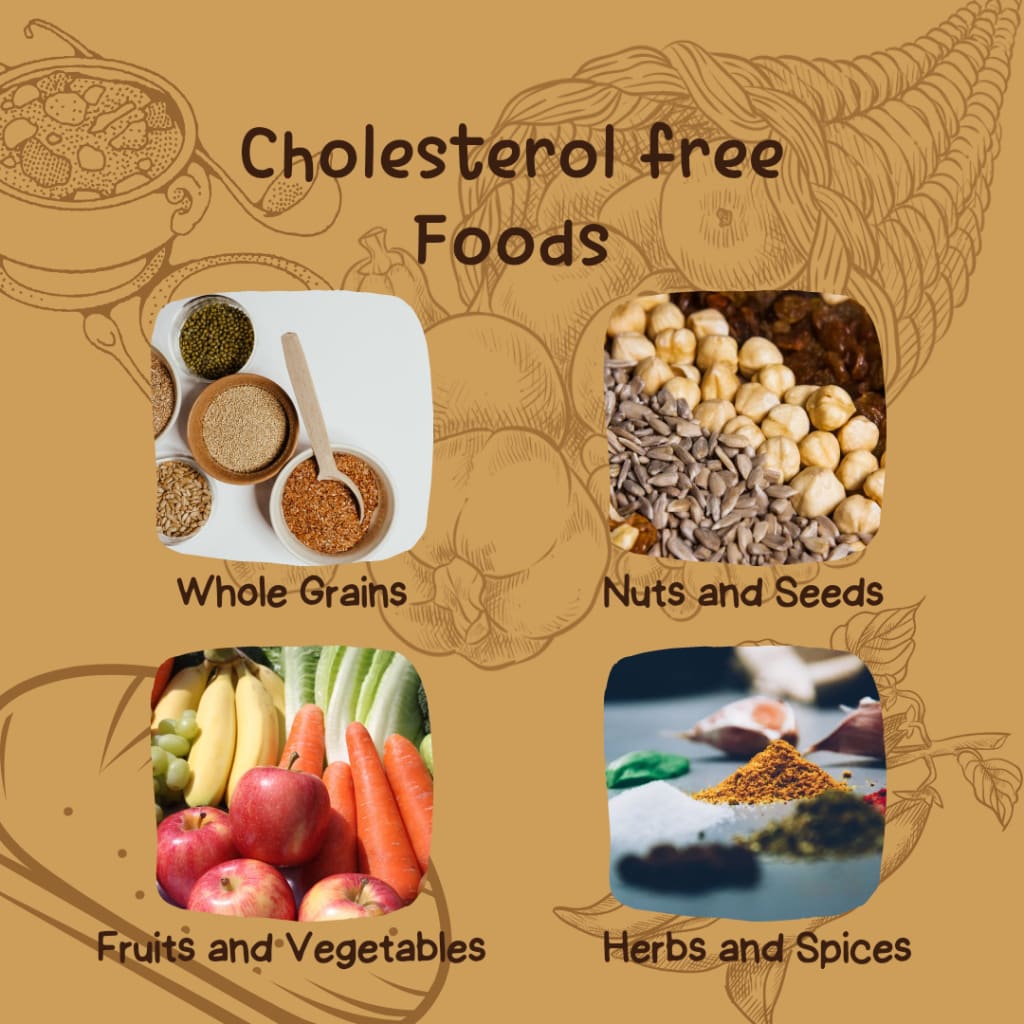
Cholesterol is a vital molecule in the human body, playing a crucial role in various physiological processes. Despite its notoriety as a contributor to cardiovascular diseases when present in excessive amounts, cholesterol is essential for maintaining overall health. This essay explores the multifaceted role of cholesterol, from its structural importance in cell membranes to its involvement in hormone synthesis and its complex relationship with heart health.
1. Structural Component of Cell Membranes:
Cholesterol is an integral part of the cell membrane, the thin, flexible barrier that encases every cell in our body. It is essential for maintaining membrane fluidity and stability. Cholesterol molecules are interspersed between the phospholipids in the lipid bilayer, regulating the membrane's rigidity. Without cholesterol, cell membranes would become overly fluid, compromising their integrity and function.
2. Hormone Synthesis:
Cholesterol serves as a precursor for the synthesis of several essential hormones, including steroid hormones like cortisol, aldosterone, and sex hormones such as estrogen, progesterone, and testosterone. These hormones play critical roles in various physiological processes, including metabolism, immune response, electrolyte balance, and reproduction. Without cholesterol, our bodies would be unable to produce these vital hormones, leading to hormonal imbalances and dysfunction.
3. Bile Acid Synthesis:
The liver utilizes cholesterol to produce bile acids, which are essential for digestion and the absorption of dietary fats and fat-soluble vitamins (A, D, E, and K). Bile acids emulsify fats, breaking them into smaller droplets, which enhances their digestion by lipases in the small intestine. This process is crucial for nutrient absorption and overall digestive health.
4. Vitamin D Production:
Cholesterol is a precursor for the synthesis of vitamin D, a fat-soluble vitamin necessary for calcium absorption and bone health. When exposed to UVB radiation from the sun, a form of cholesterol in the skin is converted into vitamin D. This vitamin is essential for maintaining bone density and overall immune system function.
5. Brain Function:
The brain contains a significant amount of cholesterol, and it is vital for neuronal health and function. Cholesterol is involved in the formation and maintenance of synapses, the connections between nerve cells. It also plays a role in the insulation of nerve fibers, allowing for efficient transmission of electrical impulses. Adequate cholesterol levels are crucial for cognitive function and overall brain health.
6. Antioxidant Properties:
Cholesterol possesses antioxidant properties, helping to protect cells from oxidative stress. Oxidative stress occurs when free radicals damage cells and DNA, contributing to various diseases and the aging process. Cholesterol's antioxidant role helps maintain cellular integrity and reduces the risk of cellular damage.
Despite its numerous essential functions, cholesterol can become problematic when present in excessive amounts in the bloodstream. High levels of low-density lipoprotein (LDL) cholesterol, often referred to as "bad cholesterol," can accumulate in arterial walls, leading to atherosclerosis, a condition characterized by the narrowing and hardening of arteries. Atherosclerosis is a primary risk factor for cardiovascular diseases, including heart attacks and strokes.
To manage cholesterol levels and reduce the risk of cardiovascular disease, lifestyle modifications such as a healthy diet, regular exercise, and avoiding smoking are crucial. In some cases, medication may be prescribed to lower LDL cholesterol levels.
In conclusion, cholesterol is a multifaceted molecule with critical roles in various physiological processes. It is essential for maintaining cell membrane integrity, hormone synthesis, digestion, vitamin D production, brain function, and antioxidant defense. However, its reputation as a cardiovascular risk factor underscores the importance of balancing cholesterol levels within the body. Understanding the intricate roles of cholesterol can help individuals make informed decisions about their diet, lifestyle, and healthcare to maintain overall health and well-being.
About the Creator
Enjoyed the story? Support the Creator.
Subscribe for free to receive all their stories in your feed.
Comments
There are no comments for this story
Be the first to respond and start the conversation.