
Can AI Replace Human Creativity? My Honest Take
Exploring the Balance Between Technology and Human Imagination

Introduction
Artificial Intelligence is evolving faster than ever, and in 2026, it’s no longer just a tool—it’s a creative partner. From writing content and generating art to composing music and designing products, AI is stepping into spaces that were once considered purely human. This raises an important question: Can AI truly replace human creativity?
As someone who closely observes technology trends, I believe the answer is not as simple as “yes” or “no.” The relationship between AI and creativity is complex, and understanding it requires looking at both the capabilities and limitations of artificial intelligence.
Understanding Creativity in the Age of AI
Creativity is more than just producing something new—it involves emotion, imagination, intuition, and personal experience. Humans create based on memories, feelings, and unique perspectives shaped by life experiences.
AI, on the other hand, works differently. It analyzes massive amounts of data, identifies patterns, and generates outputs based on what it has learned. While this can produce impressive results, it raises an important debate around Artificial Intelligence vs. Human Intelligence.
Human intelligence is emotional and intuitive, while AI intelligence is logical and data-driven. This fundamental difference plays a big role in determining whether AI can truly replace creativity.
What AI Can Do Creatively
AI has made remarkable progress in creative fields. Today, it can:
- Write blogs, scripts, and even poetry
- Generate realistic images and artwork
- Compose music and soundtracks
- Design logos and user interfaces
- Assist in video editing and animation
Many businesses now rely on tools developed by an AI Development Company to automate creative tasks and improve efficiency. These tools can save time, reduce costs, and generate ideas quickly.
For example, AI can suggest multiple design variations in seconds, something that might take a human designer hours or even days. This speed and scalability make AI extremely valuable in modern workflows.
Where AI Falls Short
Despite its capabilities, AI still has significant limitations when it comes to creativity.
1. Lack of Original Thought
AI doesn’t truly “think” or “imagine.” It creates based on existing data. This means its outputs are often combinations or variations of what already exists, rather than something entirely new.
2. No Emotional Depth
Human creativity is deeply connected to emotions—love, fear, joy, and pain. AI cannot genuinely feel or experience these emotions, which limits its ability to create meaningful and impactful content.
3. No Personal Experience
Every human creation is influenced by personal experiences and perspectives. AI lacks this individuality, making its creations less unique.
The Role of Humans in the Creative Process
Rather than replacing humans, AI is becoming a powerful tool that enhances creativity. It helps people work faster, explore new ideas, and overcome creative blocks.
For example, content creators can use AI to generate ideas or drafts, but the final output still requires human touch—editing, storytelling, and emotional connection.
Similarly, businesses looking to Hire AI Developer professionals often aim to integrate AI into their workflows, not replace their teams. The goal is to combine human creativity with AI efficiency.
AI as a Creative Partner
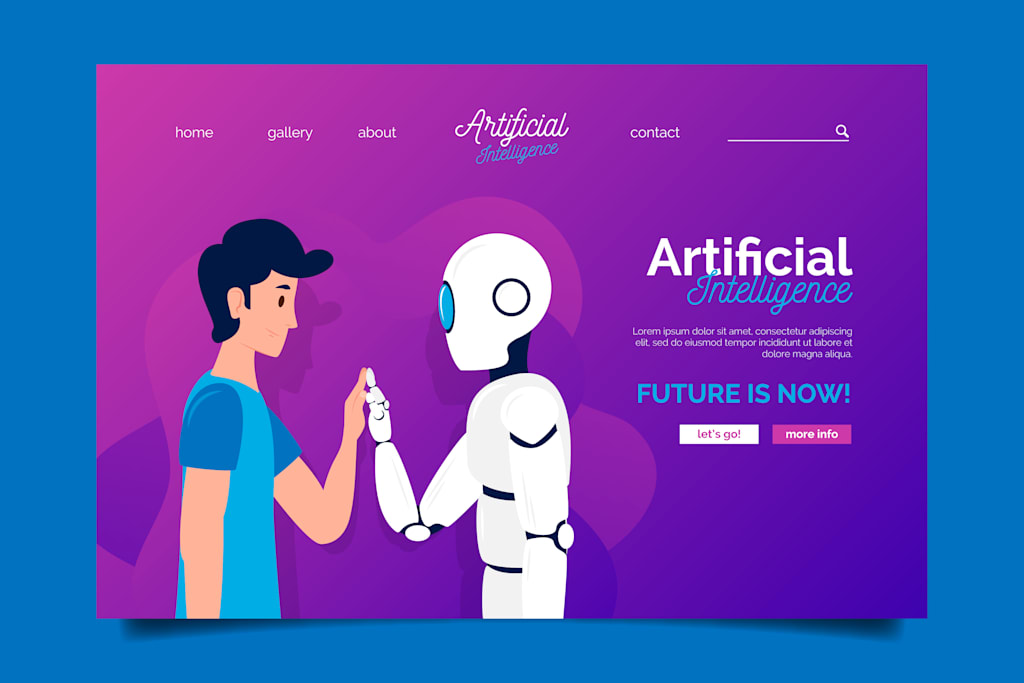
The future of creativity lies in collaboration between humans and AI. Instead of competing, they complement each other.
How AI Helps Humans:
- Speeds up repetitive tasks
- Provides data-driven insights
- Suggests creative ideas
- Enhances productivity
How Humans Add Value:
- Emotional storytelling
- Original thinking
- Cultural understanding
- Ethical decision-making
This partnership allows creators to focus on what truly matters—innovation and expression.
The Rise of AI Agents and Creativity
Another exciting development is the ability to Build an AI Agent that can perform specific creative tasks. These agents can assist with writing, design, customer interaction, and more.
However, even advanced AI agents rely on human input for direction and purpose. They are tools, not independent creators. Their effectiveness depends on how they are designed and used.
Will AI Ever Replace Human Creativity?
In my honest opinion, AI will not replace human creativity—it will transform it.
AI can mimic creativity, assist in the process, and even produce impressive results. But it cannot replicate the depth, emotion, and originality that come from human experiences.
Creativity is not just about output; it’s about meaning. And meaning comes from being human.
The Future of Creativity
Looking ahead, we can expect:
- More collaboration between humans and AI
- Smarter tools that enhance creative workflows
- Increased demand for human creativity in storytelling and innovation
- New creative roles that combine technology and art
AI will continue to evolve, but human creativity will remain at the center of innovation.
Conclusion
So, can AI replace human creativity? The answer is no—but it can redefine it.
AI is a powerful tool that enhances creativity, not a replacement for it. The real magic happens when humans and AI work together, combining logic with emotion, data with imagination.
In this evolving digital world, those who learn to balance technology and creativity will have the greatest advantage. Instead of fearing AI, we should embrace it as a partner that helps us unlock new creative possibilities.
About the Creator
Aarti Jangid
Hi, I’m Aarti Jangid. I write blogs about AI development, real estate app development, and eCommerce app development. Through my articles on Vocal Media, I share insights about modern technologies and digital solutions.
Enjoyed the story? Support the Creator.
Subscribe for free to receive all their stories in your feed.
Comments
There are no comments for this story
Be the first to respond and start the conversation.