
Burner Efficiency Justifies Premium Investment
How do the specific burner modulation technologies and drum insulation standards in a premium asphalt drum mix plant directly impact the per-ton production cost for a high-volume hot mix plant?

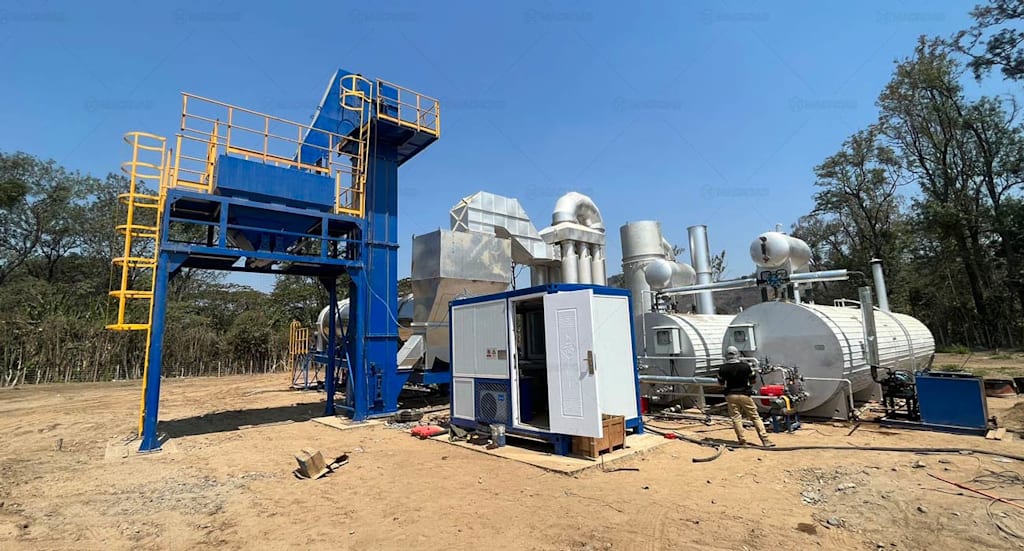
Premium asphalt drum mix plant burner modulation and insulation standards directly govern per-ton production cost for high-volume hot mix plant operations. In 2026 competitive bidding environments, fuel expenditure represents 35-45% of total operational expenditure, making thermal efficiency a critical margin determinant. Thermal efficiency advantages from top-tier continuous systems justify 12% capital premiums through fuel savings and margin preservation. Contractors facing 2026 fuel price volatility achieve competitive positioning by analyzing lifecycle returns that apparent initial savings obscure.
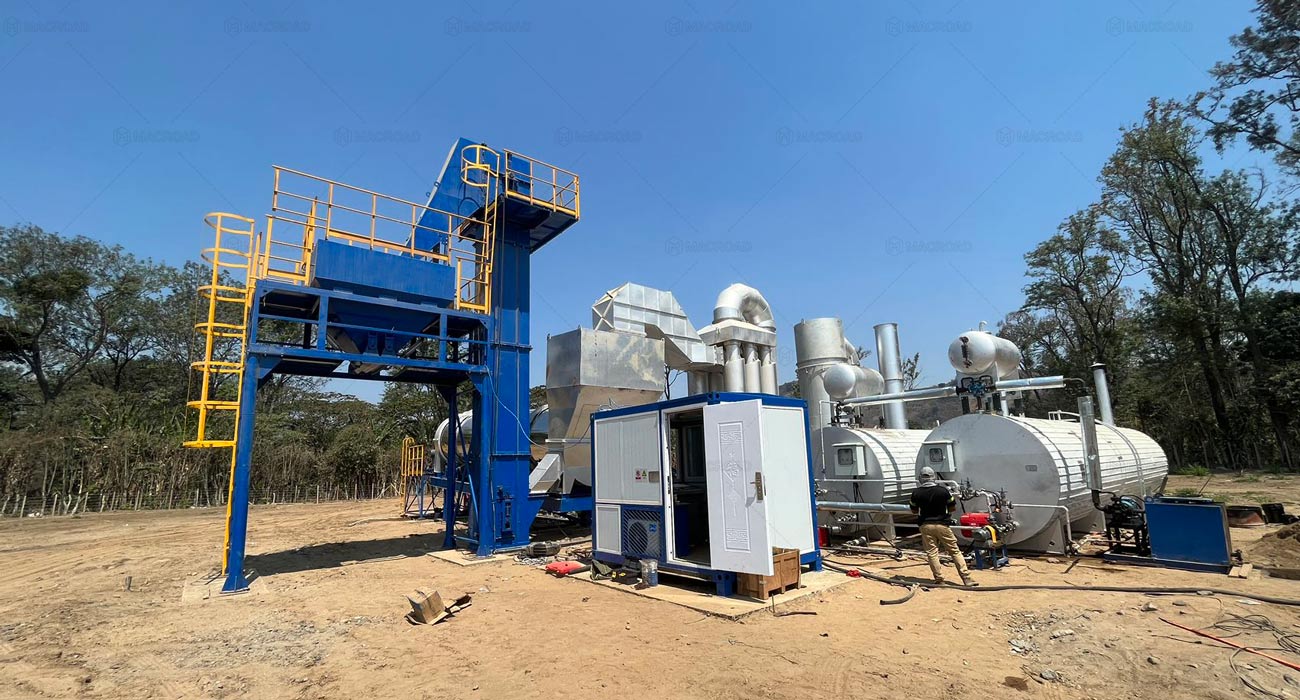
Modulation Technology Impact
Fixed-output burners generate 15-25% excess fuel consumption through conservative over-firing intended to prevent temperature shortfall. Multi-stage modulation with 10:1 turndown ratios and oxygen sensor feedback maintains combustion efficiency within 2% of stoichiometric optimum regardless of aggregate moisture or ambient temperature fluctuations. This precision reduces fuel input to 5.8-6.2 kg per ton versus 7.0-7.8 kg for conventional systems.
Variable-frequency drives on combustion air blowers match airflow to actual process requirements rather than constant-speed oversizing with damper throttling. This adjustment eliminates 30-40% electrical waste while maintaining precise excess air ratios. Specifically, automated modulation responding to real-time exhaust gas analysis prevents the thermal cycling stress that increases component wear and fuel demand.
Preheated combustion air recovery compounds efficiency gains. Heat exchangers capturing 200-250°C exhaust energy raise inlet temperatures, improving atomization quality and reducing ignition delay. Hot mix plant designs with this capability achieve 94-96% thermal transfer efficiency compared to 85-88% for basic alternatives, generating annual savings that recover premium investment within 14-18 months.
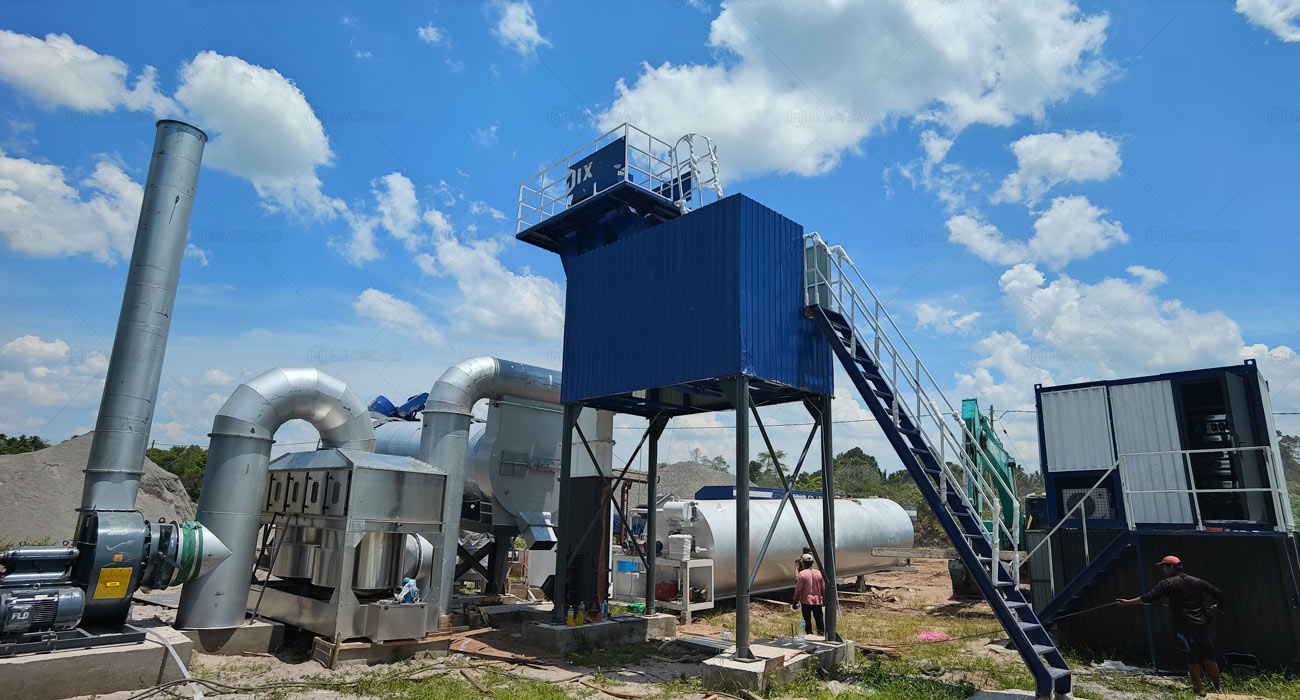
Insulation Standards Determine Heat Retention
Standard 100mm insulation experiences 25-30°C radial heat loss, forcing fuel-wasting over-firing to maintain discharge temperatures. Premium asphalt drum mix plant utilizing 200mm ceramic fiber with aluminum cladding reduce loss by 50%, maintaining thermal stability across variable ambient conditions. This differential eliminates the 0.4-0.7 kg per ton consumption penalty that inadequate insulation imposes.
Multi-layer systems with reflective barriers and stainless steel mesh reinforcement prevent settling and thermal bridging. These assemblies maintain design R-values across 15-year operational lifespans without maintenance intervention. Specifically, this durability prevents the gradual degradation that causes operators to incrementally increase burner output unaware of underlying envelope failure.
Discharge temperature consistency extends workable haul distances. Uniform 160-170°C output preserves mix viscosity during 90-minute transport to remote paving sites. This thermal retention eliminates cold lump formation and density deficiencies that would trigger rejection and remedial costs exceeding fuel savings.

2026 Fuel Price Volatility Economics
Fluctuating energy markets amplify efficiency advantages. At $1.15 per liter diesel equivalent, a 240 TPH hot mix plant processing 150,000 tons annually achieves 90-120 ton fuel savings through premium efficiency. This differential generates $103,000-138,000 annual cost avoidance, compounding across volatile price cycles that budget alternatives cannot navigate.
Carbon taxation frameworks emerging in 2026 assign direct costs to CO₂ emissions, transforming fuel efficiency into profitability determinant. Advanced burner systems with optimized combustion generate 15-20% lower carbon liability than conventional equipment. This reduction produces additional annual savings of $18,000-35,000 that further justify capital premium recovery.
Availability preservation accompanies efficiency gains. Automated systems maintaining optimal combustion prevent the unplanned shutdowns from thermal degradation or emission exceedance that destroy project schedules. Predictive algorithms identifying component wear before catastrophic failure enable scheduled maintenance during planned windows rather than emergency response. Specifically, 92-94% uptime versus 85-88% for basic alternatives generates 1,000-1,400 additional production hours annually, translating to 25,000-35,000 tons of supplemental output within constrained construction seasons.
Conclusion
Evaluating asphalt drum mix plant options for 2026 high-volume operations demands integrated analysis of burner modulation and insulation standards that isolated capital comparisons obscure. Premium thermal efficiency generating 12% higher initial investment transforms into superior returns through fuel savings, carbon liability reduction, and availability preservation. Consequently, top-tier continuous hot mix plant configurations distinguish competitive contractors in volatile energy markets where operational precision determines project margin sustainability.
About the Creator
Macroad Asphalt Plant
Macroad, a global leading manufacturer in asphalt mixing plants, offers a wide range of specifications to meet diverse project needs. Its high-quality, efficient equipment is widely applied in road construction.
Enjoyed the story? Support the Creator.
Subscribe for free to receive all their stories in your feed.
Comments
There are no comments for this story
Be the first to respond and start the conversation.