
Building Real-Time Data Architecture for AI/ML Development in 2026
Transitioning from batch processing to AI-first pipelines for instant intelligence.

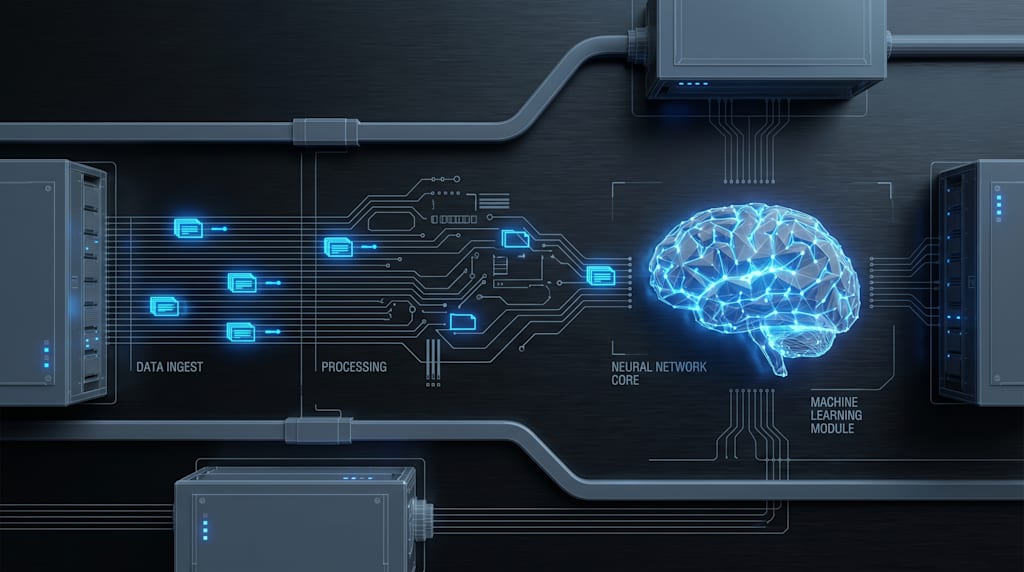
Technology moves fast in 2026. Data architecture now defines business success. Traditional batch processing is too slow for modern needs. Artificial intelligence requires instant information to function well. This shift changes how companies build and deploy software. Modern AI/ML development services focus heavily on speed. They prioritize the constant flow of information.
An AI-first pipeline puts the needs of the model at the center. In the past, developers built data storage first. They added AI as an extra layer later. Today, engineers design the storage to serve the AI directly. This architecture supports immediate online inference. Online inference means the AI makes decisions as new data arrives. It does not wait for a nightly update. It acts on the current second.
The Rise of the Open Lakehouse
The open lakehouse paradigm is a core part of this change. It combines the best parts of data lakes and data warehouses. A data lake stores vast amounts of raw data. A data warehouse stores organized data for reports. The lakehouse does both in one place. This setup removes the need to move data between different systems. Moving data takes time and creates errors.
By using an open lakehouse, teams reduce latency. They keep data in its original format while making it searchable. This improves the efficiency of SaaS software development. Developers build applications that respond to global events instantly. They use these tools to create more effective custom AI solutions.
Vector Databases and Sub-Second Freshness
Generative AI changed how we think about data storage. These models rely on vector databases. A vector database turns information into mathematical coordinates. This allows the AI to find related ideas quickly. In 2026, the standard for these systems is sub-second freshness.
Sub-second freshness means the system updates its knowledge in less than one second. If a customer changes their preference on a website, the AI knows it immediately. The AI uses this new information for the very next interaction. This speed is vital for live agent functionality. A digital assistant must have the latest facts to help a human user. Without real-time updates, the AI gives old or wrong advice. This leads to a poor user experience.
Streaming Data as the Standard
Streaming data is no longer a luxury. It is a requirement for AI integration services. Data flows like water through a pipe. It never stops. Systems process this stream as it moves. This is different from the old way of gathering data in buckets.
Real-time processing allows for immediate fraud detection. Imagine a person using a credit card in a new city. The system analyzes the location, the amount, and the store. It compares this to millions of other data points in milliseconds. It approves or denies the transaction before the person puts their card away. This protects the human customer from theft. It also saves the bank from losing money. You can read more about the technical standards for these systems at Gartner.
The Human Element of Real-Time AI
We must look at how this technology helps people. Real-time data architecture is not just about servers. It is about the person using the app. A doctor using an AI tool needs the latest patient vitals. The AI identifies a dangerous trend in a heartbeat. It alerts the doctor immediately. This saves lives.
In a retail setting, a warehouse manager sees stock levels change in real-time. The AI predicts a shortage before it happens. It orders more supplies automatically. The manager spends less time on paperwork. They spend more time leading their team. These practical benefits are why companies invest in advanced architecture.
Governance and Strict Controls
Fast data creates a need for strict governance. You must know where every piece of data comes from. You must ensure that the data is clean and legal. In 2026, automated tools manage this governance. They check for privacy violations as data moves through the pipeline.
Governance prevents the AI from learning from "poisoned" data. It ensures the AI remains bias-free and accurate. Strict rules protect the company from legal trouble. They also protect the privacy of the individual. Every modern data plan must include a section on data ethics and compliance.
The Role of Specialized Services
Building these systems is difficult. It requires deep knowledge of cloud infrastructure and machine learning. Many businesses do not have these skills in-house. Companies like ViitorCloud help businesses solve these architectural problems. They provide the expertise needed to move from old systems to AI-first pipelines.
Their work in real-time data architecture for AI/ML development focuses on operational ROI. They help firms implement vector databases and lakehouse models. This ensures that the AI investment actually pays off. These services bridge the gap between a good idea and a working product.
Future Trends in Data Flow
As we move further into 2026, we see more "edge" processing. This means the data is processed on the device itself. Your phone or your car does the thinking. It only sends the important results back to the main server. This reduces the load on the network. It also makes the AI even faster.
The integration of Generative AI with streaming data will continue to grow. We will see AI agents that act like real employees. They will monitor supply chains, answer complex emails, and manage schedules. They will do this by watching the data stream 24 hours a day.
Conclusion
The shift to real-time data architecture is permanent. Batch processing belongs to the past. To succeed in 2026, enterprises must adopt AI-first pipelines. They must use open lakehouses and vector databases. These technical choices lead to faster, smarter, and more helpful AI.
By prioritizing sub-second freshness and strong governance, companies build trust with their users. They create tools that solve real human problems in the moment. The journey toward total AI integration starts with the data. How you move that data determines how far your business can go. Focus on speed, focus on the user, and build for the future of real-time intelligence.
About the Creator
ViitorCloud Technologies
As a leading software development company, we’ve empowered 500+ startups, SMBs, and enterprises to transform their operations. Upgrade your business with our AI-First Software and Platforms that automate and scale, keeping you future-ready.
Enjoyed the story? Support the Creator.
Subscribe for free to receive all their stories in your feed.
Comments
There are no comments for this story
Be the first to respond and start the conversation.