
Boosting Profit Margins with the Use of Remote Control Overhead Cranes in Logistics
The Role of Remote Control Overhead Cranes in Logistics

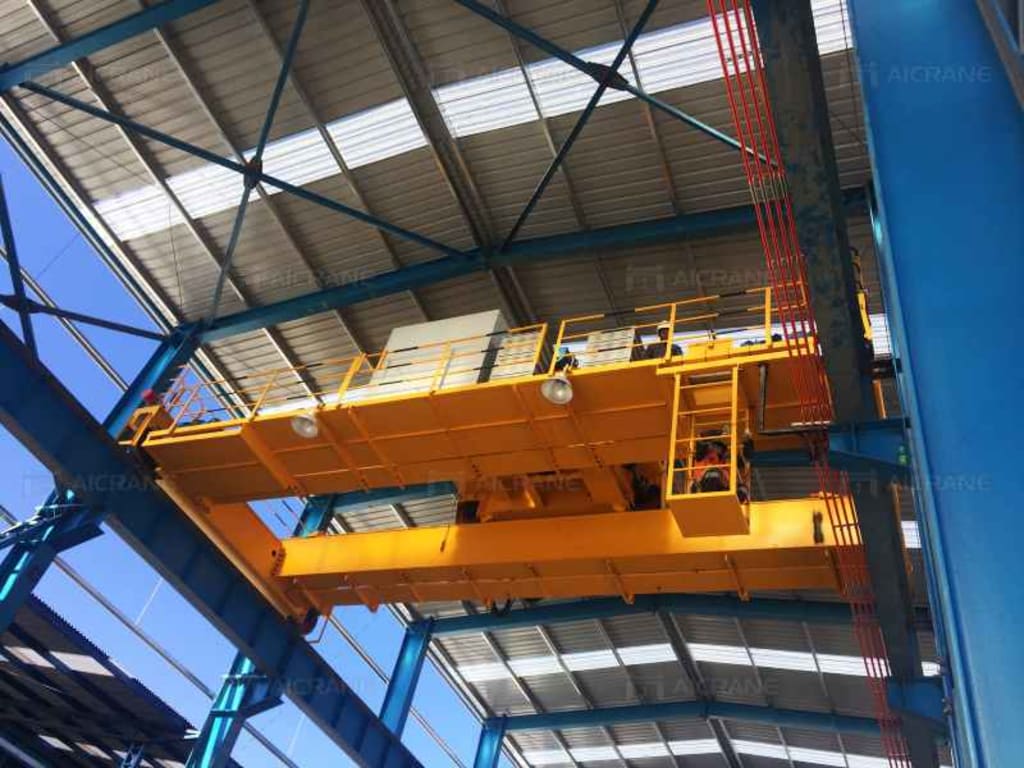
In today’s fast-paced logistics industry, efficiency and cost-effectiveness are critical to maintaining a competitive edge. With the continuous growth in demand for faster delivery times and the need to handle increasingly large and complex loads, logistics companies are turning to advanced technology to optimize their operations. One such innovation that is transforming material handling in the logistics sector is the remote control overhead crane. These cranes offer numerous advantages that help companies streamline operations, improve safety, and ultimately boost profit margins.
1. Enhanced Operational Efficiency
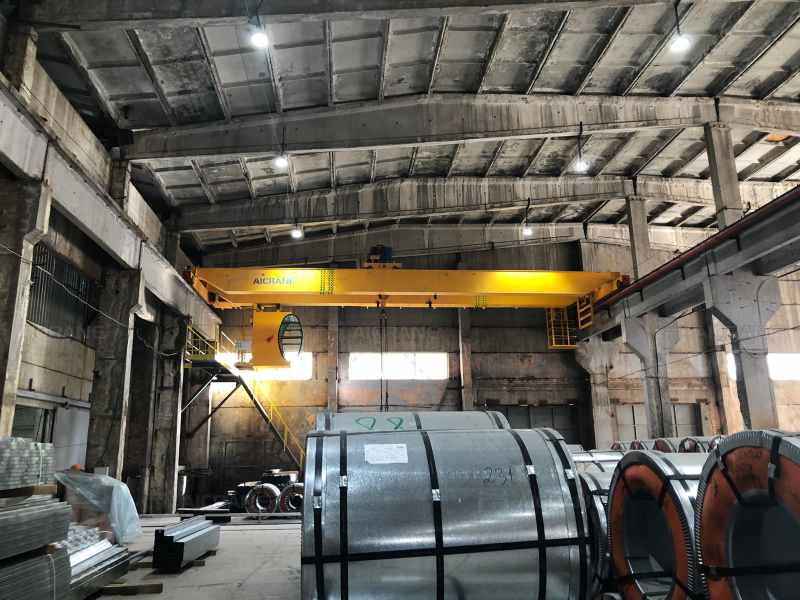
One of the primary benefits of implementing a remote control overhead crane is the significant boost in operational efficiency. These cranes allow for seamless, hands-free material handling across warehouses, distribution centers, and ports, eliminating the need for manual labor to move heavy loads. This results in faster and more efficient movement of goods, which is essential in an industry where time is a critical factor.
With remote control functionality, operators can manage crane movements from a safe distance, often with a clear line of sight to the entire workspace. This reduces the time spent positioning loads and ensures that materials are moved with precision, reducing bottlenecks in the workflow. The increased speed and accuracy of load handling not only reduces downtime but also allows companies to process more orders in less time, significantly improving throughput.
Additionally, remote control overhead cranes can be integrated with automated systems, such as inventory management software, which enables real-time tracking of materials and optimizes order fulfillment. This combination of automation and efficiency leads to faster operations, ultimately boosting the bottom line for logistics companies.
2. Reduction in Labor Costs
Labor costs are a major expense for logistics companies, particularly in material handling operations that require multiple workers to move heavy or large items manually. The use of remote control overhead cranes drastically reduces the need for such labor-intensive tasks. One operator, using a remote control device, can manage the crane and handle large loads with minimal assistance.
This reduction in labor dependency leads to lower staffing requirements, translating into substantial cost savings over time. Additionally, fewer workers handling heavy loads means a lower risk of injury, which can further reduce costs related to workplace accidents, insurance, and worker’s compensation claims.
Moreover, remote control overhead cranes allow companies to make better use of their existing workforce. Instead of dedicating multiple workers to handle material movements, companies can reassign those employees to more value-added tasks, such as inventory management or quality control. This reallocation of labor increases overall productivity and efficiency, contributing to higher profit margins.
3. Improved Workplace Safety
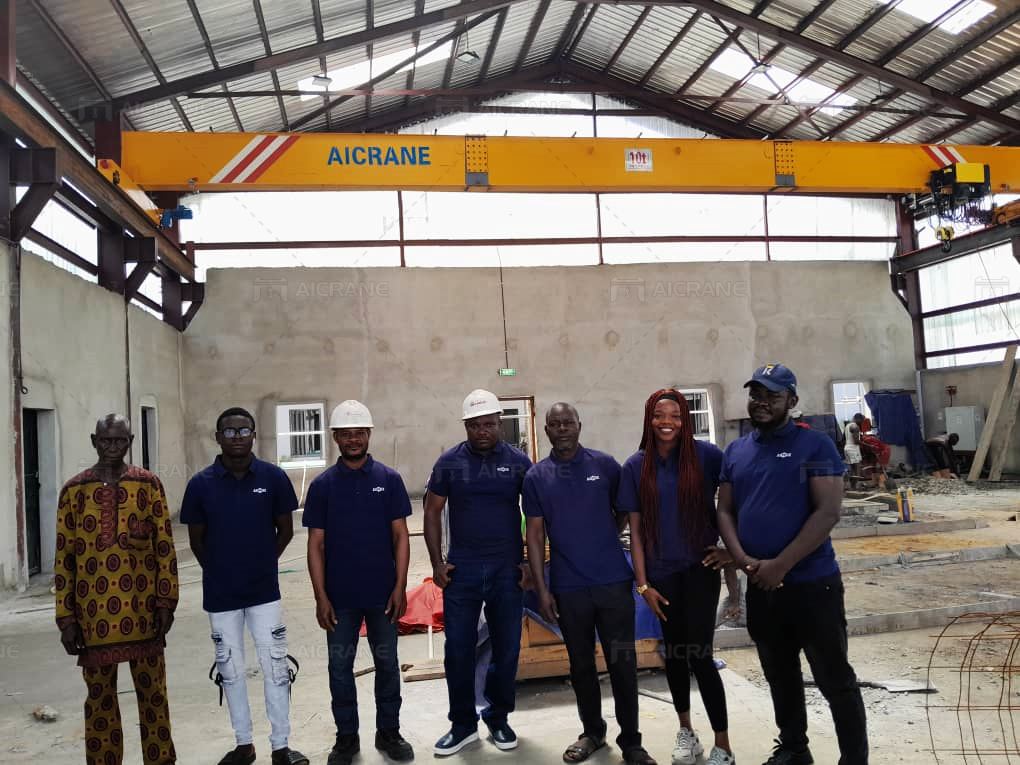
Safety is a top priority in logistics and material handling environments, where heavy loads and fast-paced operations can pose significant risks. Remote control overhead cranes offer a safer alternative to traditional material handling methods, as operators can control the crane from a safe distance, reducing the risk of accidents caused by human error or proximity to moving loads.
By eliminating the need for workers to be physically close to the loads being moved, remote control overhead cranes minimize the potential for injuries from falling objects, collisions, or equipment failure. The operator's ability to control the overhead bridge crane with precision further enhances safety, as loads can be moved smoothly and accurately without abrupt movements or misalignments that could cause accidents.
This emphasis on safety not only protects employees but also helps companies avoid costly accidents and downtime caused by equipment damage or injury-related investigations. A safer workplace can also lead to reduced insurance premiums, further improving profit margins.
4. Maximizing Space Utilization
Efficient space utilization is a key factor in improving the profitability of logistics operations, particularly in warehouses and distribution centers where storage space is at a premium. Remote control overhead cranes help companies make the most of their available space by allowing vertical lifting and movement of goods without the need for floor-based equipment, such as forklifts or pallet jacks.
By operating from overhead tracks, these cranes free up valuable floor space, allowing logistics companies to optimize storage layouts and increase the density of goods stored. This maximized use of space leads to lower real estate costs, as companies can store more products in the same footprint without the need for additional warehouse space.
Additionally, the ability to lift heavy and bulky items to high storage racks or shelves increases the capacity of a warehouse, making it possible to handle more inventory and fulfill more orders. This efficient use of space directly contributes to higher revenues and improved profit margins.
5. Reduced Equipment Wear and Tear
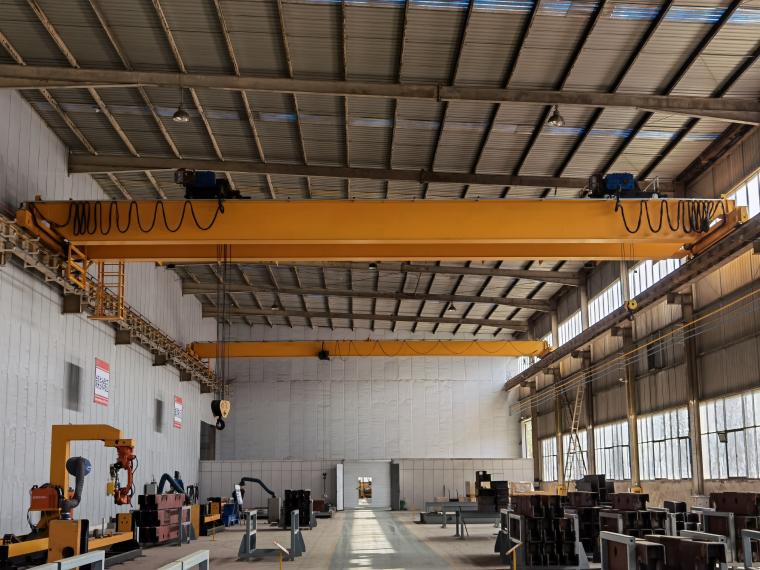
Another advantage of using remote control overhead cranes is the reduced wear and tear on other material handling equipment, such as forklifts and conveyors. By shifting the load-bearing responsibilities to the crane, logistics companies can extend the lifespan of their ground-based equipment, reducing maintenance and replacement costs.
Remote control cranes are designed for heavy-duty use, and their overhead track system allows for smoother and more controlled movements of materials. This reduces the risk of damage to both the loads being handled and the equipment itself. With fewer equipment breakdowns and lower maintenance costs, companies can allocate their resources more effectively, further boosting profitability.
6. Scalability and Flexibility
As logistics companies grow, their material handling needs may become more complex. Remote control overhead cranes offer scalability, as they can be adapted to accommodate larger loads, longer spans, and different operational requirements. This flexibility allows companies to meet increasing demand without the need for costly infrastructure upgrades or additional equipment.
Moreover, the remote control feature allows for more versatile operation across different sections of the facility, making it easier to adjust to changes in workflow or production schedules. As a result, logistics companies can adapt quickly to new business opportunities, helping them stay competitive and profitable in an evolving market.
Conclusion
Investing in remote control overhead cranes can provide significant benefits for logistics companies, from enhanced operational efficiency and reduced labor costs to improved safety and space utilization. By streamlining material handling processes and reducing costs associated with manual labor, equipment wear, and workplace accidents, these cranes offer a clear path to higher profit margins. As the logistics industry continues to evolve, companies that embrace advanced technologies like remote control overhead cranes will be better positioned to increase their profitability and maintain a competitive edge in the market.
About the Creator
Aicrane Group
Aicrane is a professional fabrication and trade integration enterprise in Overhead Crane, Gantry Crane, Rubber Tire Gantry Crane, Boat Lift, Steel Structure Workshop, Construction Winch, Marine Winch,etc.
Enjoyed the story? Support the Creator.
Subscribe for free to receive all their stories in your feed.
Comments