
Big Data Platform Development
Learn how to create a reliable and easy-to-use distributed data platform. Avoid potential challenges and reduce costs.


Contemporary enterprises go beyond simple data accumulation. They amass continuous flows of information ranging from user interactions and financial transactions to server diagnostics, IoT telemetry, customer service inquiries, and external data streams. Eventually, conventional database and dashboard combinations struggle to cope with this immense load.
This is typically the moment when constructing a big data infrastructure transitions from a mere technical experiment to a critical strategic priority.
An effective platform provides teams with the capacity to house massive volumes of information, process it efficiently, and convert it into actionable insights, machine learning models, operational metrics, or innovative features. Conversely, a poorly designed system becomes costly, sluggish, and unreliable.
This guide explores the mechanics of big data platforms, their architectural foundations, typical development lifecycles, and common challenges.
Defining a Big Data Platform
A big data platform is a decentralized system engineered to gather, retain, organize, process, and distribute access to vast amounts of information. These datasets often exceed the capacity of traditional relational databases due to their size, speed, or diversity.
The concept is frequently summarized by three key characteristics:
- Volume: Data scales to terabytes, petabytes, or beyond.
- Velocity: Information arrives continuously from applications, APIs, devices, and external sources.
- Variety: Formats range from structured tables to semi-structured logs and unstructured content.
While legacy systems rely on single databases, rigid schemas, and predictable queries, big data architecture operates differently. It leverages distributed storage, parallel computation, and horizontal scalability, allowing the system to expand by adding more servers rather than overburdening a single unit.
This distinction is crucial. Whether it’s a SaaS firm tracking user engagement, a financial service monitoring payments, or a healthcare provider managing clinical records, the objective remains consistent: transform fragmented raw data into dependable intelligence.
Categories of Big Data Platforms
- Data Lakes: These repositories hold raw data in its native format, accommodating structured, semi-structured, and unstructured types. They are ideal when future use cases are uncertain, offering flexibility for later analysis.
- Lakehouses: Combining elements of data lakes and warehouses, these platforms maintain the scalability of lakes while introducing stricter governance, structure, and improved query speeds.
- Analytics Platforms: Focused on reporting and investigation, these tools facilitate business intelligence, dashboard creation, and large-scale data examination.
In reality, these distinctions often blur. Many organizations begin with a data lake and evolve toward a lakehouse or analytics-focused model as demands for better control, faster performance, and clear data ownership increase.
Essential Building Blocks
Most robust big data ecosystems consist of several fundamental components:
- Distributed Storage: Typically utilizing object storage or data lake technologies.
- Ingestion Pipelines: Mechanisms for transferring data from source systems into the platform.
- Processing Engines: Tools capable of handling batch jobs or hybrid workloads.
- Metadata Management: Systems for cataloging assets and ensuring data discoverability.
- Access Layer: Interfaces enabling analysts, applications, APIs, and ML models to query and utilize the data.
The specific configuration depends on organizational needs, regulatory constraints, budget, and projected growth. There is no universal solution; the best approach is one that aligns with current requirements and remains manageable in the long term.
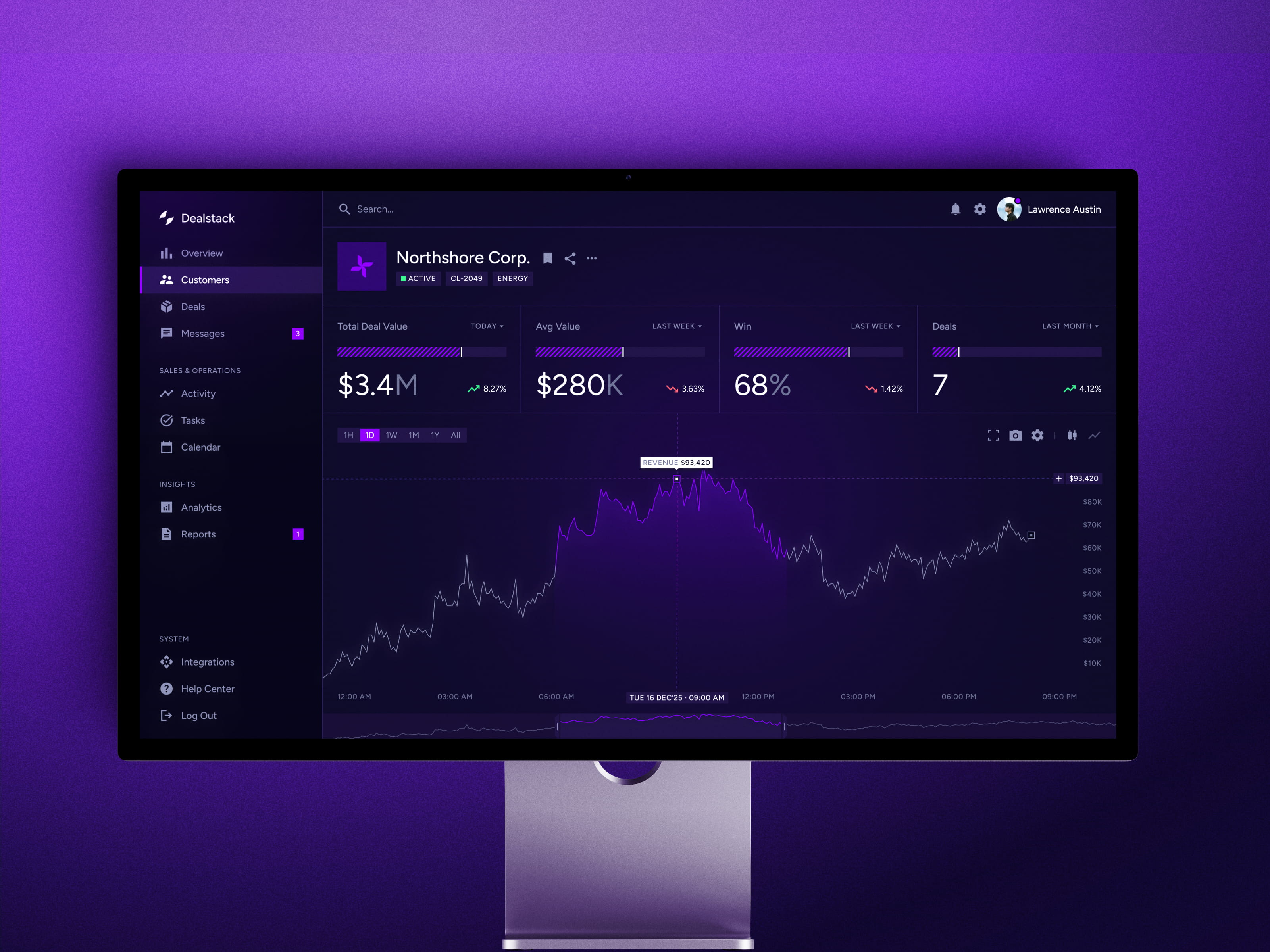
Core Capabilities of Big Data Infrastructure
Decentralized Storage Architecture
The storage foundation distributes information across numerous servers or partitions rather than concentrating it on a single machine. This approach enables organizations to manage massive volumes of information without being constrained by the limitations of individual hardware units.
For some enterprises, "massive" refers to years of accumulated application logs; for others, it encompasses transaction histories, multimedia files, event streams, or automated telemetry. Regardless of the specific data type, systems operating at this magnitude require storage solutions that can scale seamlessly alongside business growth while maintaining high accessibility.
Concurrent Computation
Big data engines break down complex tasks into smaller, manageable units and execute them simultaneously. Rather than relying on a single processor to read through an entire dataset sequentially, multiple workers handle different segments in parallel, drastically reducing processing time.
Technologies like Apache Hadoop and Spark popularized this paradigm. Currently, many teams opt for Spark-based frameworks, fully managed cloud services, or hybrid models, choosing based on their specific workload demands and internal expertise.
Adaptable Data Structures
Incoming data is rarely uniform. Product events evolve, API outputs fluctuate, logs capture unexpected anomalies, and third-party systems introduce unforeseen fields.
A robust platform must accommodate both structured and unstructured formats, particularly during initial phases. This flexibility is a primary driver behind the popularity of data lakes, allowing companies to retain agility before committing to rigid schema definitions.
Support for Lake and Lakehouse Models
Organizations often need to house both raw and refined data within the same ecosystem, albeit under different governance rules. Raw inputs should be preserved in their original state, while cleaned datasets require optimized query performance. Meanwhile, business-ready tables demand strict documentation and access controls.
Lakehouse architectures facilitate this evolution. They allow teams to store vast amounts of data while progressively layering on structure, quality assurance, security policies, and performance enhancements as needs mature.
Seamless Connectivity with AI and Analytics
In the context of big data development, the platform itself is not the end product; it serves as the bedrock for subsequent applications such as interactive dashboards, predictive modeling, recommendation engines, risk assessment, and anomaly detection.
For instance, a financial technology firm might require real-time fraud indicators from payment streams, while a SaaS provider may seek churn predictors derived from user activity patterns. In both scenarios, the platform must format and prepare data so that downstream tools can effectively utilize it.
If artificial intelligence is part of the strategic plan, establishing a solid data foundation early in the process is crucial. We explore this subject further in our detailed guide on AI-powered analytics.
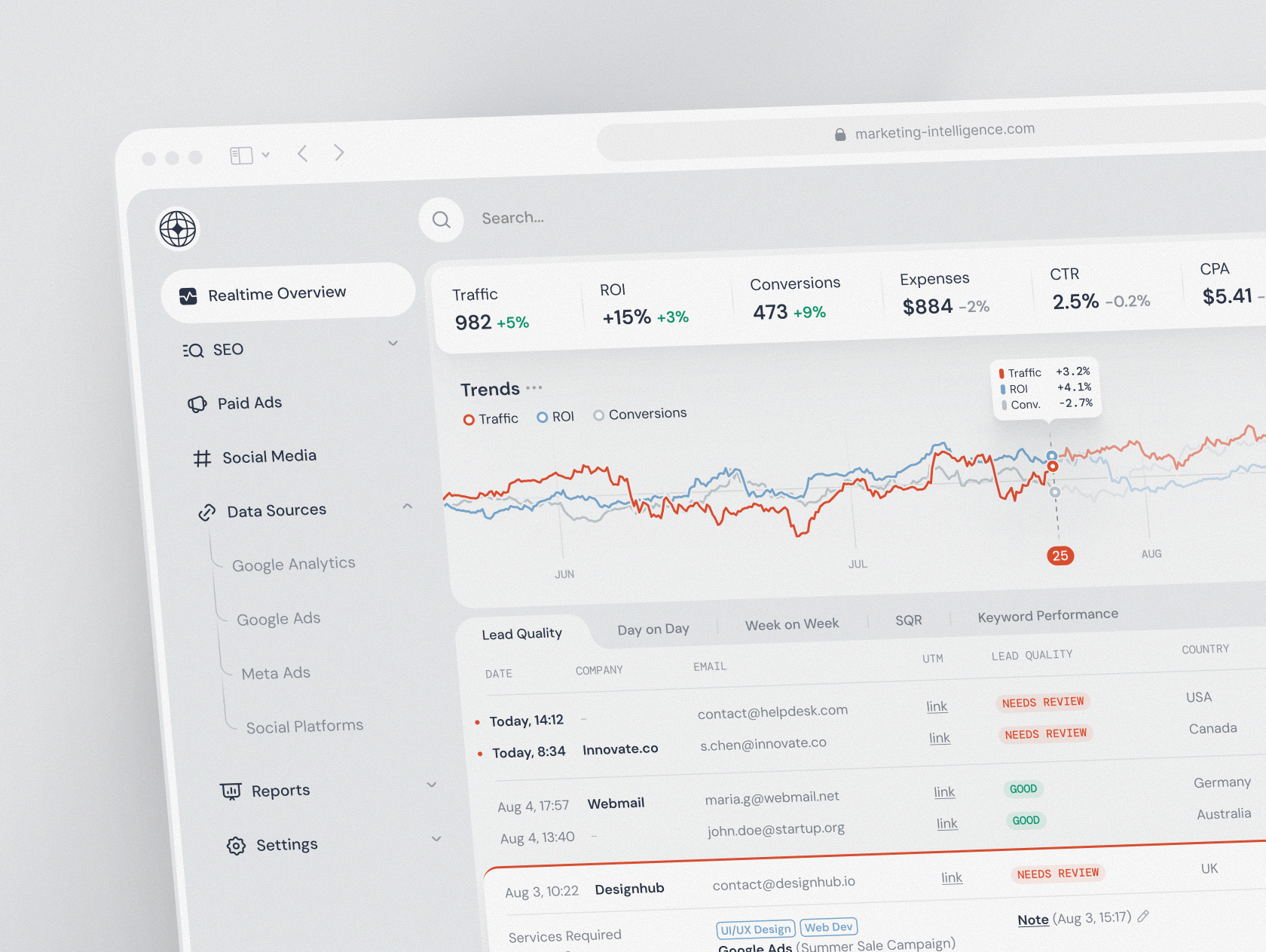
Structural Design of Big Data Systems
Big data infrastructure is typically organized into distinct tiers. Each tier serves a specific function, and clear demarcations between them simplify system comprehension and maintenance.
Data Acquisition Tier
This initial layer is responsible for gathering information from diverse origins, including applications, APIs, server logs, external databases, third-party providers, and IoT devices or streaming endpoints.
Designing this layer requires addressing several operational challenges:
- Which data sources are mission-critical?
- What is the frequency of data arrival?
- What are the failure recovery protocols for disconnected sources?
- Does the system require real-time streaming, scheduled batch uploads, or a combination of both?
For many products, the ingestion phase introduces significant hidden complexity. Source data is often messy—characterized by inconsistencies, duplicates, delays, gaps, or poor documentation. While a well-structured architecture mitigates some issues, successful implementation also demands diligent data engineering practices.
Storage Foundation
The storage tier retains datasets in various states: raw, cleaned, and ready for analysis. Popular solutions include cloud-based object storage (like AWS S3), distributed file systems (such as HDFS), or managed storage offerings from cloud vendors.
However, the physical location of data is less critical than its organization. Factors such as partitioning strategies, naming conventions, lifecycle management rules, access permissions, and file formats significantly impact both operational costs and query performance.
Computation Engine
This layer transforms raw inputs into valuable assets. Tasks here include data cleansing, validation, enrichment, aggregation, feature engineering, and formatting for reporting purposes.
Batch processing remains widespread because many analytical tasks do not require immediate results. Technologies like Apache Spark and Hadoop are staples in this domain. Increasingly, platforms adopt hybrid models, using batch jobs for heavy historical analysis while leveraging streaming engines for time-sensitive events.
Metadata Management and Governance
Without proper metadata, a big data system risks becoming little more than a digital dump with vague assumptions about its contents.
Effective metadata management enables teams to identify dataset contents, ownership, freshness, provenance, and suitability for specific use cases. Governance frameworks enforce policies regarding access control, data lineage, retention schedules, quality standards, and regulatory compliance.
This aspect is frequently postponed during development but proves painful to implement retroactively. In truth, robust metadata and governance are key differentiators between mature, reliable platforms and makeshift solutions.
Access and Query Interface
The final layer provides mechanisms for users and systems to interact with the data. This may involve SQL query engines, RESTful APIs, Jupyter notebooks, visualization dashboards, internal applications, or integrations with external analytics tools.
User experience is paramount at this stage. Even a technically superior platform will fail if analysts struggle to locate datasets, business stakeholders distrust the reports, or internal tools are cumbersome. For web-based analytics products and administrative interfaces, success often depends on blending strong backend data engineering with intuitive web development and thoughtful UX design.
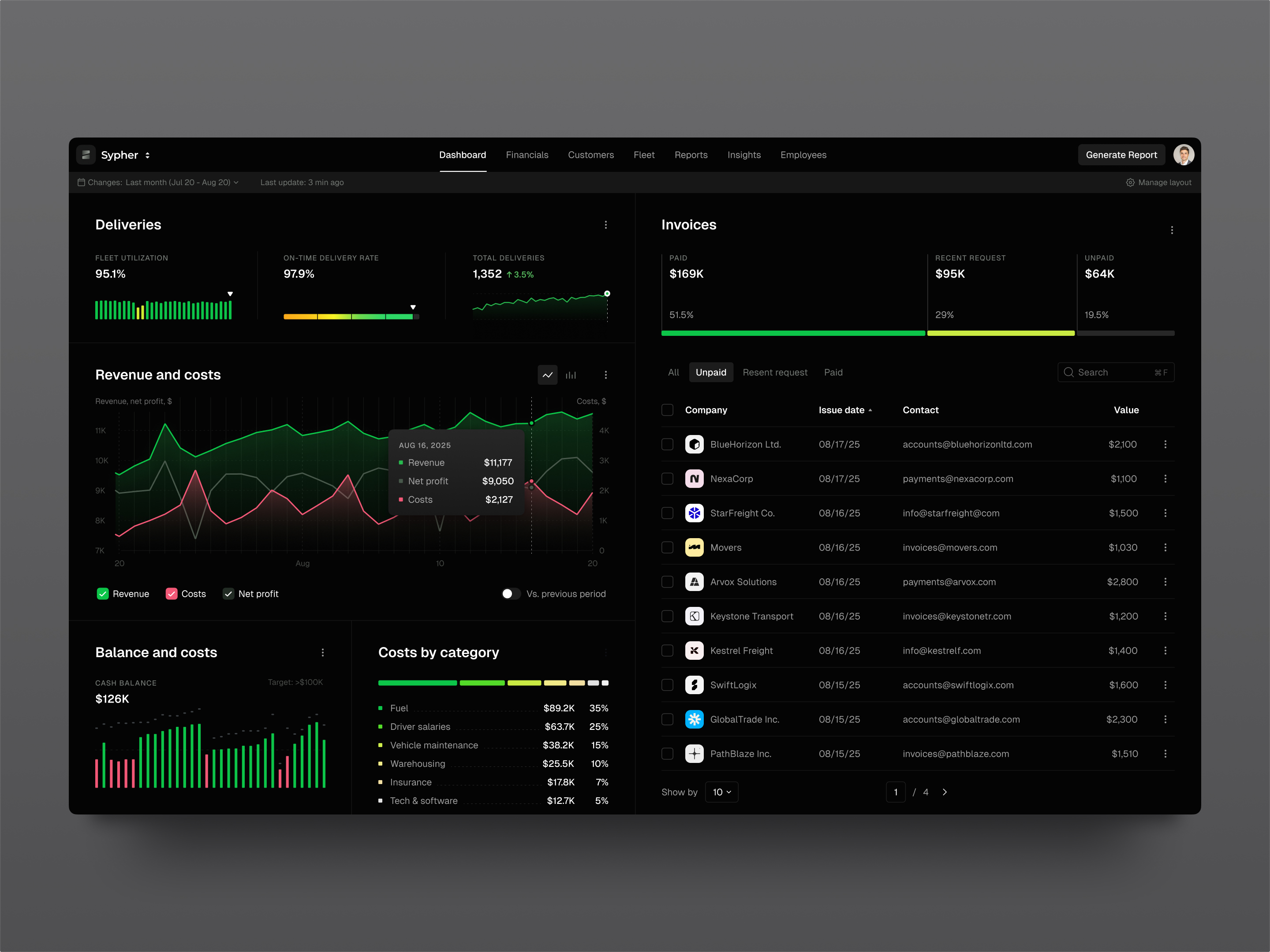
Building a Big Data Platform: A Step-by-Step Guide
While the specifics vary by project scope, most big data initiatives follow a consistent developmental trajectory.
1. Defining Strategy and Objectives
Before selecting any technology, clarify the business justification for the platform.
Address fundamental questions:
- What strategic decisions will this system inform?
- Which data sources are essential?
- What is the current data volume, and what is the projected growth rate?
- Who are the primary consumers: data analysts, end-users, internal teams, AI algorithms, or operational systems?
- How current does the data need to be?
This phase ensures the architecture remains practical. It also prevents over-engineering; often, a simple data warehouse or basic analytics setup suffices for initial needs, avoiding the complexity of a full-scale distributed system.
2. Architectural Planning
This stage translates business strategy into a technical blueprint. Teams must decide between architectures such as data lakes, lakehouses, traditional warehouses, or hybrid models.
Key decisions include choosing between batch processing, real-time streaming, or a combination. Batch processing is generally simpler and more cost-effective, while streaming suits time-sensitive applications but introduces operational overhead. Hybrid approaches offer flexibility but require rigorous engineering standards.
3. Selecting the Technology Stack
Choose tools that align with both workload requirements and your team’s expertise. Adopting unfamiliar technologies can lead to significant delays as staff climb the learning curve.
Common selections include:
- Processing: Apache Spark or Hadoop for distributed computation.
- Storage: Cloud object storage (e.g., AWS S3), HDFS, or native cloud solutions.
- Backend & Automation: Python is a versatile choice for building APIs, automations, and backend services.
- Orchestration: Kubernetes for managing containerized deployments and scaling.
Our development team frequently leverages Python for robust backend systems, automation scripts, and data-intensive products where reliability is paramount.
4. Establishing Ingestion Pipelines
With the architecture defined, engineers build pipelines to move data from source systems into storage. These pipelines must include mechanisms for validation, deduplication, error handling, retry logic, and monitoring.
Though often overlooked, this step is foundational. Unreliable ingestion compromises every downstream asset, including dashboards, machine learning models, and reports.
5. Structuring and Modeling Data
Raw data is rarely ready for direct analysis. Data modeling organizes chaotic inputs into structured datasets aligned with business concepts.
For instance:
- Event streams transform into product usage metrics.
- Transaction logs become customer risk indicators.
- System logs evolve into operational health dashboards.
Effective modeling enhances query performance, reduces computational costs, and increases trust in analytical outputs.
6. Validation and Performance Tuning
Testing in big data extends beyond code execution. Teams must verify data integrity, pipeline stability, transformation accuracy, access controls, system performance, and disaster recovery capabilities.
Optimization is equally critical. Inefficient job designs, poor partitioning, or oversized clusters can silently inflate costs. Fine-tuning these elements can significantly boost speed and reduce expenses without altering core business logic.
7. Launch and Scalability Management
Deployment involves configuring infrastructure, setting up monitoring and alerting, enforcing access policies, documenting processes, and tracking costs.
Scalability should be proactive, not reactive. Systems must be prepared for increases in data volume, user count, processing frequency, or uptime demands. Post-launch support is vital, as real-world usage often reveals unexpected data behaviors and performance challenges.
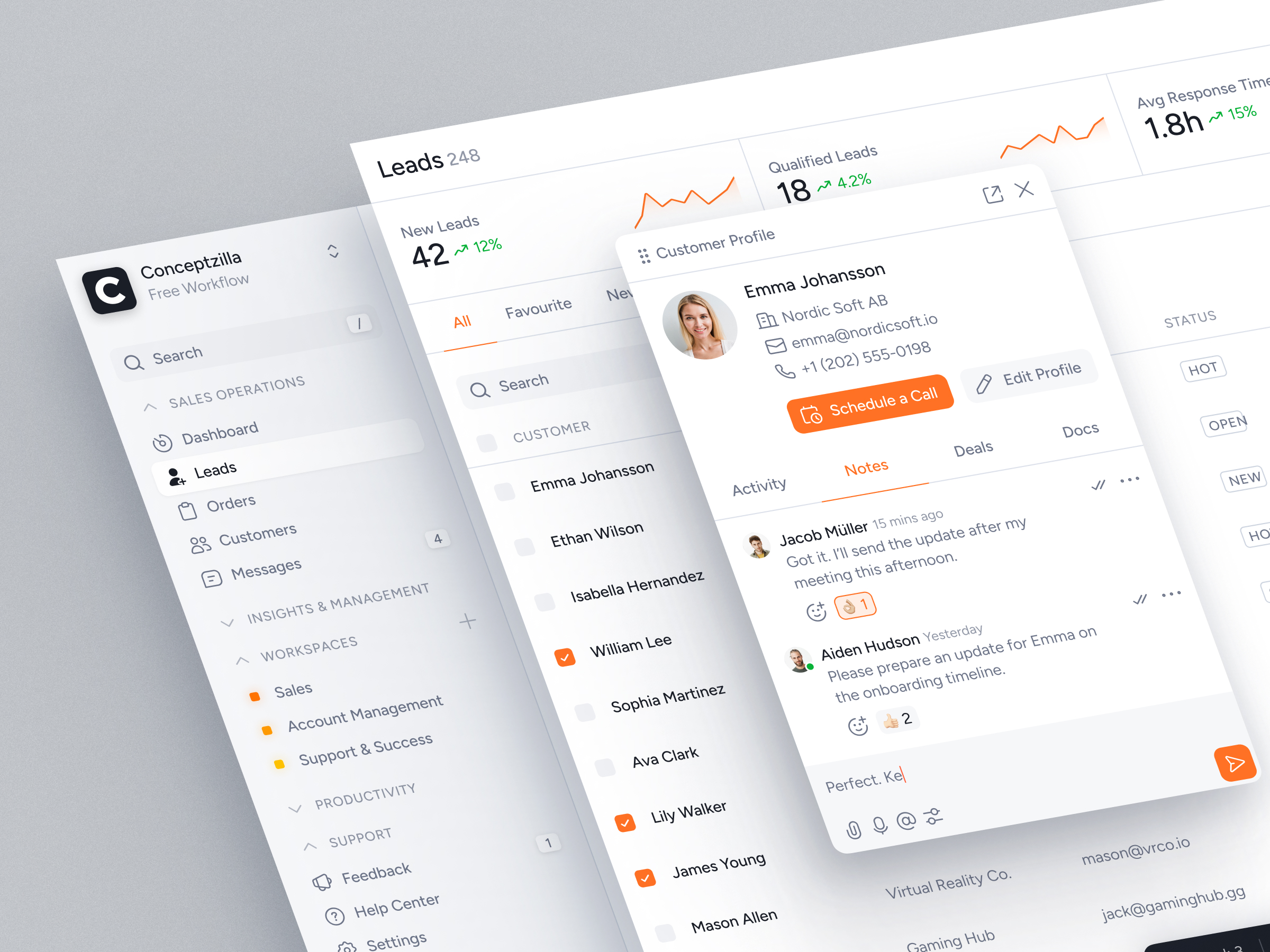
Typical Hurdles in Building Big Data Systems
Uncontrolled Data Expansion
The most visible obstacle is the sheer volume of information. As storage repositories fill up, processing tasks take longer to complete, and queries that once ran smoothly begin to lag significantly.
Escalating Infrastructure Expenses
Distributed architectures can become costly if not managed carefully. Costs spiral when teams over-allocate cluster resources, retain raw data indefinitely without a clear purpose, or execute inefficient jobs on rigid schedules that go unreviewed.
Unexpected Data Quality Issues
Maintaining high data standards is often more difficult than anticipated. Problems such as missing entries, duplicate records, inconsistent naming conventions for events, delayed data arrival, and undocumented changes in source systems can quickly erode user trust in the platform.
Increasing Architectural Complexity
Every new data source, consumer group, or regulatory requirement adds layers of complexity to the system. This is why establishing clear ownership, comprehensive documentation, robust monitoring, and strict governance protocols from day one is essential.
Complexities of Real-Time Streaming
While streaming technologies are powerful for use cases like fraud detection, real-time alerts, and live analytics, they introduce unique engineering challenges. Teams must carefully address issues related to event ordering, retry mechanisms, state management, and latency constraints.
The Value of Partnering with Big Data Experts
Collaborating with a seasoned development firm can significantly reduce the need for costly revisions and rework.
Specialized agencies bring deep expertise in distributed systems, data pipeline engineering, backend architecture, analytics product design, and production-grade infrastructure. This experience helps organizations sidestep common pitfalls, such as over-engineering the initial release, selecting tools that are difficult to maintain, or neglecting governance until the system becomes unmanageable.
Cost efficiency is another critical factor. An effective big data platform does not necessarily require the most complex architecture. In many cases, the optimal strategy involves starting with a streamlined data lake, a few robust pipelines, and a clear roadmap for future enhancements. Conversely, some products genuinely require a large-scale distributed infrastructure from the outset.
The key lies in accurately assessing which scenario applies to your specific needs.
Conclusion
Big data solutions guide information through a comprehensive lifecycle: ingestion, storage, processing, organization, access, and ultimately, actionable insight. Each stage directly influences the success of the next.
The most successful platforms typically share three defining characteristics:
- Their architecture is tightly aligned with specific business objectives.
- Their data is structured and governed in a way that fosters user trust.
- Their infrastructure is designed with operational efficiency and cost management in mind, rather than focusing solely on theoretical scalability.
About the Creator
Shakuro
We are a web and mobile design and development agency. Making websites and apps, creating brand identities, and launching startups.
Enjoyed the story? Support the Creator.
Subscribe for free to receive all their stories in your feed.
Comments
There are no comments for this story
Be the first to respond and start the conversation.