
Beyond Venture Capital: How Grant Funding Is Powering Australia's Renewable Energy Startups
Renewable Energy Startups Funding in Australia

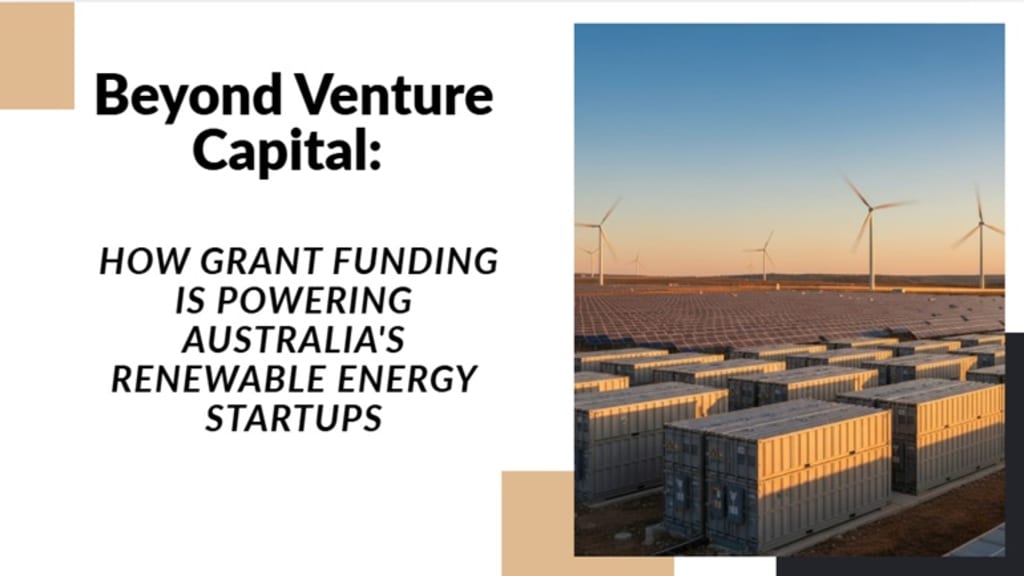
A friend of mine spent three years developing a battery component before she had anything resembling a sellable product. No VC in the country was going to touch that. It wasn't because the idea was bad — it was because venture capital is built for speed, and hardware doesn't move at that speed. This is the quiet reality behind a lot of renewable energy startups in Australia: the technology takes longer to mature than the typical funding model expects, so founders end up leaning on grants a lot harder than the startup headlines would suggest.
VC Math Doesn't Work for Climate Tech
Most venture funds are structured around a return within seven to ten years. That's fine if you're building software and can iterate in weeks. It's a much tighter squeeze if you're testing solar materials, running grid pilots, or waiting on safety certification that simply takes as long as it takes. Investors aren't being unreasonable when they pass on early-stage climate hardware — the timeline genuinely doesn't fit their model.
That's really the whole case for grant funding. It doesn't ask for equity, and nobody's expecting a hockey-stick growth chart in year two. For founders working on something that just needs time, that changes what's actually survivable.
The Grants Worth Knowing About
There's more on offer here than most first-time founders realise, and it's worth actually digging into rather than assuming grants are only for university spin-offs.
The R&D Tax Incentive is probably the most useful one day-to-day — it offsets the cost of eligible research, which matters a lot when you're running expensive rounds of testing that don't produce revenue. The Industry Growth Program pairs funding with actual advice, and clean energy ventures show up in that pipeline often. State innovation grants are hit and miss depending on where you're based, but a few states have programs specifically carved out for energy and sustainability work, so it's worth checking what your state actually offers rather than assuming it's the same everywhere. And if your product leans on real scientific research, the CSIRO Kick-Start Program is worth a proper look — it gets you access to CSIRO's own research capability, not just money.
None of it costs you a slice of the company. It does cost you time, and a genuinely well-written application, which is honestly where most founders lose momentum. The paperwork isn't glamorous, but treating it as an afterthought is usually the mistake.
Grants First, Then Private Money
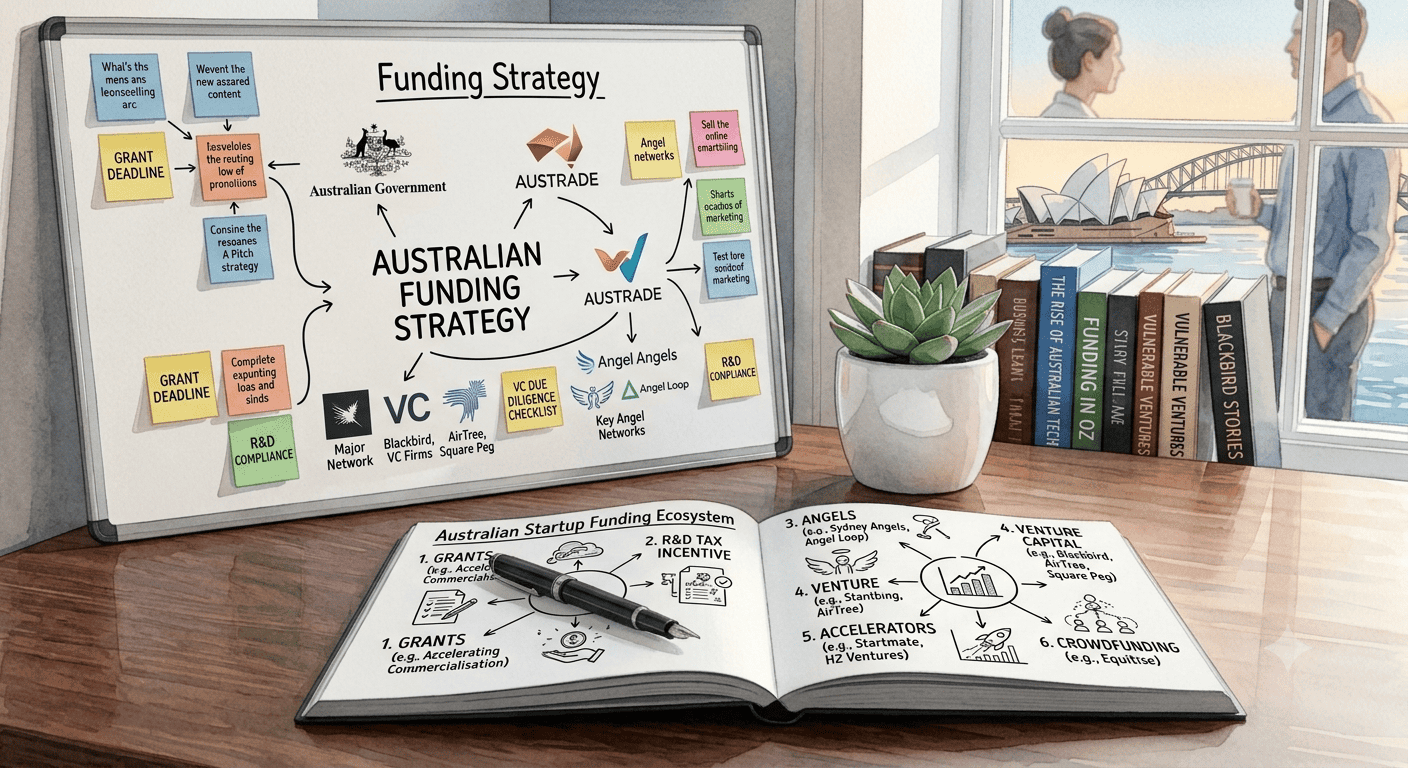
The founders who handle this well don't pick a lane and stay in it. They use grant funding to get through the expensive, unproven research phase — the part private investors don't want near — and then bring in angel or VC money once there's something to actually show. A working prototype. Pilot data. Something more concrete than a slide deck.
That order matters for how the pitch lands later too. Investors looking at a renewable energy startup want proof, not potential. A pilot that came out of a grant, or a partnership through something like CSIRO Kick-Start, does a lot of that convincing for you. It's the difference between telling someone your tech works and being able to show them.
Where to Actually Start
If you're building something in this space, don't open with a venture capital conversation. Start by figuring out which grants your current stage actually qualifies for. It's usually faster to access than you'd expect, it doesn't touch your ownership, and it's genuinely built for the kind of slow, technical work renewable energy requires.
The applications take effort, no way around that. But founders who put in the same care they'd put into an investor pitch — a clear problem, a credible plan, numbers that add up — tend to come out the other side in a much stronger position than the ones who treat it as a formality.
If you want the wider picture on how startup funding works in Australia more broadly, including how the different funding types compare and what investors look for before writing a cheque, this guide to startup funding in Australia is a good place to start before narrowing in on grants specifically.
About the Creator
Kate Brownell
Independent Teacher, Freelance Writer, Conservationist, Eco Friendly Environment Crusader. A life hack writer by choice. Published articles on Ezines and Lifehacker.
Enjoyed the story? Support the Creator.
Subscribe for free to receive all their stories in your feed.
Comments
There are no comments for this story
Be the first to respond and start the conversation.