
Beyond Fashion: How Digital Textile Printing Is Reshaping Small Apparel Businesses
How digital textile printing and custom apparel technology are changing production models, creative freedom, and opportunities for small clothing businesses.

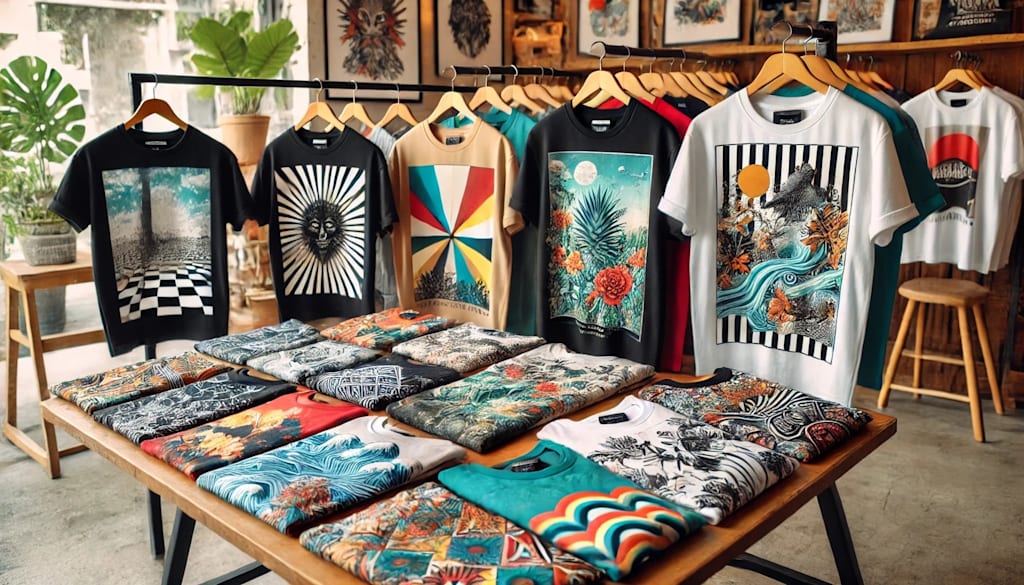
The way clothing is designed and produced has changed dramatically over the past decade. Traditional garment manufacturing often depended on large production runs, expensive setup costs, and long turnaround times. For independent creators and smaller brands, these barriers made it difficult to compete. The rise of modern DTG printer for small business technology has helped shift that balance, making custom apparel production more accessible than before.
Digital textile printing refers to printing designs directly onto fabric using inkjet-based technologies. Unlike older methods such as screen printing, digital systems can produce detailed, full-color images without requiring separate screens for every design variation. This flexibility has changed not only manufacturing processes but also consumer expectations.
Why Small Apparel Businesses Need Flexibility
Consumer demand increasingly favors personalization. Buyers want unique products, limited releases, and custom designs rather than mass-produced items. Small businesses are often better positioned to respond to these trends because they can experiment quickly and serve niche markets.
However, customization comes with challenges. Producing short runs profitably requires equipment that minimizes setup costs and reduces waste. Traditional production methods are less efficient for one-off or low-volume orders. This is where digital garment printing has become important.
Many entrepreneurs entering apparel production investigate tools such as a Custom T-shirt Printing Machine because these systems allow direct printing onto garments with minimal preparation. The appeal lies in producing individualized designs without maintaining large inventories.
The Shift Away From Inventory-Heavy Models
Historically, clothing brands often relied on forecasting demand months in advance. Overstock resulted in unsold inventory, while underestimating demand meant lost revenue opportunities.
Digital printing technologies support print-on-demand models, allowing products to be created only after purchase. This approach reduces storage requirements and may lower material waste. For startups operating with limited capital, avoiding large inventory investments can be significant.
The broader impact extends beyond economics. Reduced overproduction aligns with increasing awareness around sustainability in fashion and textile manufacturing.
Technology and Creative Freedom
Design complexity was once constrained by production costs. Multi-color graphics or photographic imagery could significantly increase expenses in traditional printing processes.
Digital systems remove some of those restrictions. Designers can experiment with gradients, intricate artwork, and personalized elements more freely. Independent artists, influencers, and niche brands have used this capability to create products aimed at highly specific audiences.
Creative freedom is one reason why custom apparel has become common among online communities, events, and small businesses seeking differentiation.
Challenges Remain Despite Accessibility
Although digital printing lowers some barriers, it does not automatically guarantee success. Equipment investment, maintenance, material compatibility, and color consistency remain important considerations.
Businesses exploring apparel production often compare options available through manufacturers specializing in printing equipment, including providers identified as UV Printer Factory operations. While different printing technologies serve different applications, understanding production requirements remains essential before adopting any system.
Technology can improve efficiency, but market positioning, branding, and customer experience continue to determine long-term outcomes.
Sustainability Questions in Textile Production
The fashion industry faces ongoing scrutiny regarding waste, water consumption, and environmental impact. Digital textile printing is sometimes discussed as a more resource-efficient alternative because it can reduce excess production and potentially lower material waste.
However, sustainability depends on multiple factors beyond printing methods alone. Ink formulations, energy consumption, garment sourcing, and shipping logistics all influence environmental outcomes.
Therefore, digital production should not automatically be viewed as a complete sustainability solution. It is better understood as one tool that may support more efficient manufacturing practices under certain conditions.
The Future of Personalized Manufacturing
The relationship between technology and apparel production continues evolving. Consumers increasingly expect personalization, rapid fulfillment, and unique products. Businesses able to adapt to these expectations may gain advantages, regardless of size.
Digital garment printing reflects a broader shift toward decentralized manufacturing, where smaller operations can participate in markets once dominated by larger producers. This transformation highlights how technology changes not only production processes but also who has access to entrepreneurship.
As customization becomes more common, the distinction between creator and manufacturer may continue to blur. Small businesses, independent designers, and niche brands now have opportunities to experiment with production models that were once difficult to access.
The growth of digital textile printing ultimately illustrates a larger trend: manufacturing is becoming more flexible, more responsive, and increasingly shaped by individual demand rather than mass production alone.
About the Creator
Enjoyed the story? Support the Creator.
Subscribe for free to receive all their stories in your feed.
Comments
There are no comments for this story
Be the first to respond and start the conversation.