
Between Intimacy and Identity: How Design, Culture, and Consumer Trends Intersect
From realistic companionship products to everyday fashion staples, shifting preferences reveal deeper stories about modern identity and personalization

Introduction
In recent years, consumer culture has expanded in directions that reflect not only technological progress but also evolving social values. Products that once existed at the margins—whether highly personalized companionship items or niche fashion categories—are now part of broader conversations about identity, comfort, and self-expression. Examining these trends side by side reveals how design, customization, and cultural acceptance are shaping the way people interact with both objects and themselves.
The Evolution of Companionship Products
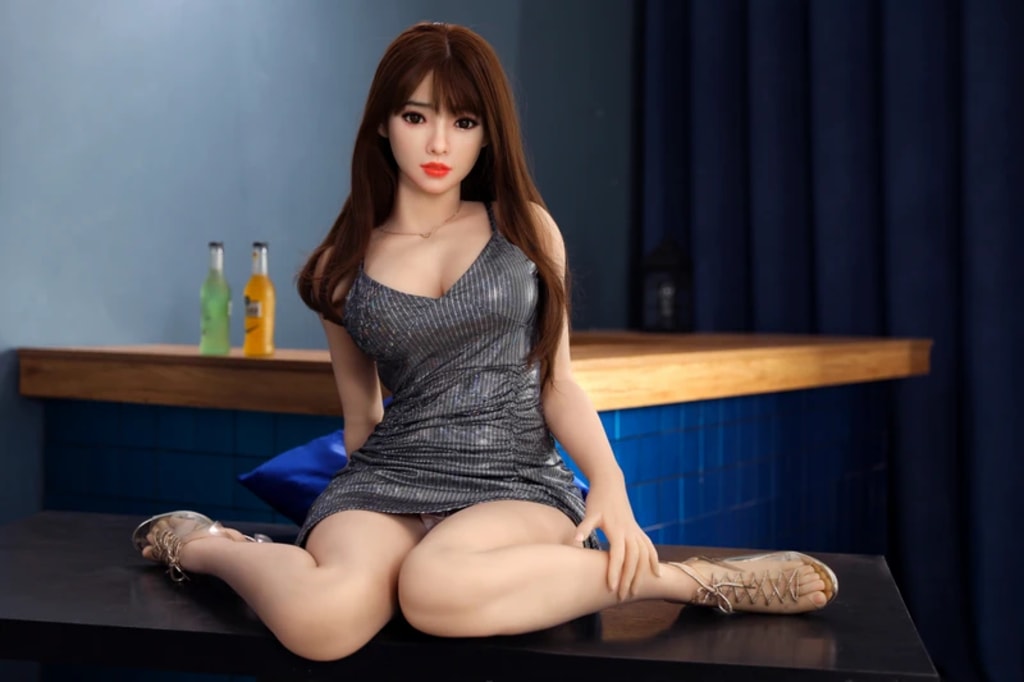
One area that has drawn increasing attention is the development of highly detailed companionship products, commonly referred to as sex dolls. According to discussions around the concept of a sex doll (Muñeca sexual), these objects have evolved far beyond their early, simplistic forms. Today, they are often designed with advanced materials and lifelike features, reflecting a growing demand for realism and personalization. Rather than existing purely as novelty items, they are now part of broader debates about technology, loneliness, and human connection.
The Role of Realism and Customization
The emphasis on realism is particularly notable. Terms like realistic sex doll (Muñeca sexual realista) and brand of realistic sex dolls highlight how manufacturers have responded to consumer interest in authenticity. This shift is not purely aesthetic; it also signals a deeper desire for products that feel tailored and individualized. Similarly, the concept of customized sex doll brand underscores how personalization has become central to modern product design, allowing users to define features according to their preferences.
Fashion and Everyday Personal Expression
At the same time, this trend toward customization is not limited to intimate products. It is equally visible in mainstream fashion, particularly in everyday clothing categories. For example, items like Short Sleeve Polo Shirts and Short Sleeve Polo Shirts for men demonstrate how even simple garments have become vehicles for personal expression. Variations in fit, fabric, and style allow individuals to align their clothing choices with their identity, whether casual, professional, or somewhere in between.
Shared Themes Across Industries
Interestingly, both industries—despite their obvious differences—share a common thread: the prioritization of user-centered design. Whether someone is choosing Man Short Sleeve Polo Shirts or exploring products from what some might describe as the best sex doll brand, the underlying motivation often revolves around comfort, individuality, and alignment with personal preferences.
Ethical and Social Considerations
However, these developments also raise important questions. As products become more personalized and lifelike, where should society draw the line between utility and emotional reliance? In the case of companionship technologies, critics argue that increasing realism could blur distinctions between human relationships and artificial substitutes. Supporters, on the other hand, suggest that such innovations can provide comfort, particularly for individuals experiencing isolation.
Similarly, in fashion, the abundance of choice can be both empowering and overwhelming. While customization allows for greater self-expression, it also reflects a consumer culture that increasingly equates identity with purchasing decisions. The challenge, then, lies in balancing personal freedom with mindful consumption.
Cultural Shifts and Acceptance
Another dimension worth considering is cultural perception. Products that were once stigmatized are gradually entering mainstream discourse, not necessarily because they have changed fundamentally, but because societal attitudes are evolving. Open conversations about topics that were previously considered taboo indicate a broader shift toward acceptance and transparency. This is evident in how both intimate products and everyday apparel are now discussed in terms of design, innovation, and user experience rather than judgment.
Conclusion
Ultimately, these trends point to a larger narrative: modern consumers are seeking products that resonate with their sense of self. Whether through the tactile familiarity of a well-fitted polo shirt or the technological sophistication of a highly customized object, the goal is often the same—to feel understood, represented, and comfortable.
As industries continue to innovate, the intersection of technology, culture, and design will likely become even more pronounced. The key question is not simply what people are buying, but why. Understanding that “why” offers valuable insight into how identity, connection, and consumption are being redefined in the 21st century.
About the Creator
OptimisticSoul
OptimisticSoul: always seeing the good in every situation. Favorite hobby: spreading positivity and good vibes. Secret talent: turning any frown upside down.
Enjoyed the story? Support the Creator.
Subscribe for free to receive all their stories in your feed.
Comments
There are no comments for this story
Be the first to respond and start the conversation.