
Asphalt Batching Plants Heavy-Duty Configuration Drives Price Through Screening and Bin Engineering
Asphalt Batching Plants Heavy-Duty Configuration Drives Asphalt Batch Mix Plant Price Through Screening and Bin Engineering

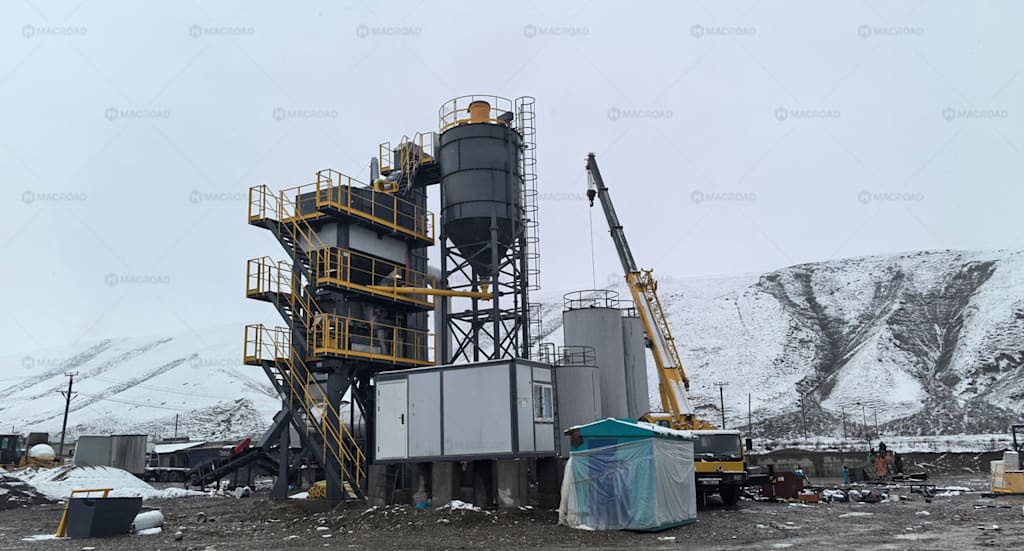
Evaluating high-capacity industrial asphalt batching plants for large-scale highway networks without understanding how multi-stage screening deck configuration and hot bin capacity engineering affect both installation timeline and asphalt batch mix plant price is comparing equipment on rated output while leaving the two structural variables that most directly govern project readiness and total capital expenditure unexamined. The price differential between a heavy-duty highway-grade configuration and a standard entry-level alternative is not arbitrary market segmentation — it reflects genuine engineering additions whose absence in lower-tier configurations produces gradation non-compliance, extended installation timelines, and capacity limitations that large-scale highway network contracts expose within the first production month.
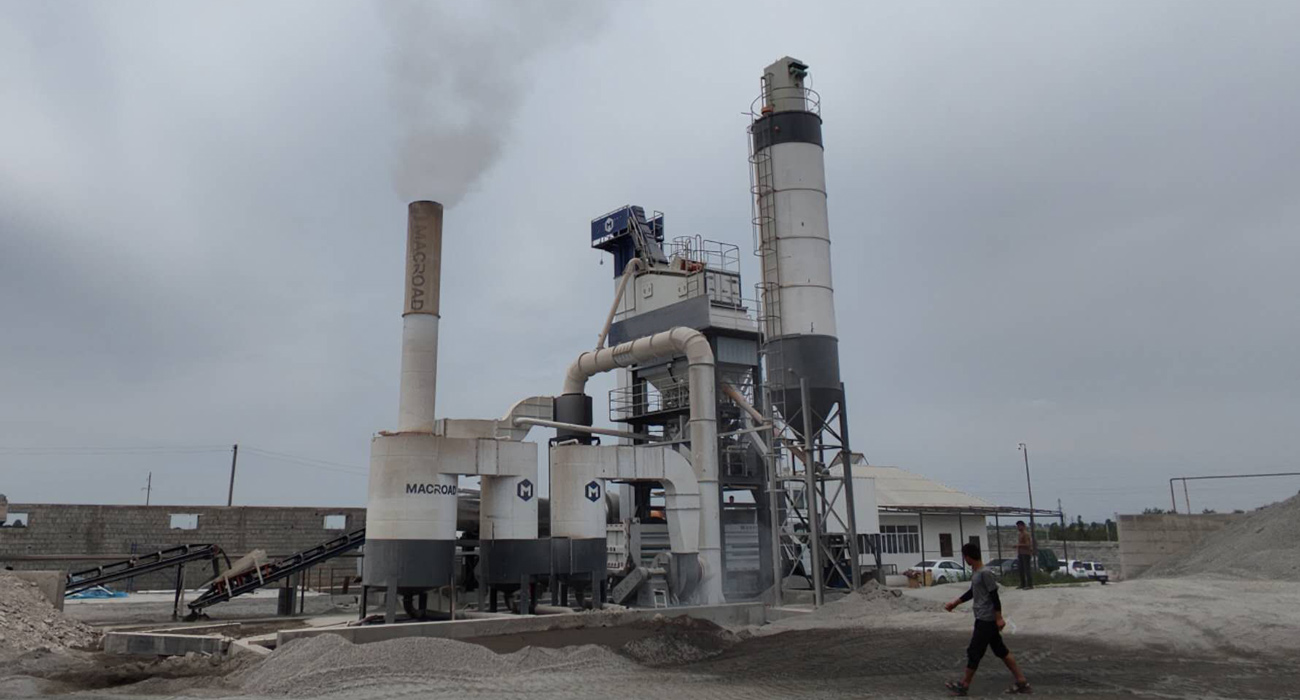
How Multi-Stage Screening Deck Engineering Affects Asphalt Batching Plants Installation Timeline
Multi-stage screening deck assemblies in high-capacity asphalt batching plants represent the tower component with the highest structural complexity and the most demanding installation precision requirement. A four-deck screening assembly whose individual decks carry independently specified apertures, vibration drives, and overflow channels must be lifted, aligned, and connected within the tower structure to dimensional tolerances that affect both gradation accuracy and mechanical clearance between adjacent decks. This installation precision requirement extends tower erection time beyond what single or dual-deck entry-level configurations demand — not because the work is more difficult per operation, but because more operations require sequential completion before the screening assembly is structurally complete.
Screen deck count scales directly with fraction count requirement — highway network mix designs specifying multiple aggregate size fractions need screening assemblies that separate each fraction cleanly under sustained high-throughput production. Entry-level asphalt batching plants with reduced deck count compromise fraction separation at peak production rates, producing gradation carry-over that fails specification tolerances on highway contracts where independent aggregate fraction control is a contractual requirement.
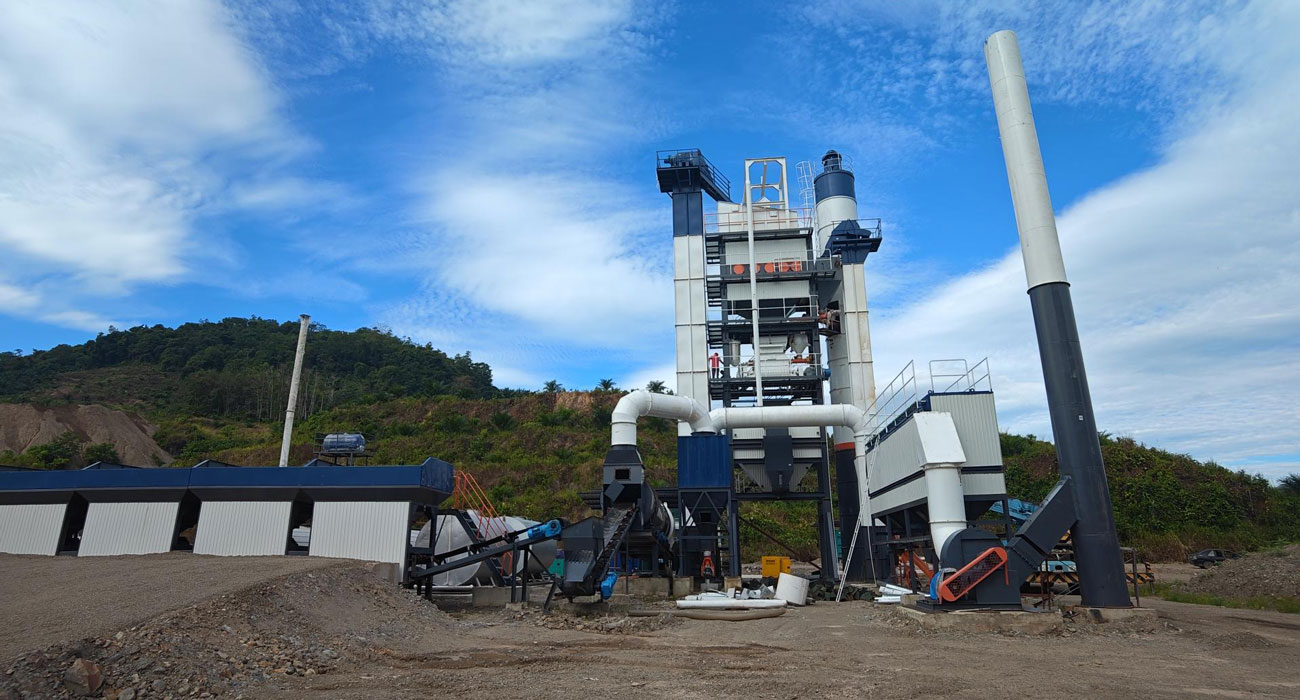
Hot Bin Capacity Engineering and Its Asphalt Batch Mix Plant Price Impact
Hot bin capacity in high-capacity asphalt batching plants is sized against the combined weigh hopper cycle demand at rated throughput — ensuring that each bin fraction maintains adequate inventory to sustain continuous batch production without starving the weigh hopper during consecutive cycles. Heavy-duty highway configurations carry substantially larger hot bin volumes than entry-level alternatives, requiring taller tower structures, heavier bin wall plate specifications, and more complex structural framing that supports both the bin dead load and the dynamic load variation from rapid fill-and-discharge cycling.
This structural addition directly drives asphalt batch mix plant price above entry-level baselines through steel tonnage increase, fabrication complexity, and foundation engineering scope that larger bin structures impose. The price premium is recoverable against the production continuity value that adequate hot bin capacity delivers — a weigh hopper that never starves maintains the batch cycle rate the plant's rated output assumes, while undersized bins create production interruptions that reduce actual throughput below rated capacity without any mechanical fault occurring.
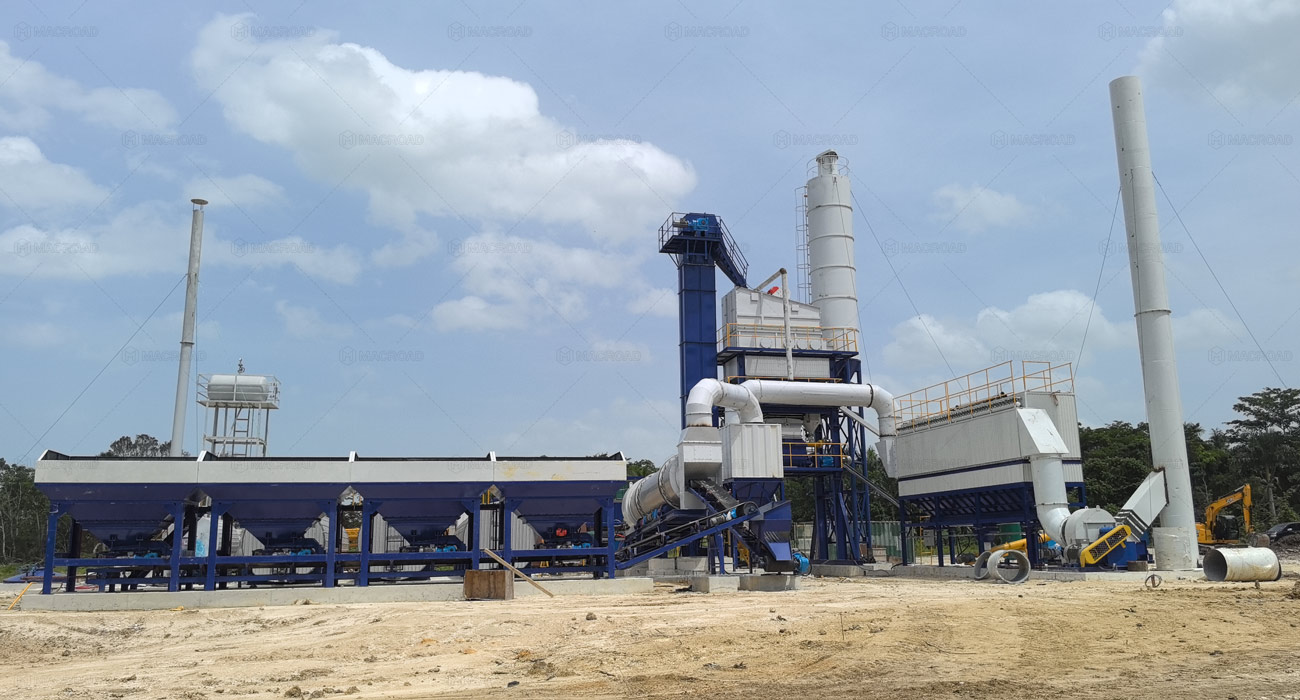
Structural Complexity Accumulation Across Combined Heavy-Duty Specification
The asphalt batch mix plant price gap between heavy-duty highway configurations and standard entry-level asphalt batching plants does not originate from a single specification addition — it accumulates across the interaction between screening deck count, hot bin volume, elevator capacity sized to sustain peak aggregate elevation demand, and the structural framing that supports the combined assembly at operating weight. Each specification increase creates downstream structural requirements that entry-level configurations avoid by accepting the production limitations those downstream constraints exist to prevent.
Installation timeline extension on heavy-duty asphalt batching plants follows the same accumulation pattern. Tower erection sequencing for a complex multi-deck, large-bin configuration involves more lift operations, more precision alignment procedures, and more inter-component connection verification than entry-level installation requires — extending the mobilization period before first production in proportion to the structural complexity that highway contract performance demands.
Conclusion
High-capacity asphalt batching plants carry an asphalt batch mix plant price premium above entry-level configurations that reflects multi-stage screening deck engineering, expanded hot bin capacity, and the structural complexity their interaction generates — a premium whose recovery timeline against highway network production continuity, gradation compliance, and reduced weigh hopper starvation frequency is shorter than the price gap between heavy-duty and standard configurations suggests at the procurement stage.
About the Creator
Macroad Asphalt Plant
Macroad, a global leading manufacturer in asphalt mixing plants, offers a wide range of specifications to meet diverse project needs. Its high-quality, efficient equipment is widely applied in road construction.
Enjoyed the story? Support the Creator.
Subscribe for free to receive all their stories in your feed.
Comments
There are no comments for this story
Be the first to respond and start the conversation.