
AI Chip Startup Etched Defies Skeptics with $10.3B Valuation Following $300M Series C
The three Harvard dropouts behind Etched have doubled their valuation in just seven months, proving that specialized AI silicon is no longer a fringe concept.

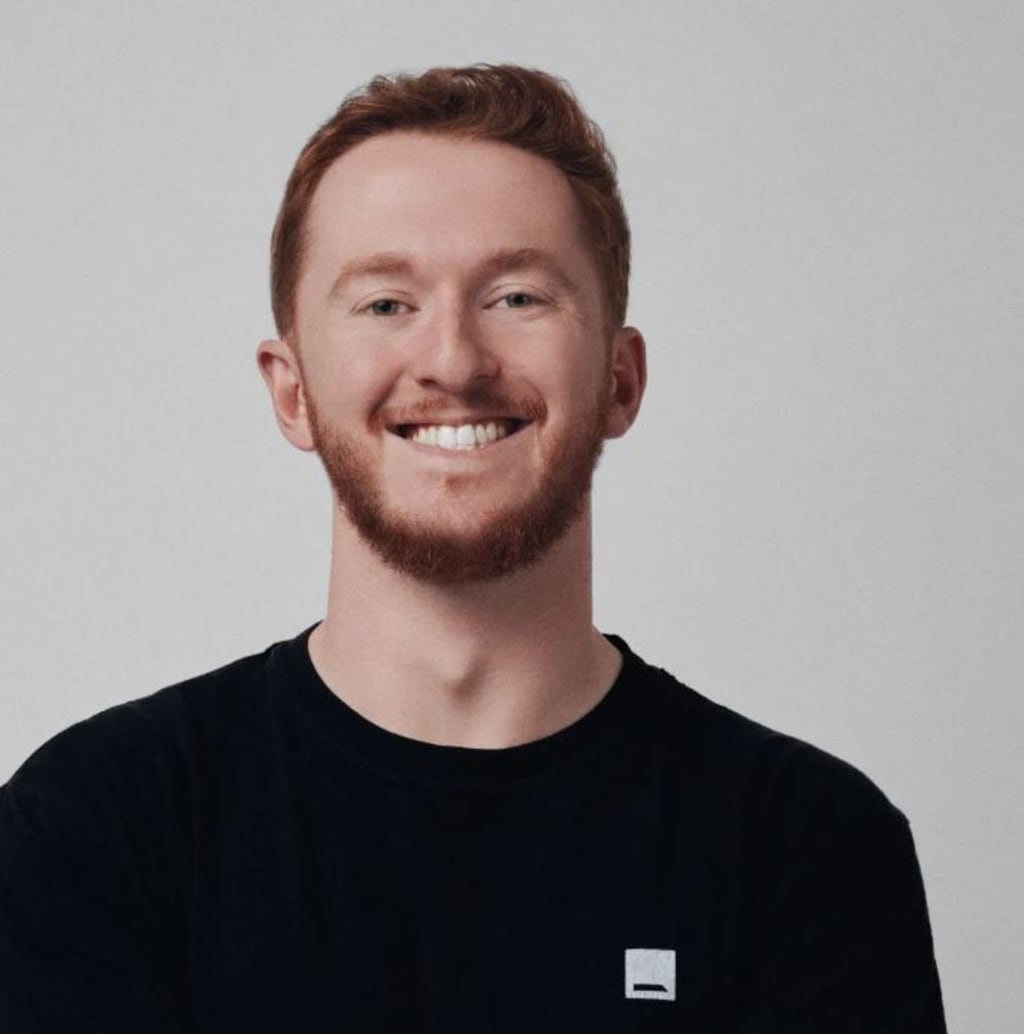
Etched, the AI chip startup founded by three Harvard dropouts in 2022, has closed a $300 million Series C funding round at a staggering $10.3 billion valuation, co-founder and COO Robert Wachen told TechCrunch. The round was led by Sequoia, with participation from Andreessen Horowitz, SK Hynix, Jane Street, and Diffusion Capital, alongside earlier investors including Peter Thiel, Andrej Karpathy, Dylan Field, and Amjad Masad.
The latest funding represents a remarkable trajectory for the young company. Etched was previously valued at $5 billion in December when it raised a $500 million round, meaning it has doubled its valuation in approximately seven months. The company claims this is the highest valuation ever for a Sequoia-led Series C round.
From Doubters to Believers
Etched launched at a time when building a chip specifically for AI models based on transformer technology the architecture behind most modern AI systems, including ChatGPT and Claude, was considered a wild and wacky idea. The company is still battling the perception that its products, which are sold as full systems rather than just chips, involve silicon designed to run only specific large language models.
That's not the case, Wachen explained. The systems can run any AI model, including Mixture of Experts models like DeepSeek and Qwen an architecture that splits tasks across specialized sub-models rather than relying on one large model as well as non-transformer designs like Mamba, which is built on a different underlying architecture known as a state-space model.
Interestingly, the idea of etching parts of a specific AI model directly into silicon to boost performance is no longer considered far-fetched. Google is reportedly pursuing the same concept with its Frozen v2 chip for Gemini, validating the approach that Etched pioneered.
Technical Innovation: Redefining Inference
Etched's claim to fame today is that it designed two new components from scratch to speed up inference the computing process that happens after a user submits a prompt. Wachen explained that inference is built in two stages: prefill and decode.
The "prefill phase" involves understanding the prompt, including context. It's mathematically and compute-intensive. The "decode phase" generates the output tokens the actual answer the user sees. It requires less computation but needs massive amounts of memory.
Etched created a prefill chip that operates "dramatically" faster by running at a much lower voltage than any other AI chip. This lower voltage generates less heat, which allows the chip to pack in more transistors. For the decode process, Etched created a new type of memory and interconnect technology called "cluster-scale memory," which allows many chips to connect together and use a shared memory pool at very fast, low latency. The result, Etched promises, is high speeds but lower costs.
Early Validation and Growing Orders
Last month, Etched announced that it had successfully manufactured its homegrown chips, that its first full systems were being tested by clients, and that it had already booked $1 billion worth of orders. The company's ability to secure such significant commitments before mass production speaks to the demand for its specialized AI hardware.
Because the startup was launched before most of the tech world, besides Nvidia, understood AI's specialized compute needs, the founders have faced plenty of skeptics who kept doubting even after the company announced that its first batch of silicon had been successfully manufactured by TSMC. Much of that skepticism stems from how few people have had access to the systems.
So far, access has been limited to investors and early customers. In fact, that's how Etched landed its list of famous investors in the first place by showing them private demos in its office.
"Andrej Karpathy from Anthropic, Noam Brown from OpenAI, Geoffrey Hinton, as well as all the investors in the funding round these are all people who actually tried the hardware and are very excited about it," Wachen said.
A Humble Beginning
The journey to this point has been anything but easy. The trio famously dropped out of Harvard to launch Etched, not knowing then how to raise cash much less the loads of it they would need or how to hire. Wachen recalls landing in the Bay Area after telling his parents he was leaving school to do a startup, with no office or apartment arranged. He slept on the floor of a friend's unfurnished house.
"I remember staying in my friend's house that they were about to sell, using a towel as a blanket," he laughed. The founders eventually set up the servers they needed to run the chip-design tools in the garage of an early employee, and every time it needed to be rebooted, the employee's wife would go and hit the reboot button.
"We had no idea how hard it was going to be," Wachen said. "I think we still have to be humbled by what it will take to actually get to scale."
Scaling Up
Today, Etched employs 400 people bustling in an office and operates a 2-megawatt data center. The company just opened a new 80,000-square-foot, 10MW facility in Milpitas, down the road from its main San Jose office.
"We're running tokens in our lab today, working with some of the largest AI companies in the world," Wachen said.
And yes, he now has a blanket, a mattress, "and a pillow even. Multiple pillows," he joked. More importantly, he and his co-founders never let the doubters stop them.
"It's come a long way. It's a very, very different world. But I think, when you really think something's possible, and you just work at it for a long time, you can do it," he said.
Etched's meteoric rise from a dorm-room idea to a $10.3 billion AI chip powerhouse is a testament to the founders' vision and perseverance. As the company scales its operations and delivers on its billion-dollar order book, it is poised to become a major player in the AI hardware space, challenging established giants and reshaping how AI inference is performed.
With strong backing from top-tier investors and growing industry validation, Etched is proving that the skeptics were wrong and that specialized AI silicon is not just the future, but the present.
About the Creator
Mark Lim
Hi I am mark an automotive student and a car, tech and food enthusiast ! Im gonna try and post daily & hope you enjoy what I write and do share my page with people you know. I would gladly appreciate it! Cheers
Enjoyed the story? Support the Creator.
Subscribe for free to receive all their stories in your feed.
Comments
There are no comments for this story
Be the first to respond and start the conversation.