
African Defense Tech Startup Terra Raises Additional $18M as It Targets $100M in Contracts
The company, which is building autonomous drones and combat vehicles, has now raised $52 million in total seed funding and plans to expand manufacturing across the Global South.

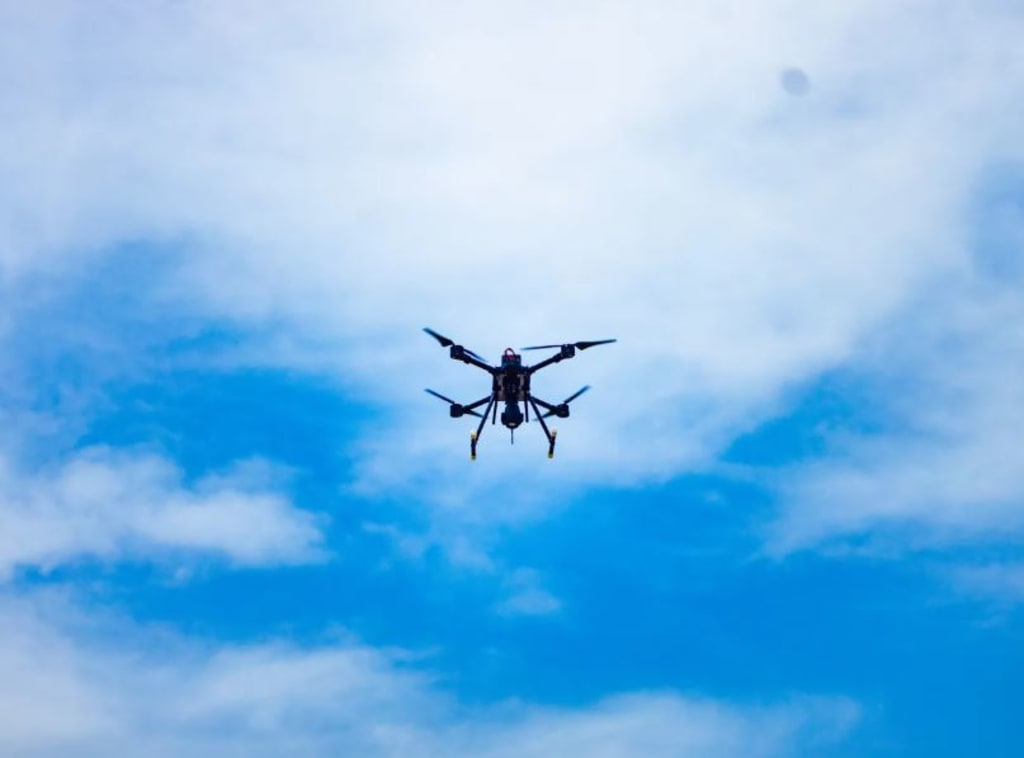
African defense tech company Terra Industries on Monday announced an additional $18 million in funding, bringing its seed round to $52 million. Investors in the round include Joe Lonsdale's 8VC, Silent Ventures, and Nova Global.
Since its launch back in 2024, Terra has become one of the hottest names in the African defense tech space, with plans to build autonomous systems and other infrastructure like drones and mine-detecting combat vehicles. The company says it's on track to book $100 million in contracts, including at least one federal contract, and generate revenue in the tens of millions of dollars by year's end.
A Rapidly Growing Startup
The additional $18 million brings Terra's total seed funding to $52 million, a significant sum for a startup less than two years old. Earlier this year, Terra announced back-to-back funding rounds of $11.75 million and $22 million, respectively, demonstrating strong investor confidence in the company's vision and execution.
8VC, the venture capital firm founded by Joe Lonsdale, is also a backer of U.S. defense heavyweight Anduril, which is said to be in talks to raise funding at a $100 billion valuation, as well as Shield AI. The involvement of 8VC in Terra's funding rounds provides a strong signal of the company's potential and credibility in the defense tech space.
The other investors in the round, Silent Ventures and Nova Global bring additional expertise and networks that can support Terra's growth. Silent Ventures, in particular, has a focus on defense and security technology, while Nova Global has experience in emerging markets.
The African Defense Tech Landscape
Terra said its competition right now is any defense company that has won government contracts, especially suppliers from Turkey, China, and the West. The African defense market is characterized by fragmented supply chains, with many countries relying on multiple international contractors for their defense and security needs.
As TechCrunch previously reported, although terrorism remains one of Africa's biggest threats, many of the countries in the continent depend on the West, Russia, or China for security intelligence. Countries in this region often work with numerous international contractors, meaning their defense supply chains are fragmented and therefore easily destabilized.
This fragmentation creates both challenges and opportunities. On the one hand, it makes it difficult for African countries to build coherent and reliable defense capabilities. On the other hand, it creates a market opportunity for companies like Terra that can offer integrated solutions and become the dominant player in the ecosystem.
Terra says it wants to solve that by becoming the biggest player in the ecosystem for equipping countries with military and critical defense infrastructure. By providing locally relevant solutions and building a strong presence in the region, the company aims to reduce the continent's dependence on external suppliers.
Terra's Products and Capabilities
Terra is building a range of autonomous systems and infrastructure for defense and security applications. These include drones for surveillance and reconnaissance, mine-detecting combat vehicles, and other critical defense infrastructure.
The company's focus on autonomy is particularly relevant in the African context. Autonomous systems can operate in challenging environments where human operators may be at risk, and they can provide persistent surveillance and reconnaissance capabilities that are essential for counterterrorism and border security.
Terra's mine-detecting combat vehicles are also significant. Landmines and unexploded ordnance remain a major problem in many parts of Africa, posing a threat to civilians and hindering economic development. By developing technology that can detect and neutralize these threats, Terra is addressing a critical need.
Revenue and Contract Pipeline
The company says it's on track to book $100 million in contracts, including at least one federal contract and generate revenue in the tens of millions of dollars by year's end. This revenue projection suggests that Terra is already winning significant contracts and building a strong pipeline of future opportunities.
The federal contract is particularly notable, as it indicates that Terra is gaining traction with national governments. Winning federal contracts is often a key milestone for defense tech companies, as it provides a seal of approval and can lead to further opportunities.
The revenue projections also reflect the scale of the market opportunity. With defense budgets in many African countries increasing, there is growing demand for locally relevant defense solutions.
The Geopolitical Context
Terra's emergence as a major player in the African defense tech space must be understood in the broader geopolitical context. Africa has become a battleground for influence between major powers, with the United States, China, Russia, and others competing for strategic partnerships and access to resources.
The continent's security challenges, including terrorism, insurgency, and organized crime, have made defense and security a priority for many African governments. However, they often lack the domestic capacity to meet these challenges, creating a reliance on external suppliers.
Terra's goal of becoming the biggest player in the ecosystem for equipping countries with military and critical defense infrastructure reflects an ambition to address this gap and reduce Africa's dependence on external powers. By developing locally relevant solutions and building a presence in the region, the company aims to provide African governments with an alternative to Western, Chinese, or Russian suppliers.
Expansion Plans
The startup will use the fresh capital to expand manufacturing across the Global South, open a London office, hire more, and accelerate product deployment. The expansion plans reflect Terra's ambition to become a global player in the defense tech space.
The opening of a London office is significant, as the U.K. has a strong defense industry and is a key market for defense technology. A London presence will also facilitate access to European investors and partnerships.
Terra also hopes to open an office in San Francisco and build a presence in Washington, D.C., to better access capital and U.S. partnerships. San Francisco is a hub for technology and venture capital, while Washington, D.C., is the center of U.S. defense policy and contracting. A presence in both cities will be crucial for Terra's growth.
The expansion of manufacturing across the Global South reflects Terra's commitment to building local capacity and creating jobs in the regions where it operates. By manufacturing locally, the company can reduce costs, improve supply chain resilience, and build goodwill with local governments.
Investor Confidence
The participation of prominent investors in Terra's funding rounds reflects strong confidence in the company's vision and execution. Joe Lonsdale's 8VC has a track record of investing in successful defense tech companies, including Anduril and Shield AI. The firm's involvement in Terra suggests that it sees similar potential.
The additional $18 million funding, coming less than a year after the previous rounds, also reflects investor enthusiasm for Terra's progress. The company's ability to raise substantial capital in a relatively short period demonstrates that it is delivering on its promises and building momentum.
The Anduril Connection
The connection between Terra and Anduril through 8VC is worth noting. Anduril has been one of the most successful defense tech startups in recent years, achieving a valuation of billions of dollars and winning significant government contracts.
If Terra can achieve even a fraction of Anduril's success, it would be a major accomplishment. The involvement of 8VC provides Terra with access to expertise and networks that can help it navigate the defense tech landscape.
The comparison with Anduril also highlights the potential scale of Terra's ambition. While Anduril has focused primarily on the U.S. market, Terra is targeting the African market and the broader Global South. If successful, Terra could become a major player in one of the world's fastest-growing regions.
Challenges and Risks
Despite its rapid growth and strong investor backing, Terra faces significant challenges. The defense tech market is highly competitive, with established players from Turkey, China, and the West vying for contracts.
Regulatory hurdles are another challenge. Defense procurement is often subject to complex regulations and political considerations. Terra will need to navigate these processes carefully to win contracts.
Security risks are also a concern. Defense tech companies are often targets for cyberattacks and espionage. Terra will need to invest in robust security measures to protect its intellectual property and operations.
The geopolitical context also poses risks. Tensions between major powers could complicate Terra's operations and affect its access to markets and partnerships.
What's Next for Terra?
With the new funding, Terra is well-positioned to continue its growth trajectory. The expansion of manufacturing, the opening of new offices, and the acceleration of product deployment will help the company build momentum.
The company's focus on the African market and the broader Global South provides a significant opportunity. As defense budgets in the region increase, Terra can position itself as the partner of choice for countries seeking to build their defense capabilities.
However, the company will need to navigate significant challenges, including competition, regulation, and geopolitical risks. Success will depend on its ability to deliver on its promises and build strong relationships with governments and partners.
Terra's additional $18 million funding round represents a significant milestone for the African defense tech company. With total seed funding of $52 million and a growing pipeline of contracts, Terra is well-positioned to become a major player in the African defense market.
The company's ambition to build autonomous systems and critical defense infrastructure reflects the growing demand for locally relevant solutions in the region. By expanding manufacturing across the Global South and building a presence in key markets, Terra is positioning itself for long-term growth.
As the company continues to evolve, its success will depend on its ability to deliver on its promises and navigate the complex landscape of defense technology. With strong investor backing and a clear vision, Terra has the potential to become a transformative force in the African defense tech space.
About the Creator
Mark Lim
Hi I am mark an automotive student and a car, tech and food enthusiast ! Im gonna try and post daily & hope you enjoy what I write and do share my page with people you know. I would gladly appreciate it! Cheers
Enjoyed the story? Support the Creator.
Subscribe for free to receive all their stories in your feed.
Comments
There are no comments for this story
Be the first to respond and start the conversation.