
Advanced Load Handling Techniques in 100 Ton Overhead Cranes
Enhancing Precision, Safety, and Efficiency in Heavy Lifting Operations

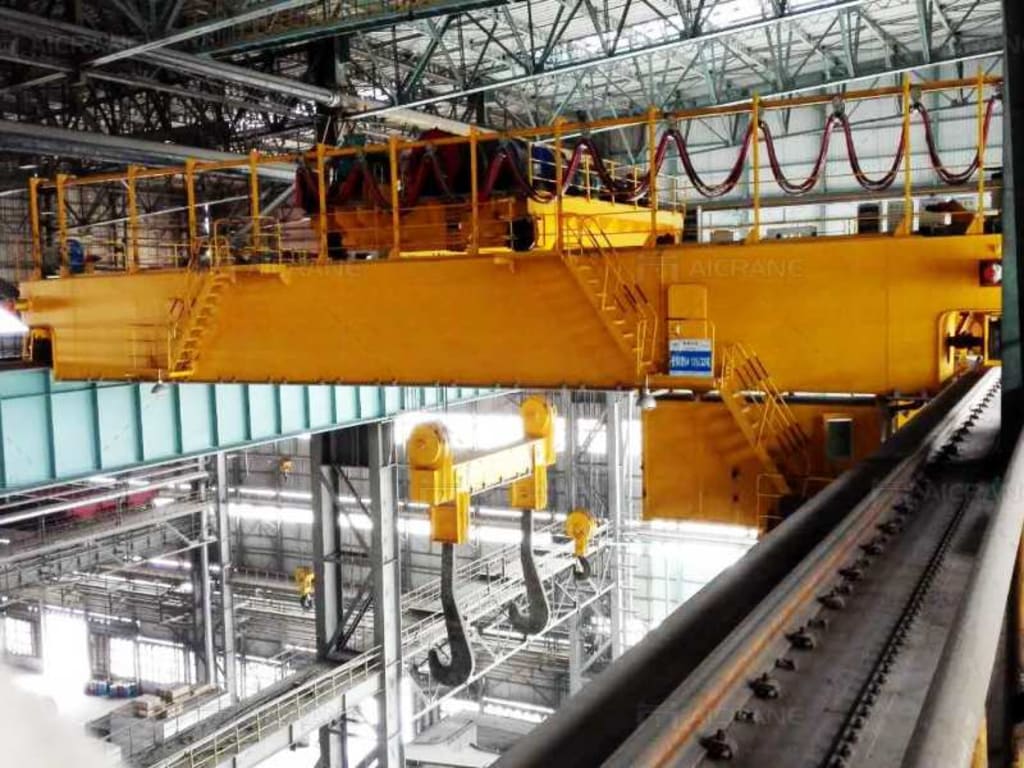
Overhead cranes are essential in industries that require the movement of extremely heavy loads with precision and safety. A 100 ton overhead crane, due to its immense capacity, plays a critical role in industries such as steel production, shipbuilding, aerospace, and heavy manufacturing. These cranes are engineered to lift and transport massive loads, often with complex shapes and varying weights. Advanced load handling techniques are crucial to ensure efficient, safe, and precise operations. This article explores the latest methods and technologies employed in the handling of loads by 100 ton overhead cranes, focusing on safety, efficiency, and technological advancements.
Understanding Load Handling in 100 Ton Overhead Cranes
Load handling in 100 ton overhead cranes involves lifting, transporting, and placing heavy loads with great care. The complexity of these operations is increased by the size, weight, and nature of the materials being handled. Advanced load handling techniques are necessary to overcome challenges such as load instability, precision placement, and the risk of equipment failure under heavy stress. These techniques ensure that the crane operates within its safe working limits while maximizing efficiency.
Advanced Hoisting Mechanisms
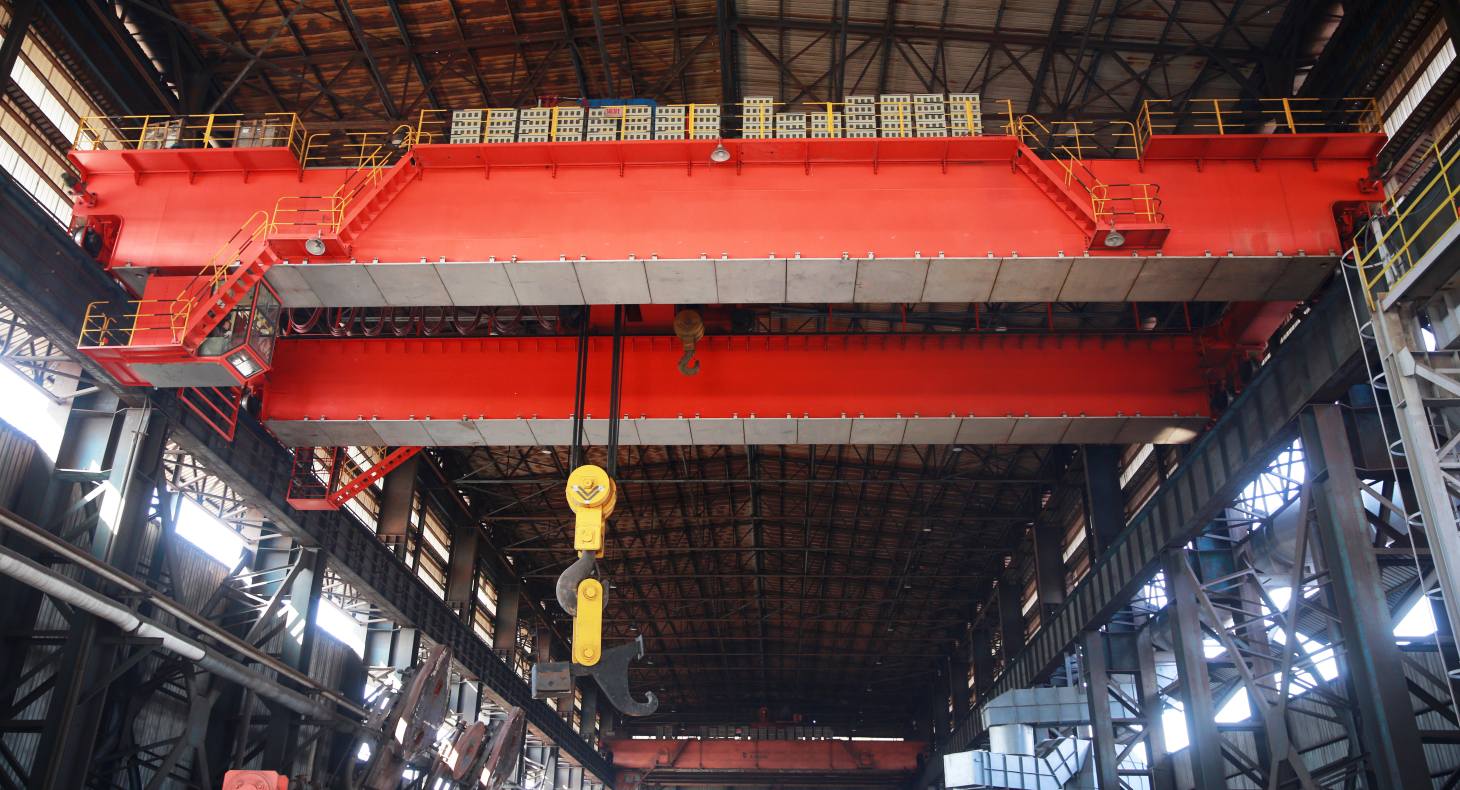
One of the primary components of load handling in a 100 ton overhead crane is the hoisting mechanism. This system is responsible for lifting and lowering loads, and its efficiency and reliability are paramount. Advanced hoisting mechanisms incorporate several technologies to enhance performance.
1. Variable Frequency Drives (VFDs): VFDs are commonly used in modern cranes to control the speed of the hoisting motor. By allowing precise control over the lifting and lowering speeds, VFDs enable smooth operation, reducing the risk of load sway and improving positioning accuracy. This is particularly important when handling delicate or oversized loads that require careful maneuvering. Additionally, VFDs help reduce mechanical stress on the crane's components, extending the lifespan of the equipment.
2. Dual Hoist Systems: In some applications, a single hoist may not provide the necessary control or capacity. Dual hoist systems, where two hoists are used in tandem, can significantly improve load handling flexibility. This setup allows for better distribution of the load, reducing the stress on each hoist and enhancing safety. Dual hoists are particularly useful in applications where the load's center of gravity is uneven or when precision placement is required.
3. Synchronized Hoisting: For extremely large or irregularly shaped loads, synchronized hoisting is an advanced technique that ensures both hoists operate in perfect harmony. This prevents uneven lifting, which could cause load imbalance and potential safety hazards. Synchronized hoisting is achieved through advanced control systems that monitor and adjust the speed and position of each hoist in real-time.
Load Stabilization Techniques
Load stability is a critical factor in the safe operation of a 100 ton overhead crane. Unstable loads can lead to accidents, equipment damage, and operational downtime. Advanced load stabilization techniques have been developed to address these challenges.
1. Anti-Sway Systems: Load sway, caused by the crane's movements or external factors like wind, can be dangerous and lead to imprecise load placement. Anti-sway systems use sensors and control algorithms to counteract the sway by adjusting the crane's movements. These systems allow the crane to stop or move the load with minimal oscillation, ensuring that the load remains stable throughout the operation.
2. Load Moment Indicators (LMIs): LMIs are safety devices that monitor the crane's load and provide real-time feedback on its stability. They measure the load's weight, angle, and position relative to the crane's boom or bridge, and they alert the operator if the load is approaching unsafe limits. LMIs are essential in preventing overload conditions that could compromise the crane's structural integrity.
3. Automated Load Balancing: Advanced electric overhead cranes are equipped with automated load balancing systems that detect uneven load distribution and make real-time adjustments to balance the load. This is particularly important when handling loads with shifting centers of gravity, such as liquid-filled containers or irregularly shaped machinery. Automated load balancing minimizes the risk of tipping or dropping the load, enhancing overall safety.
Precision Placement and Positioning
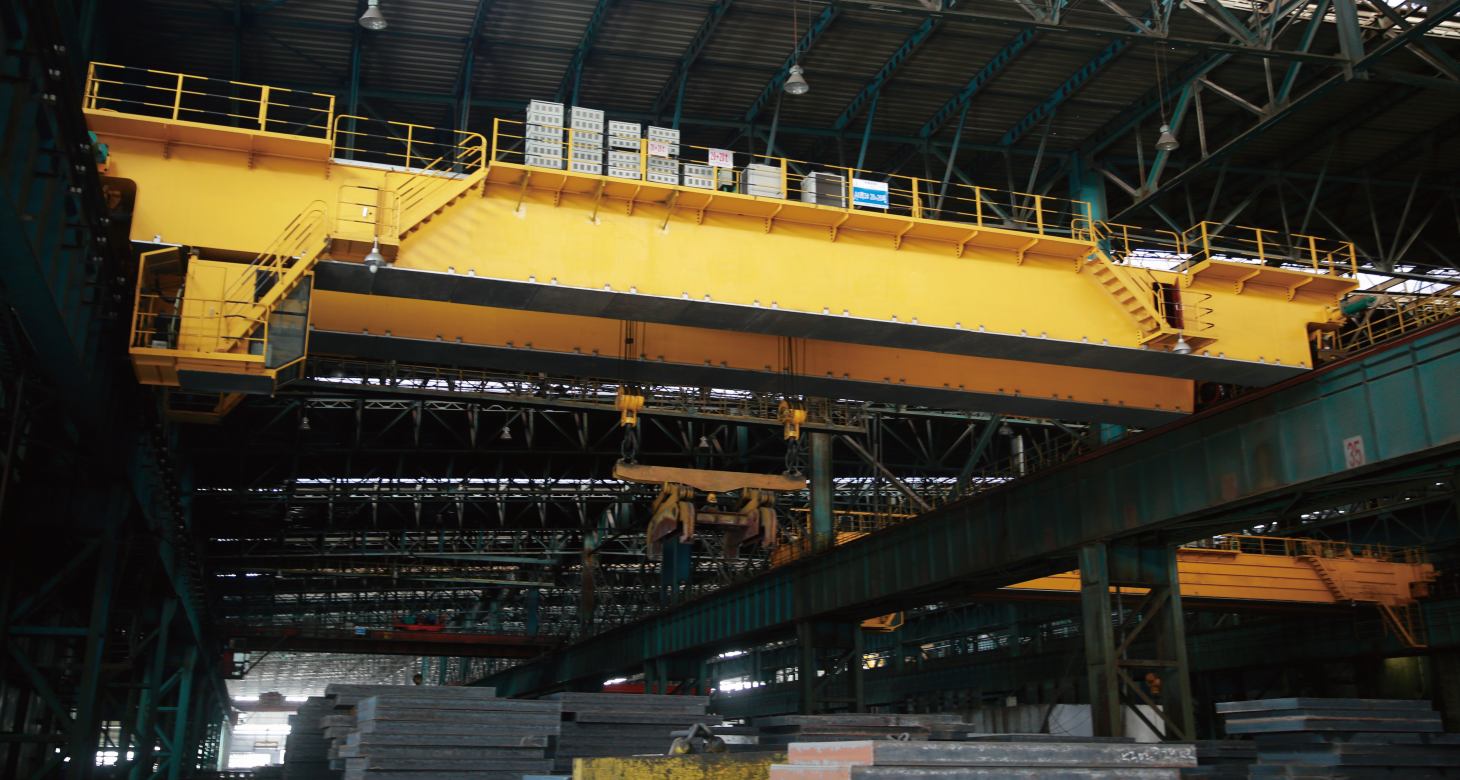
Precision placement of loads is a crucial aspect of load handling in 100 ton overhead cranes, particularly in industries where exact positioning is required, such as in assembly operations or when working with large components.
1. Laser-Guided Systems: Laser-guided systems are increasingly used to enhance the precision of load placement. These systems project a laser beam to mark the exact position where the load should be placed. The crane's control system then adjusts the load's position based on the laser's feedback, ensuring accurate placement. Laser-guided systems are particularly useful in environments where manual positioning would be challenging or time-consuming.
2. Remote Control and Automation: Remote control systems allow operators to control the crane from a safe distance, providing a better vantage point for positioning the load. Automation, on the other hand, enables the crane to perform complex movements and placements autonomously, guided by pre-programmed instructions and sensor data. These technologies reduce the likelihood of human error and improve the precision of load handling operations.
3. Smart Cranes with AI Integration: The integration of artificial intelligence (AI) in overhead cranes is an emerging trend that holds great promise for precision load handling. AI-powered cranes can analyze data from sensors, cameras, and other inputs to make real-time decisions about load handling. For instance, an AI system could predict the best approach to lifting a load based on its shape, weight distribution, and the surrounding environment. This level of intelligence allows for unprecedented precision and efficiency in load handling operations.
Safety Enhancements in Load Handling
Safety is paramount in the operation of a 100 ton overhead crane, given the potential risks associated with handling such massive loads. Advanced load handling techniques contribute to enhanced safety in several ways.
1. Redundant Safety Systems: Modern cranes are equipped with redundant safety systems that provide backup in case of primary system failure. For example, if the primary hoist fails, a secondary hoist can take over to prevent the load from dropping. These systems ensure that operations can continue safely even in the event of a malfunction.
2. Operator Training and Simulation: Advanced training programs, including virtual reality (VR) simulations, are used to train crane operators in safe load handling techniques. These simulations allow operators to practice handling loads in a variety of scenarios, improving their skills and preparing them for real-world operations. Ongoing training is essential to ensure that operators are familiar with the latest technologies and safety protocols.
3. Real-Time Monitoring and Alerts: Real-time monitoring systems track the crane's operations and provide alerts if any parameters deviate from safe limits. These systems can monitor factors such as load weight, hoist speed, and environmental conditions, providing operators with the information they need to make informed decisions. In some cases, the system can automatically take corrective action, such as slowing down the crane or adjusting the load's position, to maintain safety.
Conclusion
Advanced load handling techniques are essential for the safe, efficient, and precise operation of 100 ton overhead cranes. By incorporating technologies such as VFDs, anti-sway systems, laser-guided placement, and AI integration, industries can optimize their crane operations, reduce risks, and improve overall productivity. As the demand for heavy lifting continues to grow in various sectors, the adoption of these advanced techniques will play a crucial role in meeting the challenges of modern industrial operations while ensuring the highest standards of safety and efficiency.
About the Creator
Aicrane Group
Aicrane is a professional fabrication and trade integration enterprise in Overhead Crane, Gantry Crane, Rubber Tire Gantry Crane, Boat Lift, Steel Structure Workshop, Construction Winch, Marine Winch,etc.
Enjoyed the story? Support the Creator.
Subscribe for free to receive all their stories in your feed.
Comments