
7 Shocking Facts About Metastasis You Need to Know
Facts About Metastasis

When it comes to cancer, the word “metastasis” is often met with fear and uncertainty. It's not just a medical term—it's a turning point. Once cancer spreads beyond its original location, treatment becomes more complex and outcomes can shift dramatically. But what exactly is metastasis? And why is it so dangerous? In this blog, we uncover seven shocking facts about metastasis that everyone should understand.
Metastasis Is Not Just a Side Effect of Cancer
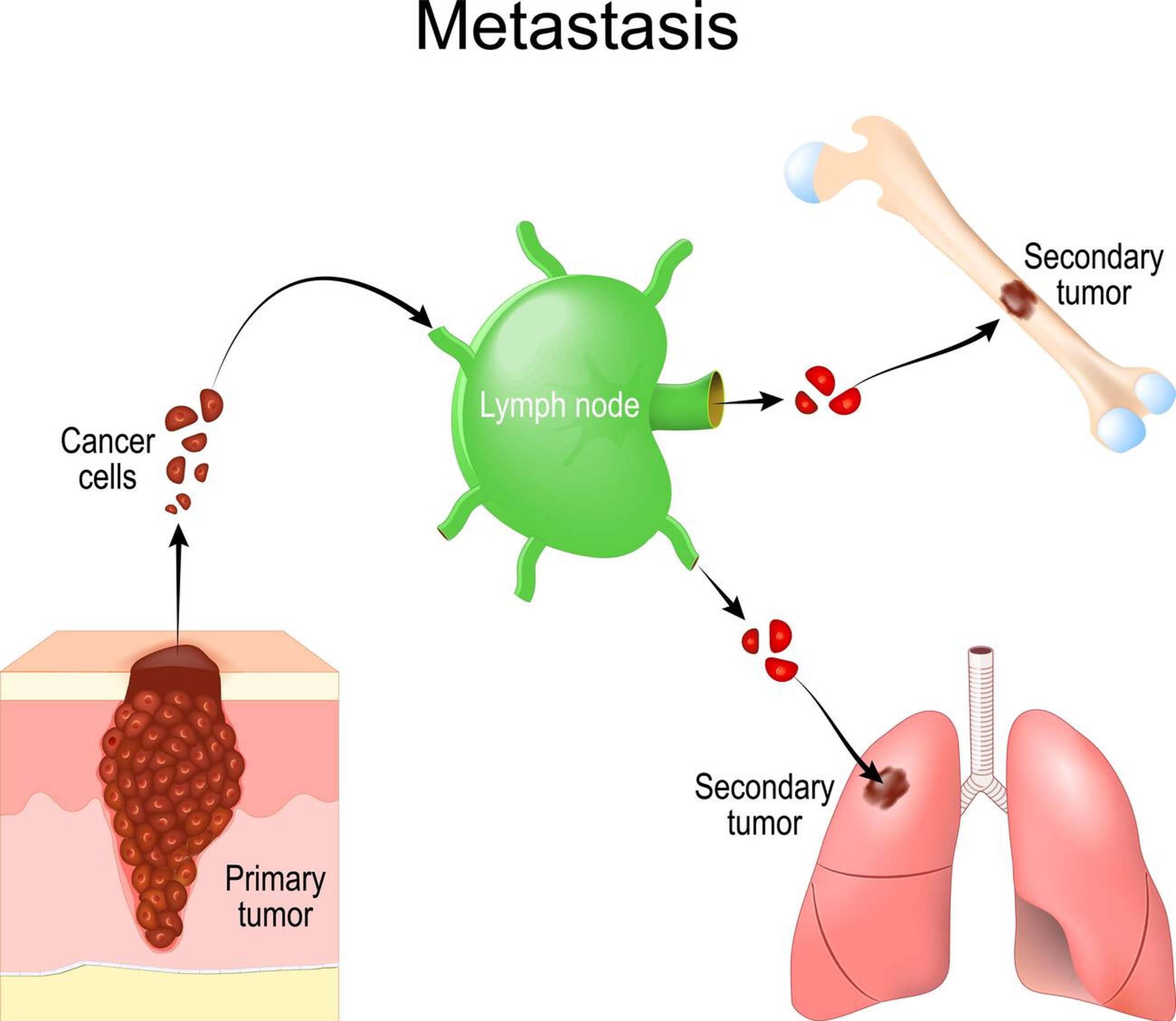
Many people believe that metastasis is simply what happens when cancer gets worse. However, the truth is far more intricate. Cancer cells split out from the initial tumor and travel via the blood or lymphatic system to form new tumors in the complex and well-organized process of it and other parts of the body. This isn't random—it’s a calculated survival mechanism of rogue cells that defy normal biological controls.
It Can Happen Without Any Noticeable Symptoms
One of the most alarming aspects of metastasis is how silently it can occur. Patients may feel fine, even after successful treatment for their primary cancer, only to later discover that the disease has spread. Because of its stealthiness, early identification is very challenging. Sometimes, it is found before the primary tumor is even identified, leaving doctors to play detective to trace its origin.
Some Cancers Are More Likely to Metastasize Than Others
While any cancer has the potential to spread, certain types are notorious for their aggressive metastatic behavior. Since it is so covert, early detection is very challenging. Despite being less prevalent, melanoma is especially hazardous because of how quickly cancer spreads. Understanding which cancers are more likely to metastasize helps guide screening protocols and follow-up care after initial treatment.
The Environment Matters More Than We Thought
For many years, researchers thought that cancer cells could grow wherever they ended up. However, recent research shows that cancer cells prefer specific organs—a phenomenon known as the "seed and soil" theory. For instance, whereas prostate cancer prefers the bones, breast cancer frequently spreads to the lungs, liver, brain, or bones. The microenvironment of these organs provides a fertile ground for cancer cells to grow, suggesting that treating metastases must involve targeting both the cell and its environment.
Metastasis Can Lie Dormant for Years
Perhaps one of the most unsettling truths is that metastatic cells can remain dormant for years—sometimes decades—after the primary cancer has been treated. During this time, they don’t grow or cause symptoms, making them nearly impossible to detect with current tools. When they reactivate, however, they can be especially aggressive and resistant to therapy. Scientists are now working to understand what triggers this reawakening, hoping to find ways to keep these cells asleep permanently.
Not All Metastases Are Treated the Same Way
Contrary to popular belief, treating metastatic cancer isn’t always about aggressive chemotherapy or radiation. Depending on the type of cancer and the location of the secondary tumors, treatment can vary widely. Some patients undergo targeted therapies or immunotherapies that attack specific mutations in cancer cells. Others may receive localized treatments like surgery or stereotactic radiosurgery if the metastases are limited and accessible. Personalized medicine is transforming how we approach metastasis, offering hope where there once was little.
There’s Hope on the Horizon
Despite the grim reputation of metastasis, science is making progress. Researchers are exploring innovative approaches such as liquid biopsies that detect circulating tumor cells in the blood, enabling earlier diagnosis of metastases. New drug combinations are being tested to prevent cancer cells from spreading or surviving in distant organs. Immunotherapy continues to show promise in controlling advanced cancers, and clinical trials are opening doors to groundbreaking treatments.
Conclusion
Knowledge is power, especially when facing something as formidable as metastasis. These shocking facts reveal the complexity and danger of cancer’s spread—but they also highlight the incredible strides being made in understanding and treating it. By staying informed and supporting ongoing research, we can move closer to better outcomes and, ultimately, cures. Whether you're a patient, caregiver, or simply someone interested in health, understanding it is a vital step toward empowerment in the fight against cancer.
About the Creator
Enjoyed the story? Support the Creator.
Subscribe for free to receive all their stories in your feed.
Comments