
5 Essential Warning Signs You Need New Tires
Here are some things to look for when inspecting your tires.
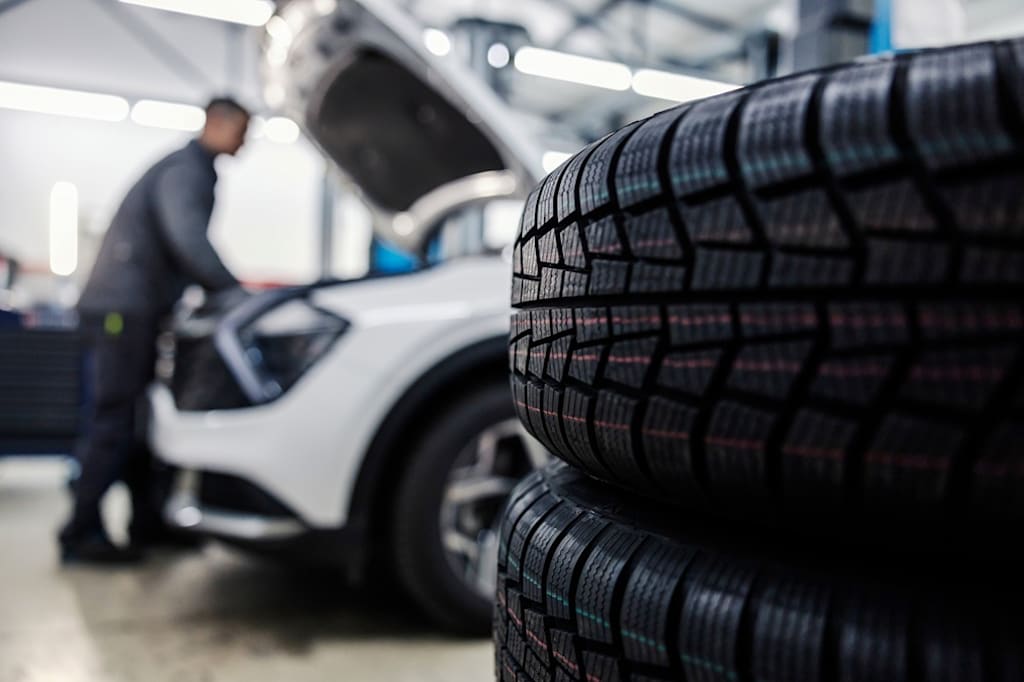
Your tires are the only part of your vehicle that touches the road, and their condition determines how well your car brakes, handles, and stays stable in bad weather. When tires begin to fail, they rarely do it all at once. Instead, small warning signs begin to appear first. Recognizing these early clues can help you replace your tires before they become a safety hazard. Here are the five most important signs your tires are nearing the end of their life.
1. Tread Depth Below Safe Limits
Tread depth is more than a measurement; it’s your first line of defense against hydroplaning and poor traction. As tread wears down, your stopping distance increases dramatically, especially on wet pavement. Once tread reaches about 2/32 inch, the tire is legally worn out, but performance begins to decline well before that point.
Drivers can check tread depth at home using a quarter or penny, but the most reliable indicator is the tire’s built‑in wear bars. These small raised strips sit inside the grooves; when the surrounding tread wears down to their level, the tire has reached its minimum safe depth. If you notice your car sliding more easily in the rain or taking longer to stop, your tread may already be too low.
2. Uneven or Abnormal Tread Wear
Not all wear is created equal. When a tire wears unevenly, it’s often a sign of a deeper issue that affects both safety and vehicle performance. You might see things like:
- Smooth wear on one edge
- A worn‑down center strip
- Scalloped or cupped dips around the tread
- Patchy areas that look scraped or feathered
Each pattern tells a story. Edge wear often points to misalignment, center wear suggests overinflation, and cupping can indicate suspension problems. Even if some tread remains, uneven wear reduces your tire’s ability to grip the road consistently. If your steering feels loose or your car drifts slightly, uneven wear may be the culprit.
3. Sidewall Damage: Cracks, Cuts, Bulges, or Blisters
Sidewall damage is one of the most urgent tire problems you can encounter. Unlike tread punctures, which can sometimes be repaired, sidewall damage compromises the tire’s structural integrity. A bulge or blister means the internal layers have separated; essentially, a weak spot waiting to burst.
Cracks, meanwhile, often resemble dry, splitting leather and indicate that the rubber is breaking down. These issues can develop from hitting potholes, rubbing curbs, or simply from age. If you see any swelling, deep cracking, or cuts in the sidewall, the tire needs to be replaced immediately.
4. Excessive Vibration or Changes in Ride Quality
A car that suddenly vibrates or shakes, especially at highway speeds, is sending you a clear warning. While rough pavement can cause temporary vibration, persistent shaking often points to a tire problem. Internal tire damage, broken belts, or severe uneven wear can all create a rhythmic thumping or a steering wheel that shimmies in your hands. Sometimes the vibration starts only at certain speeds, which is a classic sign of imbalance or internal separation.
Because vibration can come from multiple sources, the safest next step is to have your vehicle inspected at an auto mechanic repair shop. A trained technician can determine whether the issue is caused by a failing tire, a bent wheel, worn suspension components, or improper alignment. This kind of diagnostic check is quick, inexpensive, and can prevent a dangerous blowout. If the mechanic confirms that the tire is the source of the vibration, replacement is the only safe option.
5. Tire Age or Signs of Dry Rot
Even if your tread looks acceptable, tires don’t last forever. Rubber naturally hardens and cracks over time, especially in hot, dry climates. This aging process, known as dry rot, can cause the tire to lose flexibility and grip.
Manufacturers generally recommend inspecting tires annually after five years and replacing them by ten years, regardless of tread depth. Signs of aging include:
- Fine cracks along the tread or sidewall
- Faded or chalky rubber
- A stiff, brittle feel
- Slow, unexplained air loss
If your tires show any of these symptoms, they’re no longer safe.
Your tires play a critical role in keeping you safe, and ignoring early warning signs can lead to dangerous situations on the road. By watching for low tread depth, uneven wear, sidewall damage, vibration, and aging, you can catch problems before they escalate. A quick inspection today could prevent a blowout tomorrow. If you’re unsure about your tire condition, a trusted mechanic or tire specialist can give you a clear answer and peace of mind.
About the Creator
Enjoyed the story? Support the Creator.
Subscribe for free to receive all their stories in your feed.
Comments
There are no comments for this story
Be the first to respond and start the conversation.