
30 Ton Bridge Crane Load Testing and Safety Standards
Ensuring 30 ton bridge crane safety involves rigorous load testing, adherence to standards, routine maintenance, and leveraging modern technologies.

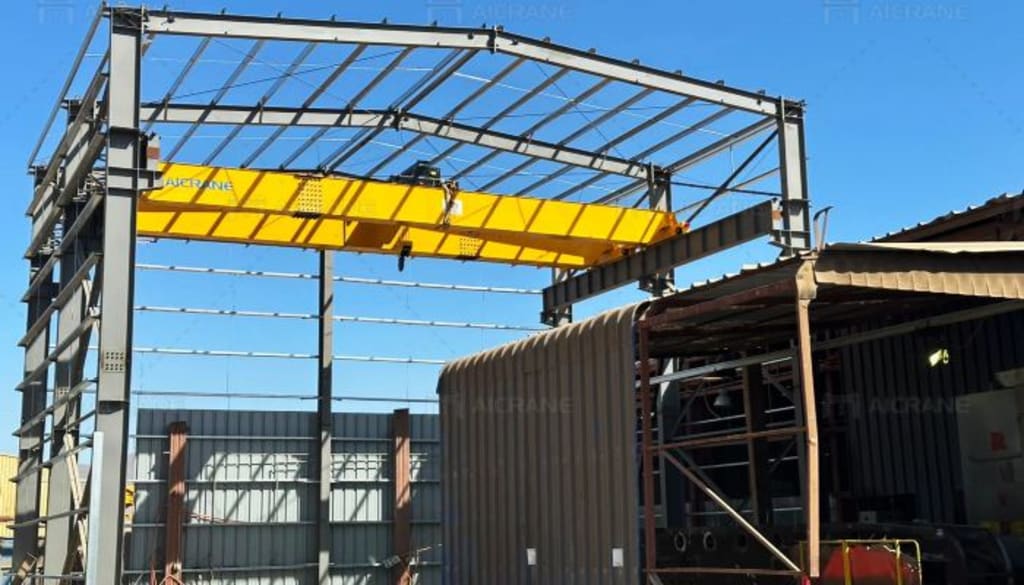
Bridge cranes are indispensable in many industries, especially for heavy lifting tasks. A 30 ton bridge crane, with its robust load-handling capability, is an essential asset in construction, manufacturing, warehousing, and logistics. However, ensuring the safe operation of such a powerful machine requires adherence to rigorous load testing protocols and safety standards. This article explores the critical aspects of load testing and safety measures for 30 ton bridge cranes to ensure efficiency, compliance, and operational security.
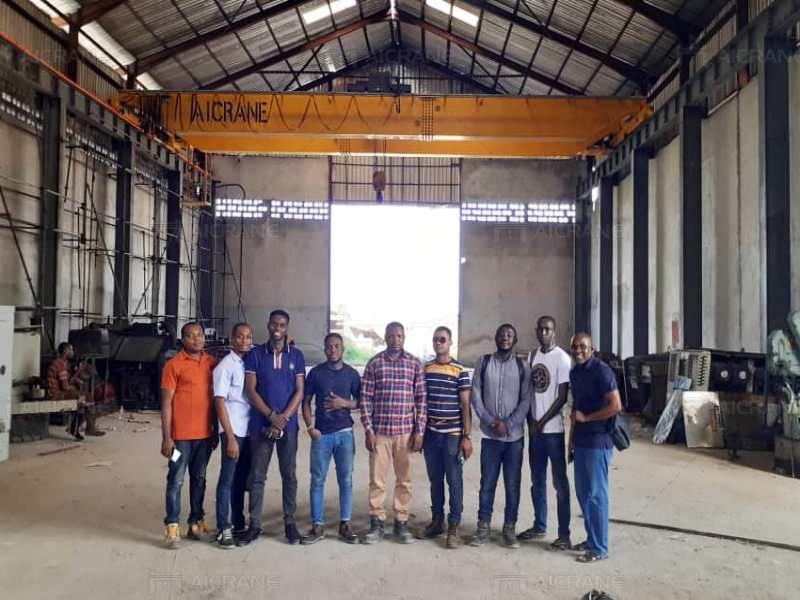
What is Load Testing for a 30 Ton Bridge Crane?
Load testing involves evaluating a crane’s performance by subjecting it to loads that simulate real-world operating conditions. For a 30 ton bridge crane, this process ensures the equipment can safely and reliably handle its rated capacity and more. Load testing typically includes:
Static Load Testing
The crane is subjected to a stationary load exceeding its rated capacity, often up to 125% of the maximum load (e.g., 37.5 tons for a 30-ton crane). This tests the crane’s structural integrity and ensures it can hold the load without deformation or failure.
Dynamic Load Testing
The crane is tested with loads up to its rated capacity (30 tons) while in motion. This includes lifting, lowering, and traversing operations to assess mechanical components such as hoists, trolleys, and bridge mechanisms.
Importance of Load Testing
Safety Assurance
Load testing identifies potential issues such as structural weaknesses, mechanical wear, or control system malfunctions before they lead to accidents.
Regulatory Compliance
Most countries and industries mandate regular load testing to comply with safety regulations, such as OSHA (Occupational Safety and Health Administration) standards in the United States or LOLER (Lifting Operations and Lifting Equipment Regulations) in the UK.
Performance Verification
Load tests verify that the crane operates within its specified performance parameters, providing confidence in its reliability and durability.
Extended Equipment Lifespan
Identifying and addressing issues early helps prevent wear and tear, ensuring a longer operational lifespan for the overhead crane system.
Key Safety Standards for 30 Ton Bridge Cranes
Adherence to established safety standards ensures the crane’s safe operation, protecting both personnel and property. Key standards include:
OSHA Regulations (USA)
OSHA sets guidelines for inspection, maintenance, and operation of cranes. Regular inspections and certifications are mandatory to ensure compliance.
ASME B30.2
This standard outlines requirements for overhead and gantry cranes, including load testing, structural inspections, and safe operational practices.
ISO 9927
This international standard focuses on the inspection and maintenance of cranes, emphasizing routine and periodic inspections.
FEM Standards (Europe)
The European Federation of Materials Handling provides comprehensive guidelines for crane design, operation, and maintenance.
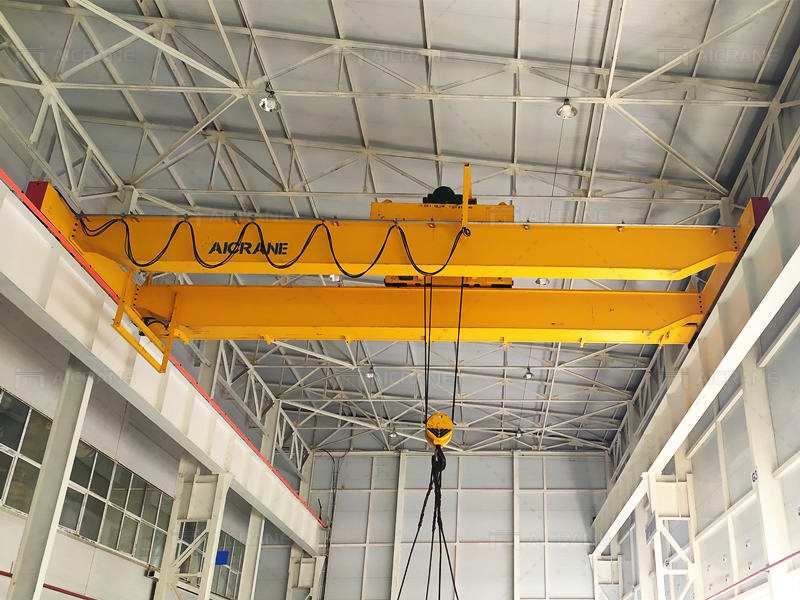
Steps for Conducting Load Testing
Pre-Test Preparation
Conduct a thorough inspection of the crane’s components, including hoists, ropes, and electrical systems.
Verify the calibration of load-testing equipment.
Ensure the test area is clear of unauthorized personnel and obstructions.
Static Load Test
Attach a test load (usually 125% of the rated capacity) to the crane hook.
Lift the load to a predetermined height and hold it stationary for a specified duration.
Monitor the crane for any signs of structural deformation, excessive deflection, or mechanical failure.
Dynamic Load Test
Use a test load equal to the crane’s rated capacity.
Perform lifting, lowering, and traversing movements to evaluate the crane’s operational capabilities.
Check for smooth operation, proper braking, and accurate load control.
Post-Test Inspection
Inspect the crane for any signs of damage or wear resulting from the test.
Document the test results and any corrective actions required.
Safety Measures During Load Testing
Qualified Personnel
Ensure the test is conducted by trained and certified professionals.
Use of Proper Equipment
Employ certified weights and load-testing equipment designed for the purpose.
Controlled Environment
Perform the test in a controlled area with no unauthorized access.
Emergency Procedures
Have a clear emergency plan in place, including procedures for handling equipment failures or accidents.
Routine Inspections and Maintenance
Regular inspections complement load testing and help maintain safety standards. Key areas of focus include:
Daily Inspections: Check hooks, ropes, and controls for visible signs of wear or damage.
Periodic Inspections: Conduct more detailed checks on structural components, electrical systems, and safety devices.
Preventive Maintenance: Follow the manufacturer’s maintenance schedule to replace worn-out parts and lubricate moving components.
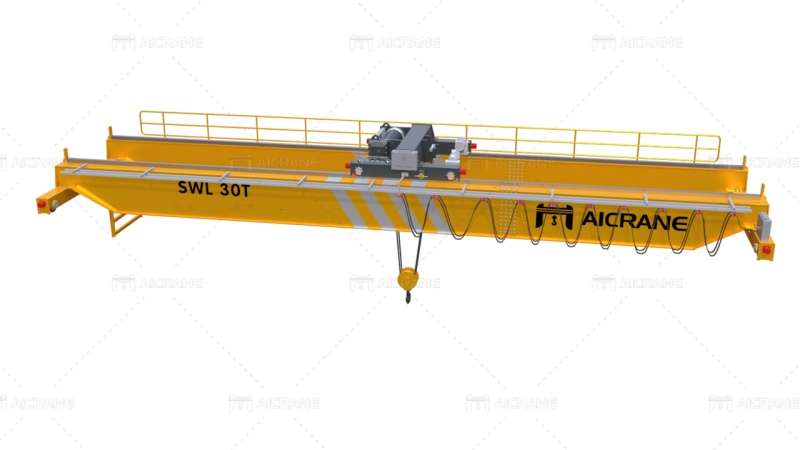
The Role of Technology in Enhancing Safety
Modern technologies play a significant role in improving the safety and efficiency of load testing. Examples include:
Load Monitoring Systems: Real-time sensors provide accurate load measurements and alerts for overload conditions.
Automated Testing Equipment: Reduces human error and ensures consistent testing procedures.
IoT Integration: Enables remote monitoring and predictive maintenance to prevent failures.
Conclusion
Load testing and adherence to safety standards are non-negotiable for the safe operation of a 30 ton bridge crane. These measures protect workers, extend equipment life, and ensure compliance with regulatory requirements. By combining rigorous testing protocols with routine maintenance and modern technologies, businesses can maximize the safety and efficiency of their crane operations.
About the Creator
Aicrane Group
Aicrane is a professional fabrication and trade integration enterprise in Overhead Crane, Gantry Crane, Rubber Tire Gantry Crane, Boat Lift, Steel Structure Workshop, Construction Winch, Marine Winch,etc.
Enjoyed the story? Support the Creator.
Subscribe for free to receive all their stories in your feed.
Comments